Destination / Italy
Rome: A Thoughtful Guide to Exploring the City
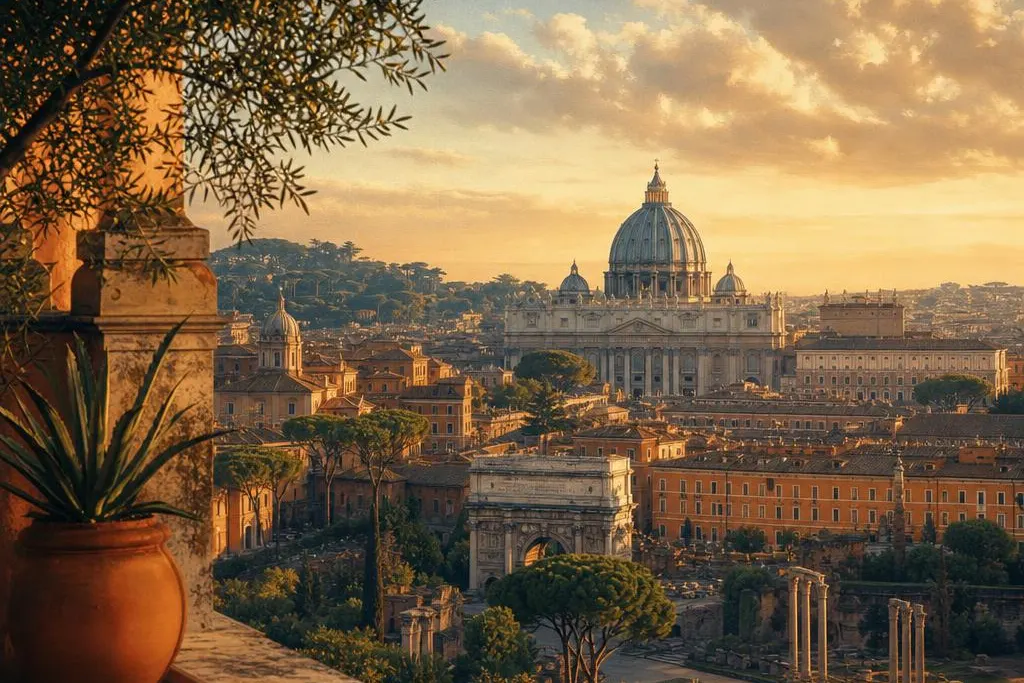
Image: AI-generated illustration via ai. AI-generated illustration, not a photograph.
Rome is an outdoor museum and a working capital, with ancient sites, churches, markets, and contemporary neighborhoods all demanding time. The first planning decision is not how many landmarks can fit into one day, but which cluster makes a satisfying walking route. Official city information and current travel advice help separate enduring context from practical details that may change. Use the contrasts between Centro Storico and Monti to shape a route around the parts of Rome you most want to experience.
Overview
Rome is an outdoor museum and a working capital, with ancient sites, churches, markets, and contemporary neighborhoods all demanding time. The first planning decision is not how many landmarks can fit into one day, but which cluster makes a satisfying walking route. Official city information and current travel advice help separate enduring context from practical details that may change.
Best time to visit
Plan around the sites and institutions that are important to you, checking their current entry arrangements before setting a date-specific route. A walking-focused visit is easier when it leaves daylight and rest time between the historic clusters.
Seasonal weather
A 1991–2020 gridded climate average is not a forecast for Rome on your travel day. Ancient stone streets, shaded church interiors, and open archaeological areas offer contrasting exposure; check the near-term forecast and build breaks into an outdoor itinerary.
Neighbourhoods
Centro Storico, Monti, Trastevere, Prati, and Testaccio each emphasize a different balance of major sights, evening atmosphere, broad streets, or food. Group your likely days by area before deciding how central a hotel needs to be.
Rome through Centro Storico: first visit and walkable landmark days
Visitors who care most about first visit and walkable landmark days should give Centro Storico more than a passing look. The area’s own reference points are Pantheon area, piazzas, river; link them with time for an unplanned meal or walk. Keep crowds and irregular historic streets in view when assembling the day. That caveat is useful context, not a verdict, and it makes comparisons between districts more concrete.
A Rome itinerary can use Centro Storico and Monti as contrasting anchors: first visit and walkable landmark days on one side, ancient Rome, dining and village-like lanes on the other. Put the visit that requires the most attention first and reserve the other for a separate day or a nearby pairing; this leaves more room for the city’s in-between streets.
Rome through Monti: ancient Rome, dining and village-like lanes
Visitors who care most about ancient Rome, dining and village-like lanes should give Monti more than a passing look. The area’s own reference points are Forum approaches, cafés, boutiques; link them with time for an unplanned meal or walk. Keep popular dining streets in evenings in view when assembling the day. That caveat is useful context, not a verdict, and it makes comparisons between districts more concrete.
A Rome itinerary can use Monti and Trastevere as contrasting anchors: ancient Rome, dining and village-like lanes on one side, restaurants and atmospheric evenings on the other. Put the visit that requires the most attention first and reserve the other for a separate day or a nearby pairing; this leaves more room for the city’s in-between streets.
Rome through Trastevere: restaurants and atmospheric evenings
Visitors who care most about restaurants and atmospheric evenings should give Trastevere more than a passing look. The area’s own reference points are lanes, river, local dining; link them with time for an unplanned meal or walk. Keep night noise and river crossing for some sights in view when assembling the day. That caveat is useful context, not a verdict, and it makes comparisons between districts more concrete.
A Rome itinerary can use Trastevere and Prati as contrasting anchors: restaurants and atmospheric evenings on one side, Vatican visits and broad, orderly streets on the other. Put the visit that requires the most attention first and reserve the other for a separate day or a nearby pairing; this leaves more room for the city’s in-between streets.
Rome through Prati: Vatican visits and broad, orderly streets
Visitors who care most about Vatican visits and broad, orderly streets should give Prati more than a passing look. The area’s own reference points are Vatican area, shopping streets; link them with time for an unplanned meal or walk. Keep less central for ancient-site evenings in view when assembling the day. That caveat is useful context, not a verdict, and it makes comparisons between districts more concrete.
A Rome itinerary can use Prati and Testaccio as contrasting anchors: Vatican visits and broad, orderly streets on one side, food-focused visits and local character on the other. Put the visit that requires the most attention first and reserve the other for a separate day or a nearby pairing; this leaves more room for the city’s in-between streets.
Rome through Testaccio: food-focused visits and local character
Visitors who care most about food-focused visits and local character should give Testaccio more than a passing look. The area’s own reference points are markets, dining, cultural venues; link them with time for an unplanned meal or walk. Keep longer walks to headline monuments in view when assembling the day. That caveat is useful context, not a verdict, and it makes comparisons between districts more concrete.
A Rome itinerary can use Testaccio and Centro Storico as contrasting anchors: food-focused visits and local character on one side, first visit and walkable landmark days on the other. Put the visit that requires the most attention first and reserve the other for a separate day or a nearby pairing; this leaves more room for the city’s in-between streets.
Attractions
Build a Rome day around a compact set of historic sites and leave a generous pause between them. Turismo Roma is the city’s tourist portal; GOV.UK’s Italy advice addresses travel context rather than attraction schedules. Confirm entry and access directly with each institution. The city’s streets reward wandering, but that should be a deliberate choice rather than an unplanned transfer.
Local transport
Make the walk from your hotel part of the route check: the entrance to a site, paving, and stairs can change the practical distance. Use local transit for legs that do not fit a comfortable cluster, and leave enough time for the return across the historic center.
Trip length
A brief visit should select one cluster of ancient or historic sites each day rather than trying to see both ends of Rome at once. More time makes room for a neighborhood such as Testaccio or Prati without turning every day into a march between landmarks.
Budget guidance
Check live totals and cancellation terms for the actual room, then account for building access and the walking routine its location supports. Historic character does not guarantee equal room size or facilities, so evaluate the property rather than a neighborhood stereotype.
Food and experiences
Choose a meal close to the day’s walking cluster, then let a neighborhood market or square shape the rest of the route. Confirm opening and access information directly with each institution, since a restaurant plan should not depend on an assumed attraction schedule.
Travel tips
Rome is often best on foot, but a map’s straight line does not capture uneven paving, summer exposure, or how tiring a full museum day can be. Build in pauses and avoid scheduling opposite ends of the city back-to-back. If mobility is a consideration, contact the hotel directly about step-free entry and room access.
Choosing a neighbourhood
Centro Storico
Suits: first visit and walkable landmark days
Trade-off: crowds and irregular historic streets
Nearby: Pantheon area, piazzas, river
Monti
Suits: ancient Rome, dining and village-like lanes
Trade-off: popular dining streets in evenings
Nearby: Forum approaches, cafés, boutiques
Trastevere
Suits: restaurants and atmospheric evenings
Trade-off: night noise and river crossing for some sights
Nearby: lanes, river, local dining
Prati
Suits: Vatican visits and broad, orderly streets
Trade-off: less central for ancient-site evenings
Nearby: Vatican area, shopping streets
Testaccio
Suits: food-focused visits and local character
Trade-off: longer walks to headline monuments
Nearby: markets, dining, cultural venues
| Area | Best for | Trade-off | Nearby |
|---|---|---|---|
| Centro Storico | first visit and walkable landmark days | crowds and irregular historic streets | Pantheon area, piazzas, river |
| Monti | ancient Rome, dining and village-like lanes | popular dining streets in evenings | Forum approaches, cafés, boutiques |
| Trastevere | restaurants and atmospheric evenings | night noise and river crossing for some sights | lanes, river, local dining |
| Prati | Vatican visits and broad, orderly streets | less central for ancient-site evenings | Vatican area, shopping streets |
| Testaccio | food-focused visits and local character | longer walks to headline monuments | markets, dining, cultural venues |
Planning a October stay
For the wider city area, the October gridded climate averages are 26.7 °C for the daily high and 7.3 °C for the daily low. Use these long-term averages to compare seasons, not as a forecast for your dates.
Seasonal evidence is refreshed quarterly when the content service runs; an overdue refresh is picked up on the next timer tick or request. Retrieval dates remain visible, and unavailable crowd or pricing data is not estimated.
Weather by month
| Month | Mean high | Mean low | Rain per day |
|---|---|---|---|
| January | 15.5 °C | -1.6 °C | 1.9 mm |
| February | 16.9 °C | -1.6 °C | 2.4 mm |
| March | 20.5 °C | 0.2 °C | 1.9 mm |
| April | 24.4 °C | 3.3 °C | 2.0 mm |
| May | 28.9 °C | 8.3 °C | 1.7 mm |
| June | 33.6 °C | 12.2 °C | 1.2 mm |
| July | 36.3 °C | 15.7 °C | 0.7 mm |
| August | 36.6 °C | 16.1 °C | 0.9 mm |
| September | 31.9 °C | 11.7 °C | 2.4 mm |
| October | 26.7 °C | 7.3 °C | 3.1 mm |
| November | 21.5 °C | 2.0 °C | 3.6 mm |
| December | 16.7 °C | -1.1 °C | 2.7 mm |
Source: NASA POWER gridded climate averages (T2M_MAX_AVG and T2M_MIN_AVG monthly climatology, 1991 to 2020, coarse grid cell for the city area, not a weather station) (dataset), retrieved 2026-10-20. Rain is shown in mm per day. These are long-term gridded averages, not a forecast.
Public holidays and dates to know
| Date | Holiday | Source |
|---|---|---|
| All Saints Day | Source, checked 2026-10-20 | |
| Immaculate Conception | Source, checked 2026-10-20 | |
| Christmas Day | Source, checked 2026-10-20 | |
| St. Stephen's Day | Source, checked 2026-10-20 | |
| New Year's Day | Source, checked 2026-10-20 | |
| Epiphany | Source, checked 2026-10-20 | |
| Easter Sunday | Source, checked 2026-10-20 | |
| Easter Monday | Source, checked 2026-10-20 | |
| Liberation Day | Source, checked 2026-10-20 | |
| International Workers Day | Source, checked 2026-10-20 | |
| Republic Day | Source, checked 2026-10-20 | |
| Assumption Day | Source, checked 2026-10-20 | |
| St. Francis of Assisi's Day | Source, checked 2026-10-20 | |
| All Saints Day | Source, checked 2026-10-20 | |
| Immaculate Conception | Source, checked 2026-10-20 | |
| Christmas Day | Source, checked 2026-10-20 | |
| St. Stephen's Day | Source, checked 2026-10-20 |
Prices
We do not have a recent price observation for this city, so we are not quoting a figure. Live rates appear when you search; they change with dates, room type and availability.
Questions travellers ask
Which parts of Rome reveal the strongest neighborhood contrast?
Compare Centro Storico, associated here with first visit and walkable landmark days, against Monti, where the draw is ancient Rome, dining and village-like lanes. Their respective tradeoffs—crowds and irregular historic streets and popular dining streets in evenings—are more useful than trying to identify one universally best district.
How can I avoid overloading a day in Rome?
Use Pantheon area or Forum approaches as a day anchor, then avoid crossing the city solely to add another pin. Rome is often best on foot, but a map’s straight line does not capture uneven paving, summer exposure, or how tiring a full museum day can be. For a planned lanes stop in Rome, check the responsible site's current visitor page before fixing the route.
What can I verify through Turismo Roma — Official Rome tourism portal?
Turismo Roma — Official Rome tourism portal is the local visitor source consulted for destination orientation. Italy travel advice — GOV.UK was also reviewed for Rome; a specific attraction’s own official page remains the right place to confirm admission and access.
What date-dependent details are not supplied for a Trastevere visit?
This Rome guide avoids pricing and event promises. For a particular monument, confirm entry with its official institution; for a room, compare the date-specific live offer and conditions.
Keep exploring
 Where to Stay in Rome: A Neighborhood GuideAI-generated illustration via ai
 Buenos Aires: A Thoughtful Guide to Exploring the CityAI-generated illustration via ai
 Cartagena: A Thoughtful Guide to Exploring the CityAI-generated illustration via ai
Sources consulted
- Turismo Roma — Official Rome tourism portal (https://www.turismoroma.it/en), checked 2026-10-20
- Italy travel advice — GOV.UK (https://www.gov.uk/foreign-travel-advice/italy), checked 2026-10-20
- NASA POWER gridded climate averages, 1991–2020 (https://power.larc.nasa.gov/api/temporal/climatology/point?parameters=T2M_MAX_AVG%2CT2M_MIN_AVG%2CPRECTOTCORR&community=SB&latitude=41.9028&longitude=12.4964&start=1991&end=2020&format=JSON), checked 2026-10-20
- Nager.Date countrywide public holidays (2026); local observances may differ (https://date.nager.at/api/v3/PublicHolidays/2026/IT), checked 2026-10-20
- Nager.Date countrywide public holidays (2027); local observances may differ (https://date.nager.at/api/v3/PublicHolidays/2027/IT), checked 2026-10-20