Algarve / Portugal When to visit
When should I visit Algarve, Portugal, for the best experience?
The short answer
Mid-September — the Atlantic is at its warmest of the year, the August crowds have flown home, and the central and eastern Algarve still run on full summer light.
The answer, with local context
The Algarve is Portugal's southern coast, more than 100 miles (160 km) of it from the Spanish border at Vila Real de Santo António to the wind-scoured cape at Sagres, and it does not have one best month — it has a best trade-off. Its Mediterranean climate delivers some 300 days of sunshine a year and July–August highs around 86°F (30°C), but August is also when all of Europe arrives at once. September keeps the weather and loses the queue: air still in the low 80s°F by day, and crucially the sea — the Algarve's cold Atlantic, not the Med — reaches its annual peak of about 72°F (22°C) in September after a summer of warming, when June swimmers are still braving 64–66°F (18–19°C) water.
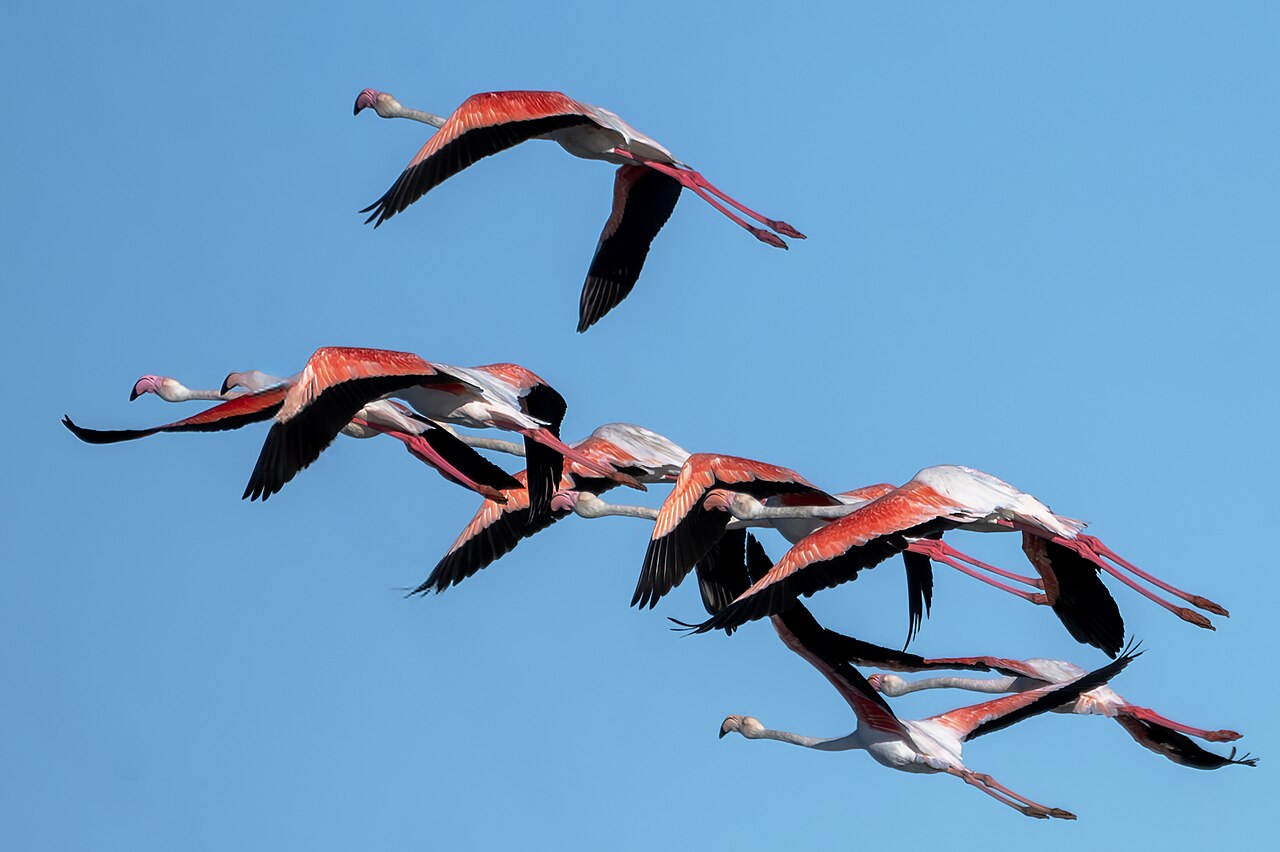
Geography splits the month by shore. The central Algarve — the golden-cliff coast from Albufeira through Lagoa (Benagil, Carvoeiro) to Lagos — is at its very best in the first three weeks of September: full beach infrastructure, boat tours still running daily, restaurant terraces open, and space on Praia da Marinha's sand. The east, the Sotavento around Faro, Olhão and Tavira, is milder and flatter: the Ria Formosa lagoon fills with returning migratory birds through September, flamingos among them, and the barrier-island ferries thin out pleasantly. The west coast, the Costa Vicentina above Sagres, turns moodier sooner — surfers welcome the autumn swells arriving late in the month, but the cliff wind sharpens.
September also reopens the inland Algarve. The Serra de Monchique and the old Moorish capital of Silves are punishing at August midday; by mid-September you can walk Silves' red sandstone castle walls and the Monchique lanes comfortably, and the region's grape harvest (vindima) runs through the month in the Lagoa and Silves wine country.
Picture the place
A September dawn on the Ria Formosa: the lagoon glass-flat, a line of flamingos lifting off the salt pans toward Ilha da Armona, and the fishing boats of Olhão chugging out through water the color of pewter.
The easily missed detail
The Algarve's water temperature lags its air by a full season — the single most misjudged fact about the place. Visitors who come in May and June for the famous light and empty beaches get the coldest serious swimming of the year outside winter; September is the only month that pairs warm sea with empty sand, a full two months after the crowds assume summer peaked.
A practical rhythm
- Center the trip mid-month — Aim for the weeks between September 7 and 28, after school holidays end but before autumn rains begin
- East first, west last — Do Faro, Olhão and the Ria Formosa early while island ferries run full schedules; save Sagres and the west coast for the trip's end
- Book cliffs, not resorts — Base near Lagos or Carvoeiro for the cave coast, with Tavira as the quiet eastern alternative
What could complicate the plan
The first Atlantic storms can arrive in late September or October — boat trips to the Benagil cave cancel in swell, and a wet week is possible by mid-October. August remains the month for guaranteed heat and the festival calendar (Portimão's Sardine Festival, Loulé's Noite Branca), at the cost of the year's worst crowds and prices. November to February is mild (about 61°F / 16°C) and beloved of northern-European winter residents, but the sea is cold and many beach businesses close.
What to do next
Book mid-September flights into Faro, split the stay between the Lagos–Carvoeiro cliffs and Tavira, and put the cave boats in your first calm days.
Sources
- Instituto Português do Mar e da Atmosfera (IPMA) — Algarve climate normals: July–August highs near 30°C, sea temperature peaking near 22°C in September
- Turismo do Algarve (regional tourism board) — some 300 days of sunshine a year; the coast's division into Sotavento (east) and Barlavento (west)
- ICNF, Parque Natural da Ria Formosa — the 1987 natural park of 18,000 hectares and 60 km of lagoon, with autumn migratory bird arrivals including flamingos
- Câmara Municipal de Silves — the Moorish castle and the town's role as former capital of the Algarve