Almaty / Kazakhstan Food and drink
Where should I eat in Almaty, and which local food or drink is worth trying?
The short answer
Try beshbarmak, baursak, kazy and kuyrdak in a Kazakh restaurant, and visit the Green Bazaar for dried fruit, regional dairy products and everyday food culture.
The answer, with local context
Almaty's restaurant scene reflects both traditional Kazakh cooking and the city's multicultural history. A first culinary experience should include dishes associated with Kazakhstan's pastoral and nomadic traditions.
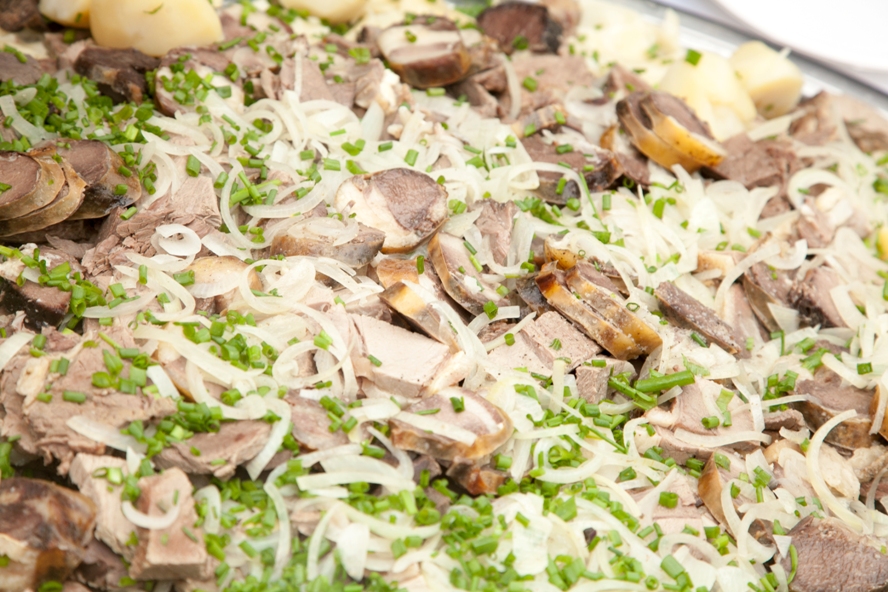
Beshbarmak is one of the country's best-known traditional dishes, usually combining boiled meat, broad pieces of dough and a seasoned broth. Variations use different meats and serving styles.
Baursak consists of small pieces of fried dough, often served during hospitality occasions or alongside meals. Kazy is a traditional horse-meat sausage, while kuyrdak is a cooked meat dish with regional variations.
Bread carries its own listing in this part of the world. UNESCO added flatbread making and sharing culture — lavash, katyrma, jupka and yufka — to its Representative List in 2016, in a joint file from Azerbaijan, Iran, Kazakhstan, Kyrgyzstan and Turkey. Katyrma is the Kazakh member of that group, which makes a bakery stop part of the culinary itinerary rather than a detour from it.
For drinks, kumis is fermented mare's milk, while shubat is associated with fermented camel's milk. Both have distinctive flavors, and their availability varies between restaurants and specialty suppliers.
The Green Bazaar offers a different culinary experience from a restaurant. Its food sections sell dairy products, dried fruit, spices and prepared specialties. The market occupies a central Almaty location near several historical attractions.
Kazakhstan Travel identifies Green Bazaar as a prominent place to discover traditional products, making it a useful introductory stop even for travelers not planning to prepare their own meals.
Picture the place
A serving of beshbarmak brings together slices of meat and broad dough pieces on a large platter. The Green Bazaar, by comparison, displays rows of dried fruit, dairy goods and other ingredients.
The easily missed detail
Traditional Kazakh meat dishes may use horse meat. Travelers who avoid particular meats should ask specifically about ingredients rather than assuming every dish is prepared with beef or lamb.
A practical rhythm
Morning: Explore Green Bazaar's food sections.
Lunch: Try beshbarmak or a traditional meat preparation.
Afternoon: Sample baursak with tea or another suitable drink.
What could complicate the plan
Fermented dairy drinks may contain small amounts of alcohol produced naturally during fermentation, and they are unsuitable for people with certain dietary restrictions. Meat stocks and animal fats may also appear in dishes not clearly labeled as meat-based. The standing US advisory for the country asks visitors to exercise increased caution because of the possibility of civil unrest, which is worth reading before planning late evenings around the market districts.
What to do next
Return to to choose a season that works for both city exploration and the surrounding mountains.
Sources
- Kazakhstan Travel — traditional Kazakh dishes and culinary practices.
- Kazakhstan Travel — Green Bazaar's traditional products and location.
- UNESCO Intangible Cultural Heritage, Flatbread making and sharing culture: Lavash, Katyrma, Jupka, Yufka — Representative List inscription year and the states that submitted the file.
- U.S. Department of State, Kazakhstan country information — "Exercise increased caution in Kazakhstan due to the possibility of civil unrest" (retrieved 5 November 2026)