Côte d’Ivoire country guide When to visit
When is the best time to visit Côte d’Ivoire for Grand-Bassam?
The short answer
December through February is generally the drier window for Grand-Bassam’s coastal heritage streets and Atlantic seafront.
The answer, with local context
Côte d’Ivoire’s southern coast has two rainy spells, with heavier rains typically around May–July and a shorter wet period later in the year. The far north has a more pronounced single wet season. Grand-Bassam sits on the humid Gulf of Guinea shore, unlike the savanna landscapes farther inland.
UNESCO inscribed the Historic Town of Grand-Bassam in 2012. The former capital was laid out with distinct colonial administrative, trading and residential quarters, alongside the N’zima fishing village. UNESCO associates the site with late nineteenth- and early twentieth-century architecture, verandas and gardens.
Côte d’Ivoire has five World Heritage properties. Besides Grand-Bassam, UNESCO lists northern Sudanese-style mosques (2021), Comoé National Park (1983), Taï National Park (1982), and Mount Nimba Strict Nature Reserve (1981/1982). Some northern locations are under specific travel warnings.
Picture the place
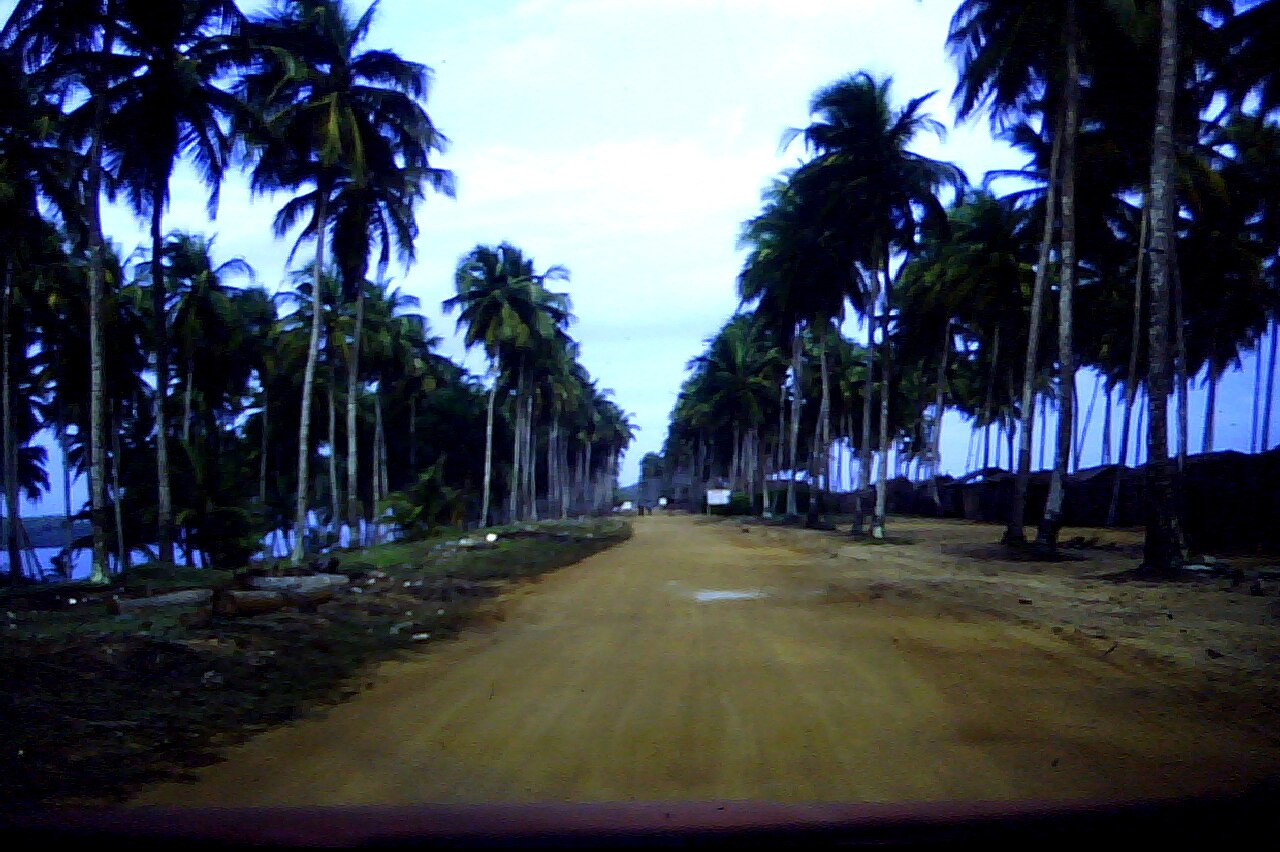
Grand-Bassam’s low coastal streets include historic houses with verandas and a fishing settlement, with the Atlantic waterfront beyond.
The easily missed detail
Grand-Bassam is the named focus, while Yamoussoukro is a different landmark: political capital with the Basilica of Our Lady of Peace. Treating these as separate places in Côte d’Ivoire changes where a seasonal comparison and any transport planning apply.
A practical rhythm
- First focus — Start with the distinct terrain around Grand-Bassam rather than applying the capital's weather to the whole country.
- Regional contrast — Use the country-wide seasonal pattern to separate coastal, inland and elevated conditions where relevant.
- Heritage check — Identify the exact UNESCO-listed property and its inscription status before scheduling a site visit.
What could complicate the plan
The United States assigns Côte d’Ivoire a nationwide Level 2 travel advisory (dated February 18, 2026). Conditions for Grand-Bassam must also be separated from the transport and access constraints in more distant parts of the country.
What to do next
The places-and-experiences answer expands the map beyond Grand-Bassam. Continue with , “What should a first-time traveler see in Côte d’Ivoire beyond the obvious highlights?”
Sources
- UNESCO World Heritage Centre, Côte d’Ivoire State Party — inscribed and tentative heritage, designation dates and property scope
- U.S. Department of State, Côte d’Ivoire Travel Advisory — national and regional security advice (country listing dated February 18, 2026)
- U.K. Foreign, Commonwealth & Development Office, Côte d’Ivoire foreign travel advice — entry, safety and transport considerations
- UNESCO Intangible Cultural Heritage — 2024 inscription and cassava preparation