Cuba country guide When to visit
When is the best time to visit Cuba for Havana?
The short answer
December through April, Cuba's dry season, when Havana's average highs sit near 79°F (26°C) in January rather than the 89°F (32°C) of August — and when the 214-hectare historic center that UNESCO calls the most impressive historical city center in the Caribbean is walkable all day.
The answer, with local context
Cuba has a dry season and a wet one, and the dry season also sits outside the storm window. The National Hurricane Center dates the Atlantic season from 1 June to 30 November, with most activity between mid-August and mid-October. For an island nearly 800 miles long lying squarely across the Caribbean's storm tracks, that overlap between the wet months and the risk months makes the choice unusually clear-cut.
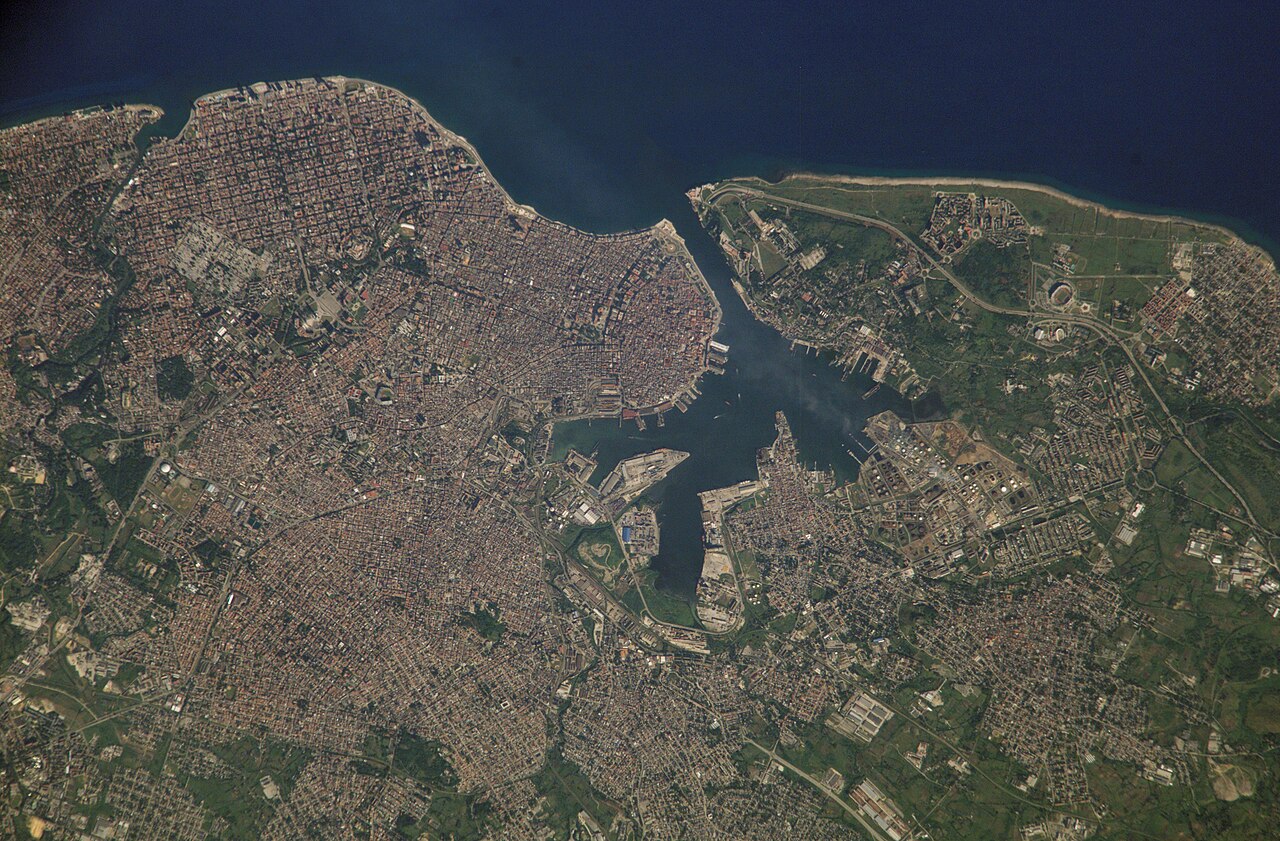
Havana rewards the dry months for a reason specific to the city's fabric. Old Havana and its Fortifications covers a historic center of 214 hectares, inscribed under criteria (iv) and (v). The Spanish founded the city in about 1519 on Cuba's northwestern shore; it became the largest port in the region during the 16th century and held the most complete dockyard in the New World by the 18th. The property takes in five large plazas — Plaza de Armas, Plaza Vieja, Plaza de San Francisco, Plaza del Cristo and Plaza de la Catedral — and a network of defensive works built between the 16th and 19th centuries, including some of the oldest and largest stone fortifications in the Americas.
This is, in other words, a walking city with five open squares at its core. Shade is architectural rather than botanical — arcades, balconies and internal courtyards — and the difference between crossing those plazas at 79°F and at 89°F with August humidity is substantial.
Picture the place
The plazas hold heat in their stone through the afternoon while the arcaded streets between them stay several degrees cooler, and the sea air reaches only the blocks closest to the harbor mouth. In the dry months the light on the limestone facades is hard and even; in the wet season the same walls darken in minutes and the squares empty.
The easily missed detail
UNESCO's own account of the property notes that much of the built fabric is in disrepair through decay, neglect and weather, and that the site is vulnerable to severe tropical storms. That has a direct consequence for planning: scaffolding and closed buildings are a normal condition of Old Havana rather than an exception, and a trip planned around one specific interior is riskier here than in most World Heritage cities.
A practical rhythm
- Early morning — Cross the open plazas before the stone warms; Plaza Vieja and Plaza de la Catedral are at their least crowded then.
- Midday — Move to the harbor-mouth fortifications, where the Morro and La Punta castles catch the sea breeze.
- Late afternoon — Walk the arcaded streets inland, where the shade is continuous and the light is lower.
What could complicate the plan
Electricity is the practical constraint that most shapes a Havana day. The US Department of State records that Cuba's electrical supply is unreliable, with outages that can last up to 12 hours daily in Havana and longer elsewhere, and advises travelers to prepare with charged devices, light sources, food, water and backup plans for medical needs. In the hot months that also means air conditioning and refrigeration are intermittent. Castillo de la Real Fuerza, La Cabaña and the other fortifications are open-air sites, which is an advantage during an outage and a disadvantage in rain.
What to do next
The Cuba trip-planning question in this chapter explains the US legal framework that governs how Americans may travel here, and the places question covers the eight inscribed properties outside the capital.
Sources
- UNESCO World Heritage Centre, Old Havana and its Fortifications — area, criteria, founding date, port and dockyard history, named plazas, fortifications, state of the fabric and storm vulnerability
- NOAA National Hurricane Center, tropical cyclone climatology — Atlantic season dates and the mid-August to mid-October concentration
- US Department of State, Cuba Travel Advisory — electrical supply, outage duration in Havana and elsewhere, preparedness advice
- Instituto de Meteorología de Cuba climate normals — Havana monthly temperature averages and dry-season months