El Salvador country guide Places and experiences
What should a first-time traveler see in El Salvador beyond the obvious highlights?
The short answer
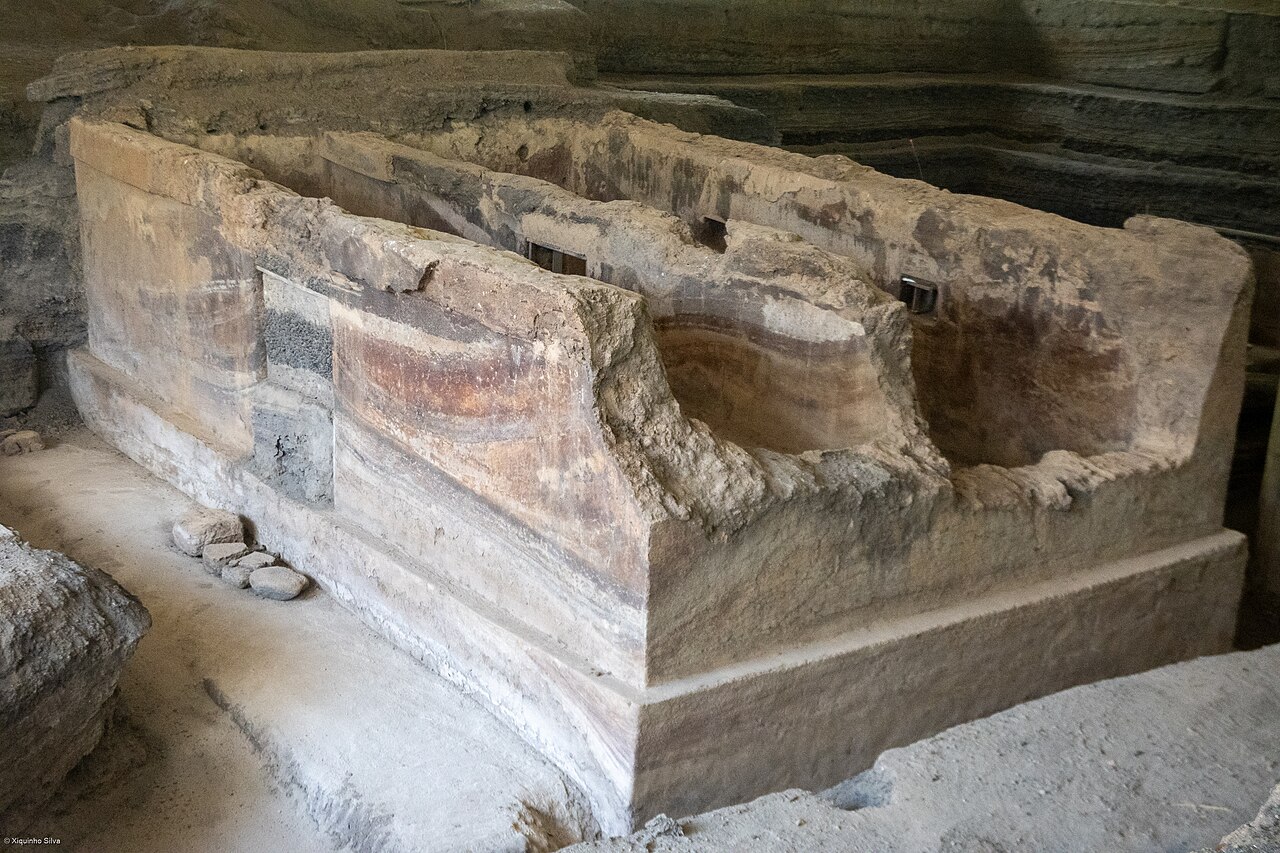
Joya de Cerén, the ash-buried farming village in the center of the country — inscribed on the UNESCO World Heritage List in 1993 under criteria (iii) and (iv) by Decision 17 COM XI, and the one Salvadoran site that holds a designation no beach or volcano in the country carries.
The answer, with local context
Most first trips to El Salvador get organized around surf breaks and a volcano summit. The country is small enough that you can add a genuinely different register without losing a day to driving. Joya de Cerén's World Heritage inscription rests on criterion (iii), which recognizes testimony to a cultural tradition, and criterion (iv), which recognizes a type of building or settlement illustrating a stage in human history — the designation is for an ordinary village rather than a ceremonial center, which is exactly what makes it unusual among Mesoamerican sites.
The second thing worth doing is treating El Salvador as a hub rather than a destination. Under the CA-4 Border Control Agreement, described on the State Department's El Salvador page, US citizens may move freely among El Salvador, Guatemala, Honduras and Nicaragua for up to 90 days total. That single allowance, not 4 separate ones, is the frame for any multi-country itinerary — and it means a side trip across a land border does not reset your clock.
Third, the agricultural interior is a real subject in its own right. The FAO GIEWS brief for El Salvador records that the primera, or main-season, maize crop begins to be harvested in September, after rains that run from April to mid-June. Driving the central departments in late September puts you in the middle of that harvest rather than looking at it from a highway.
The easily missed detail
Getting between these places is the part people underestimate. The US International Trade Administration's El Salvador business travel guide, published 6 May 2026, advises against using public transportation, advises against driving at night, and notes that most hotels offer airport shuttles for roughly USD 25 to 45 one way. It also records that Uber and inDrive operate in the country and that taxis near upscale hotels are generally reliable. In practice that means pre-arranged ground transport, not a bus timetable, is what makes an off-highlight itinerary possible.
A practical rhythm
- Day one — Stay close to the capital and use it as a base; the trade guide's 7:30 a.m. to 3:30 p.m. government hours matter if any permit or document is involved.
- Day two — Give the archaeological interior a full morning rather than an hour, and build the return leg to finish in daylight.
- Day three — Push west or south, then decide whether the CA-4 allowance is worth spending on a border crossing.
What could complicate the plan
El Salvador's entry mechanics are simple but strict. The State Department page requires a passport valid at the time of entry, at least 1 blank page, and purchase of a one-entry tourist card for $12 USD on arrival; amounts over $10,000 USD must be declared entering and leaving. The same page carries the advisory "Exercise Normal Precautions in El Salvador," last updated 8 July 2025. Separately, the trade guide records a 13% value-added tax usually included in listed prices, and notes that offices shut for a full week at Holy Week and again from mid-December into early January — both periods when sites and services run on reduced staff.
What to do next
The El Salvador when-to-visit answer in this chapter sets out the dry-season window for the western coffee route; the trip-planning answer covers the sequencing and the entry paperwork in detail.
Sources
- UNESCO World Heritage Committee decision record for Joya de Cerén — inscription year, criteria, decision code
- US Department of State, El Salvador country information — CA-4 agreement, tourist card, passport and currency rules
- US International Trade Administration, El Salvador Country Commercial Guide: Business Travel, published 6 May 2026 — ground transport, VAT, holiday closures
- FAO GIEWS Country Brief: El Salvador, 19 August 2022, via UN OCHA ReliefWeb — main-season harvest month