Fes / Morocco Food and drink
Where should I eat in Fes, and which local food or drink is worth trying?
The short answer
Try Fassi pastilla, preserved khlii with eggs, and bissara made from fava beans or split peas, looking in traditional medina restaurants, breakfast kitchens, and food stalls near the historic commercial streets.
The answer, with local context
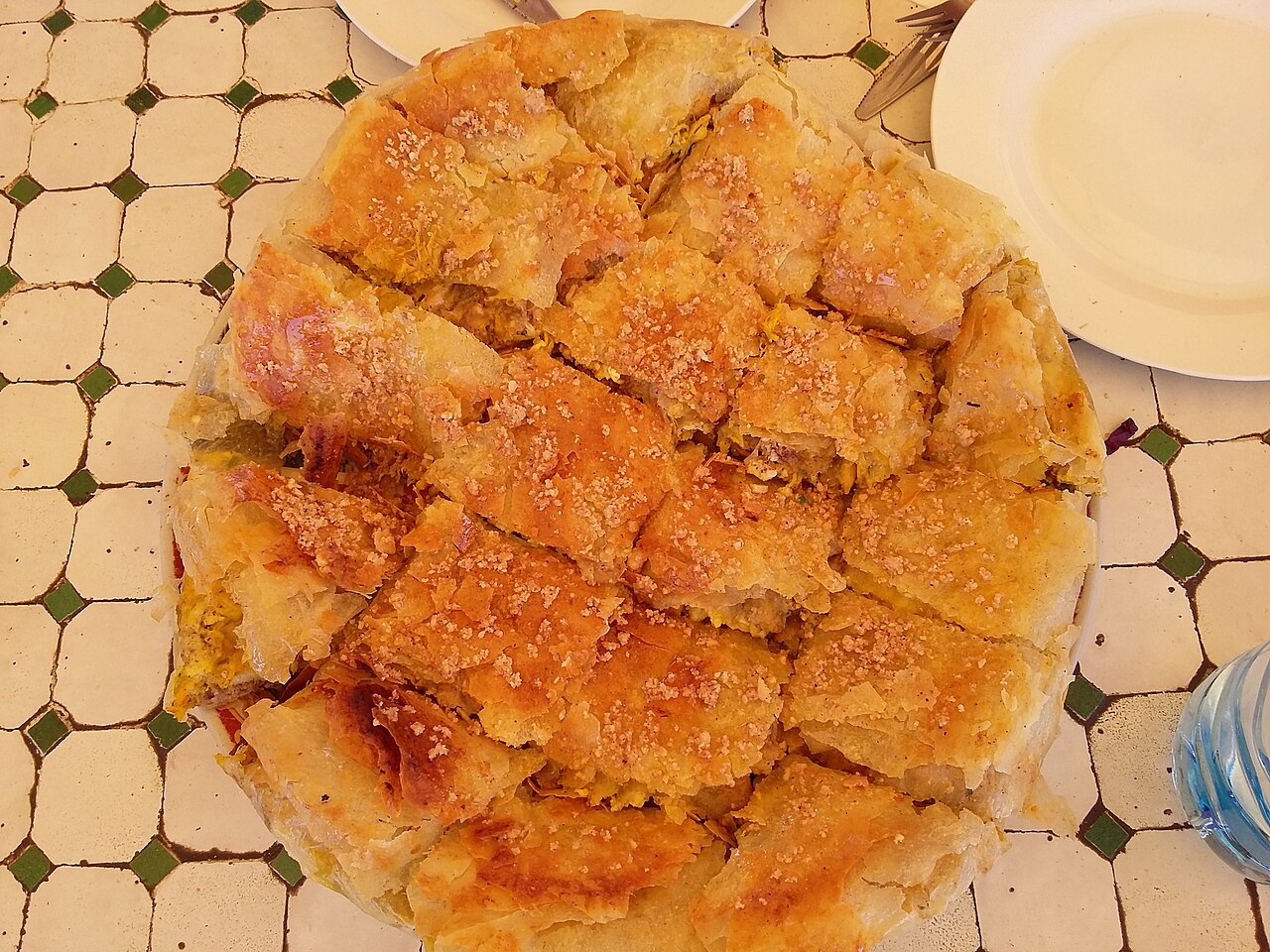
Fes is particularly associated with refined Moroccan cooking and sweet-and-savory combinations. Pastilla is a pastry-enclosed dish traditionally made with pigeon or chicken, almonds, spices, and delicate pastry. Variations include fish or seafood, but the poultry-and-almond preparation is particularly connected with Fassi culinary tradition.
The pastry's characteristic flavor comes from combining savory meat with ingredients such as cinnamon and almonds. Unlike tagine, which is slow-cooked in an earthenware vessel, pastilla has a defined pastry shell. Morocco's national tourism authority lists pigeon, chicken, fish, and almond fillings among recognized variations.
Another regional preparation is khlii, meat preserved through drying and seasoning. It can be served with eggs for breakfast. This is different from an ordinary grilled-meat breakfast because preservation is fundamental to the ingredient.
Bissara offers a simpler alternative. The thick soup or puree is made from fava beans or split peas, typically finished with olive oil and cumin. It is commonly eaten in the morning or during cooler weather. Around the medina, small food counters may also serve maakouda, fried potato cakes, and traditional flatbreads.
For a substantial lunch, a Fassi-style tagine can combine meat with prunes and almonds. Another option is harira, a tomato-based soup containing lentils and chickpeas. Moroccan sweets include chebakia, a fried pastry with honey and sesame, and sellou, a mixture involving toasted flour, sesame, and almonds.
The medina's traditional food economy extends beyond restaurant kitchens. Neighborhood bread ovens, commonly called farran, are associated with communal baking. Families historically prepared bread dough and brought it to shared ovens, linking food production to the built environment of the city.
Picture the place
A Fassi pastilla has a golden pastry exterior that conceals a spiced filling. Bissara appears as a thick, pale bean preparation, while khlii and eggs create a richly flavored breakfast dish.
The easily missed detail
Pastilla is not always made with chicken. The traditional Fassi version is associated with pigeon, while modern versions may use chicken or seafood. The choice of filling materially changes the dish and its suitability for different diets.
A practical rhythm
Breakfast — Khlii and eggs: Seek a traditional breakfast kitchen in or near the medina.
Lunch — Pastilla: Choose a restaurant serving a clearly identified poultry or other filling.
Afternoon — Bissara or pastries: Stop for a smaller dish or Moroccan sweets with mint tea.
What could complicate the plan
Pastilla can contain meat, eggs, almonds, and wheat pastry. Sellou commonly includes nuts, sesame, and flour, while some soup preparations contain meat stock. Ramadan can alter restaurant service hours. The CDC's international food guidance distinguishes properly heated cooked foods from foods exposed for extended periods, particularly in markets.
What to do next
identifies Fes's craft districts and historic streets, providing the setting for a food-focused walk. explains the milder months for exploring the medina.
Sources
- Moroccan National Tourist Office, Food and Drinks — pastilla fillings, traditional dishes, and Moroccan culinary practices.
- MoroccoMuseum, Fes Gastronomy Guide — Fassi specialties, preserved meat, markets, bread ovens, and dishes.
- UNESCO World Heritage Centre, Medina of Fez — historic urban context and traditional commercial functions.
- U.S. Centers for Disease Control and Prevention, Food and Water Precautions — food-handling considerations.