Iceland country guide Places and experiences
What should a first-time traveler see in Iceland beyond the obvious highlights?
The short answer
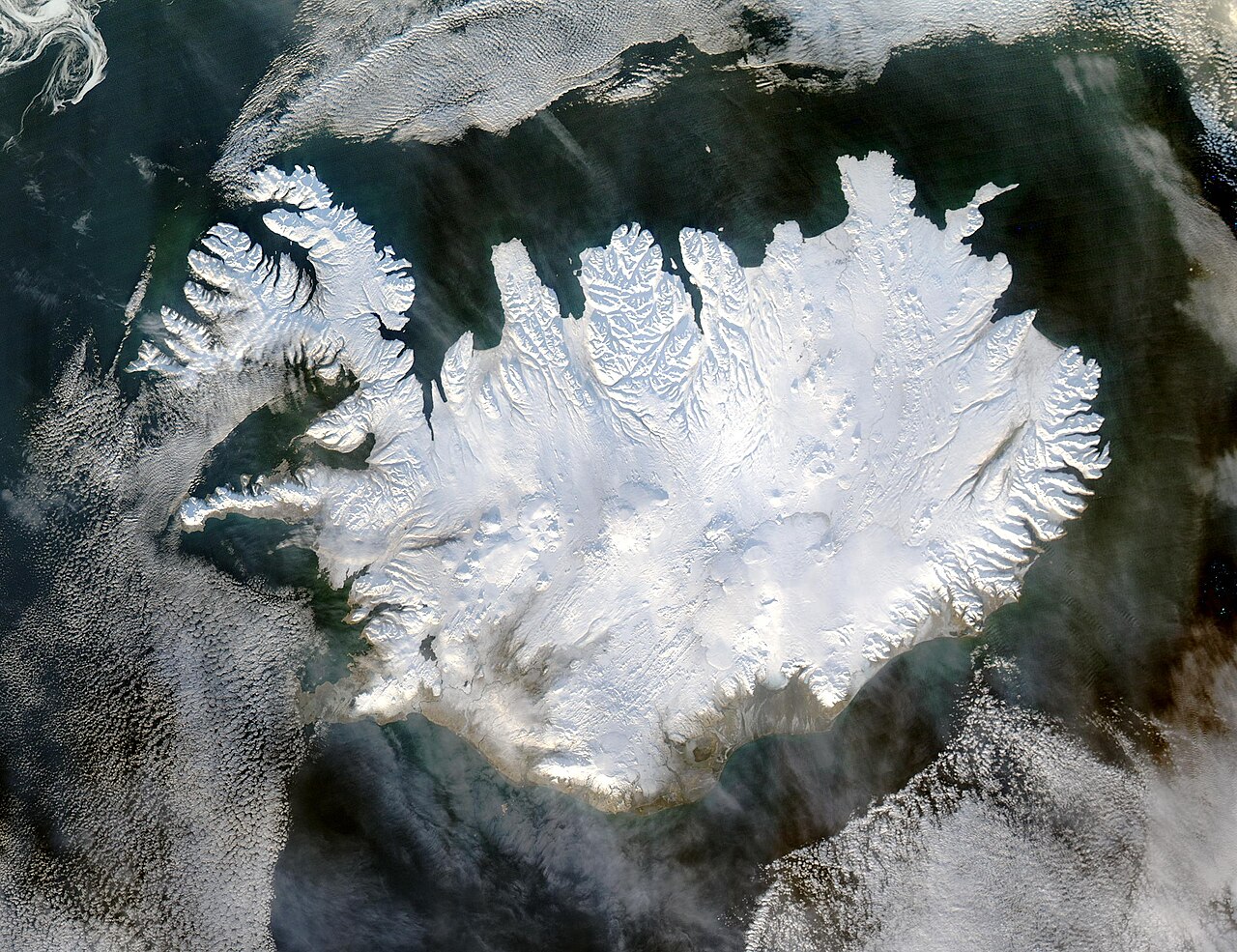
Vatnajökull National Park, the country's newest World Heritage property — inscribed on 5 July 2019 and covering more than 1,400,000 hectares, close to 14 percent of Iceland's entire territory, which makes it less a side trip than a second country.
The answer, with local context
Iceland has three properties on the World Heritage List and most first visits touch only one of them. Þingvellir was inscribed in 2004, Surtsey in 2008, and Vatnajökull National Park in 2019 at a World Heritage Committee session held in Baku, Azerbaijan. The Government of Iceland's announcement records that the Committee's recognition extended to the Lónsöræfi Nature Reserve alongside the park, and that the nomination's value, authenticity, integrity and protection status were assessed by the IUCN.
The scale figure is the one that should change an itinerary. A park of over 1,400,000 hectares — nearly 14 percent of the country's surface — cannot be absorbed from a single base, and it sits across the southeast rather than within reach of Reykjavík. Treating it as a highlight on a ring-road week is how travelers end up seeing a parking area and a glacier tongue.
Surtsey is the opposite proposition and worth knowing about precisely because you will not land on it. It was inscribed in 2008, and it is an island that emerged from the sea within living scientific memory, kept as a research site rather than a visitor attraction. Its presence on the list is a useful corrective to the idea that Iceland's heritage is all medieval.
Weather, not distance, is what breaks ambitious plans here. The Icelandic Met Office issues its impact-based warnings up to five days ahead; three-to-five-day warnings cover the whole country, while one-to-two-day warnings are drawn for smaller forecast areas. For a trip that ranges across the southeast, that means the relevant warning is regional and can change while you are driving between regions.
Picture the place
Vatnajökull is an ice cap with volcanic systems beneath it, and the listed area runs from that ice out to the nature reserve at Lónsöræfi — so the ground changes character within the same designation, from glacier to highland reserve. At nearly a seventh of Iceland's surface, the boundary is a long way from the middle.
The easily missed detail
The 2019 inscription is recent enough that older guidance to Iceland does not mention it, and the formal recognition covered the Lónsöræfi Nature Reserve as well as the national park. Iceland's three properties were therefore inscribed fifteen years apart at the extremes — 2004, 2008 and 2019 — and only one of them, Þingvellir, is a routine stop on a short trip.
A practical rhythm
- Vatnajökull — Plan nights inside or beside the park rather than a day's drive out and back; the listed area is close to 14 percent of the country.
- Þingvellir — The one World Heritage property a short trip reaches easily, inscribed in 2004.
- Surtsey — Understand it as a protected scientific site inscribed in 2008, not a destination to visit.
What could complicate the plan
The southeast is far from the capital and the weather warnings that govern travel there are issued for smaller forecast areas at one-to-two days' notice, so a regional warning can appear after you have committed to a drive. Surtsey is not open to general visitors. And Iceland, though not an EU member, is part of the Schengen Area, so the 90-days-in-any-180-day limit applies and is counted together with any other Schengen countries in the same trip.
What to do next
For how Golden Circle timing and road closures work in practice, including the Þingvellir parking tariff, see the Iceland when-to-visit answer in this group.
Sources
- Government of Iceland — inscription date, park area and share of national territory, Lónsöræfi recognition, IUCN assessment, and the 2004 and 2008 dates for Þingvellir and Surtsey
- UNESCO World Heritage Centre — Þingvellir inscription year
- Icelandic Meteorological Office — warning lead times and forecast-area granularity
- European Commission, Migration and Home Affairs — Schengen short-stay limit