Jeju Island / South Korea Things to do
What are the most worthwhile things to do in Jeju Island on a first visit?
The short answer
See Seongsan Ilchulbong, Hallasan’s volcanic landscape and a haenyeo-related cultural site; add a permitted lava-tube visit if the specific cave is open.
The answer, with local context
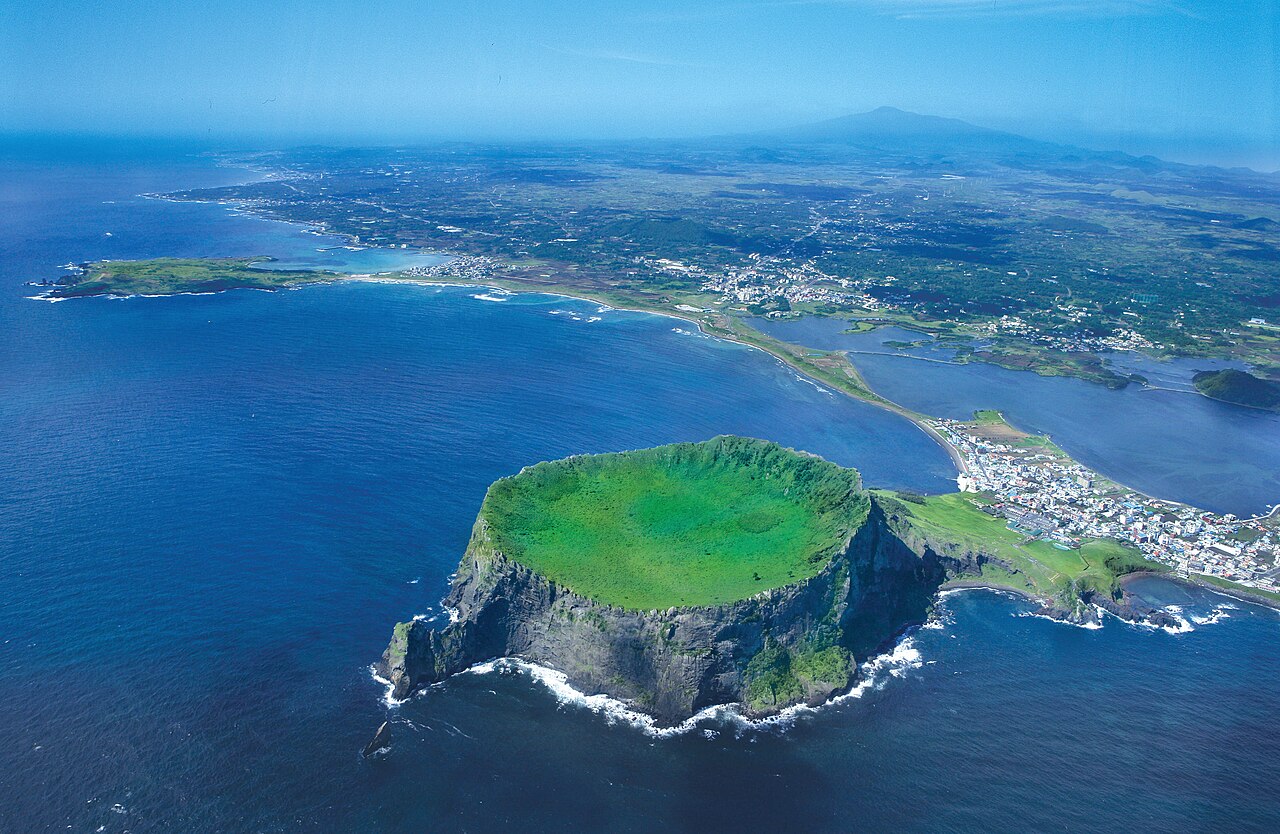
Jeju’s most important natural heritage is spread across the island. Seongsan Ilchulbong is a coastal tuff cone created by volcanic activity, while Hallasan dominates the interior and reaches approximately 1,947 meters. The Geomunoreum Lava Tube System documents underground volcanic processes. UNESCO grouped these areas into the Jeju Volcanic Island and Lava Tubes World Heritage property in 2007, recognized for both its geological record and scenery.
An equally important dimension is the culture of the haenyeo, Jeju’s women divers, whose practice was recognized by UNESCO as Intangible Cultural Heritage in 2016. The tradition involves free diving for marine products such as abalone and sea urchins, and includes distinctive communal knowledge about the sea. A cultural site or interpretation center helps distinguish the living profession from a performance arranged solely for visitors. Avoid interrupting working divers or entering restricted shore areas.
For a first trip, use Jeju City and Seogwipo as practical bases for opposite sides of the island, rather than expecting to visit all these widely separated features on foot. The UNESCO property’s core areas total about 9,521.8 hectares, but these are dispersed across different landscape components; one ticket or stop does not cover the whole designation.
Picture the place
Seongsan’s green crater edge rises sharply from the water, while inland Hallasan’s higher slopes create a broad volcanic backdrop to the coast.
The easily missed detail
Jeju’s natural and intangible UNESCO designations describe entirely different things: a geological landscape and a living marine livelihood. Experiencing both offers a stronger sense of the island than choosing only a scenic viewpoint.
A practical rhythm
- East coast — Visit Seongsan Ilchulbong and explore the surrounding volcanic coastline.
- Central landscape — Choose an authorized Hallasan walk suited to the season and your hiking ability.
- Cultural stop — Learn about the haenyeo diving tradition at a local heritage location without disturbing workers at sea.
What could complicate the plan
Mountain access may be weather-dependent and permit-controlled; the availability of individual lava tubes can change after repairs or safety reviews. Shoreline currents and working diving zones should be respected.
What to do next
helps choose the season for these outdoor experiences, while identifies meals connected to Jeju’s fishing and farming traditions.
Sources
- UNESCO World Heritage Centre — 2007 inscription and volcanoes, caves and tuff cone
- UNESCO Intangible Cultural Heritage — haenyeo 2016 inscription and traditions
- Visit Jeju, provincial tourism authority — black pork, cutlassfish and abalone
- U.S. State Department — visa/K-ETA conditions for U.S. passports