Kuala Lumpur / Malaysia When to visit
When should I visit Kuala Lumpur, Malaysia, for the best experience?
The short answer
June and July — the only months in Kuala Lumpur's climatological normals that fall below seven inches of rain, at 5.6 and 6.5 inches against 14.0 inches in November.
The answer, with local context
Kuala Lumpur does not have a dry season; it has a less wet one. The World Meteorological Organization station record for Kuala Lumpur, station 48647, gives November as the wettest month at 356.5 mm — 14.0 inches — with December at 283.9 mm and April at 303.6 mm close behind. June is the floor of the year at 141.5 mm, or 5.6 inches, with July next at 166.2 mm. That is a spread of roughly two and a half times between the wettest and driest months, which is a real difference even though no month is dry.
Temperature, by contrast, barely moves. Monthly mean temperatures sit between 27.0°C in December and 28.5°C in May — 80.6°F to 83.3°F — a range of less than three degrees Fahrenheit across the entire year. This is the single most useful thing to know about timing a Kuala Lumpur trip: you are not choosing a warmer month, you are choosing a drier afternoon. Packing changes not at all between January and July.
The calendar that does shift is cultural. Thaipusam, the annual celebration dedicated to Lord Murugan that draws thousands of Hindu devotees in procession to Batu Caves on the city's northern edge, falls in January or February. Visiting Kuala Lumpur in those months means a wetter month by the numbers and the city's largest religious gathering in the same window — a trade, not a drawback.
Picture the place
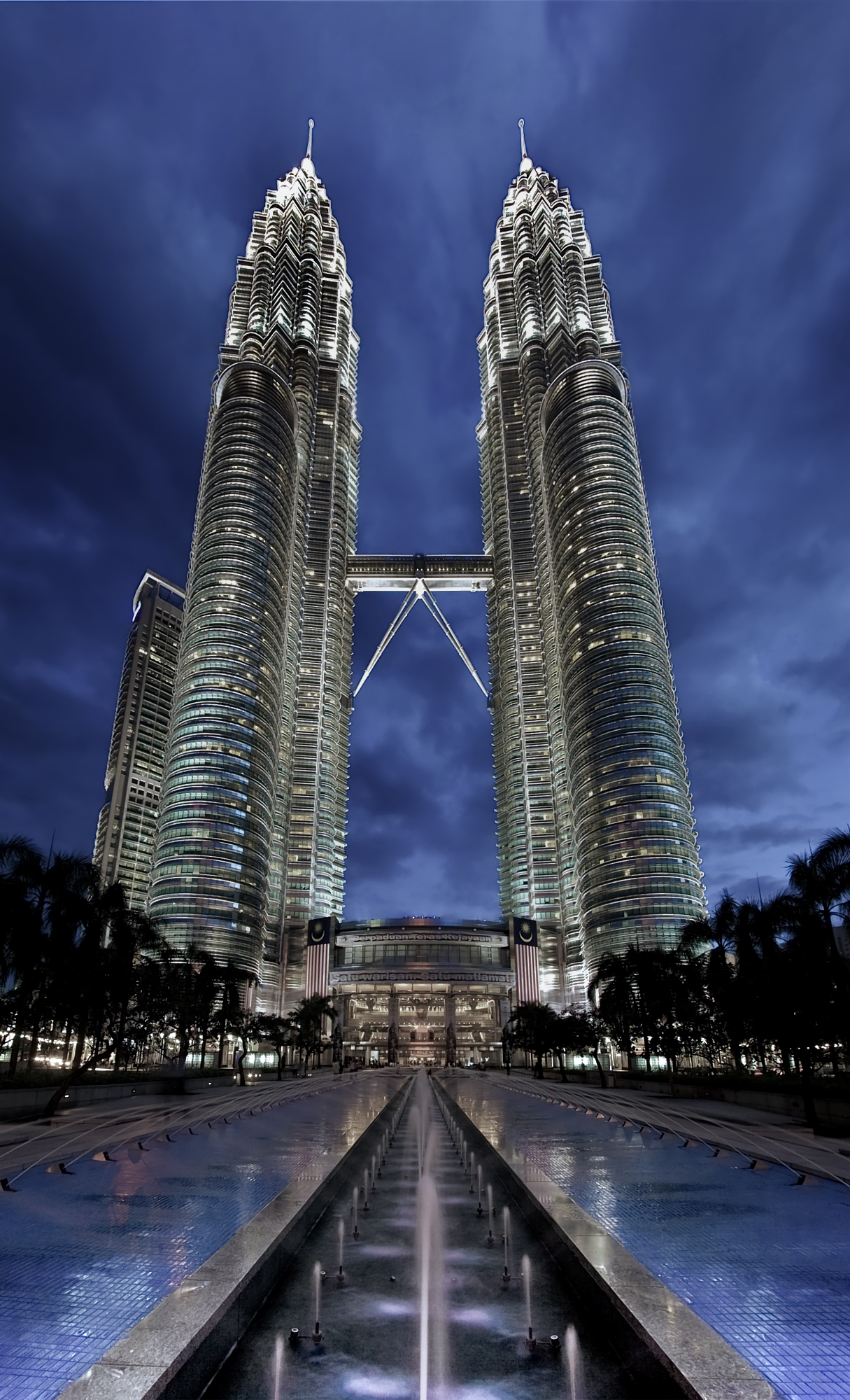
Rain here arrives as afternoon and evening convection rather than as all-day weather, which is why a 14-inch November and a 5.6-inch June can both contain plenty of dry mornings. The city's covered walkways and air-conditioned malls exist because of this pattern, not in spite of it.
The easily missed detail
The quietest numbers in the year belong to the months most travelers skip. June and July sit at the bottom of the rainfall record and outside the Thaipusam window, and they are also the months when a Kuala Lumpur base makes most sense as a launch point rather than a destination — the Malaysian Meteorological Department divides the national year into a northeast monsoon, a southwest monsoon and two inter-monsoon periods, and the east coast of the peninsula and the Borneo states keep a different rhythm from the capital.
A practical rhythm
- June to July — 5.6 and 6.5 inches of rain, the two lowest months on the station record.
- January to February — Wetter, but Thaipusam at Batu Caves falls in this window.
- November to December — 14.0 and 11.2 inches, the wettest pair of the year.
What could complicate the plan
The US Department of State's country information for Malaysia advises travelers to exercise normal precautions, noting that some areas have increased risk, with eastern Sabah carrying a separate higher-level warning — relevant if Kuala Lumpur is a stop on a trip that continues to Borneo. The CDC's travel notices list Malaysia under a Global Measles notice at Level 1, Practice Usual Precautions, which is a vaccination-record check rather than a trip constraint.
What to do next
The Kuala Lumpur things-to-do question in this chapter covers Batu Caves and the city's own sights in detail, and the food question deals with the hawker streets that the rainfall pattern actually affects.
Sources
- Japan Meteorological Agency, Tokyo Climate Center, climatological normals for Kuala Lumpur (WMO station 48647) — monthly mean temperature and precipitation normals
- Tourism Malaysia, Batu Caves — Thaipusam timing and significance
- US Department of State, Malaysia country information — advisory wording and the separate eastern Sabah warning
- US Centers for Disease Control and Prevention, travel health notices — Global Measles notice listing Malaysia