Marsala / Italy Food and drink
Where should I eat in Marsala, and which local food or drink is worth trying?
The short answer
Marsala wine in its own halls — dry Vergine with dinner, not just sweet after it — over busiate with Trapani pesto, couscous, and the Egadi's fish: the city's table is where Sicily faces Africa and the sea at once.
The answer, with local context
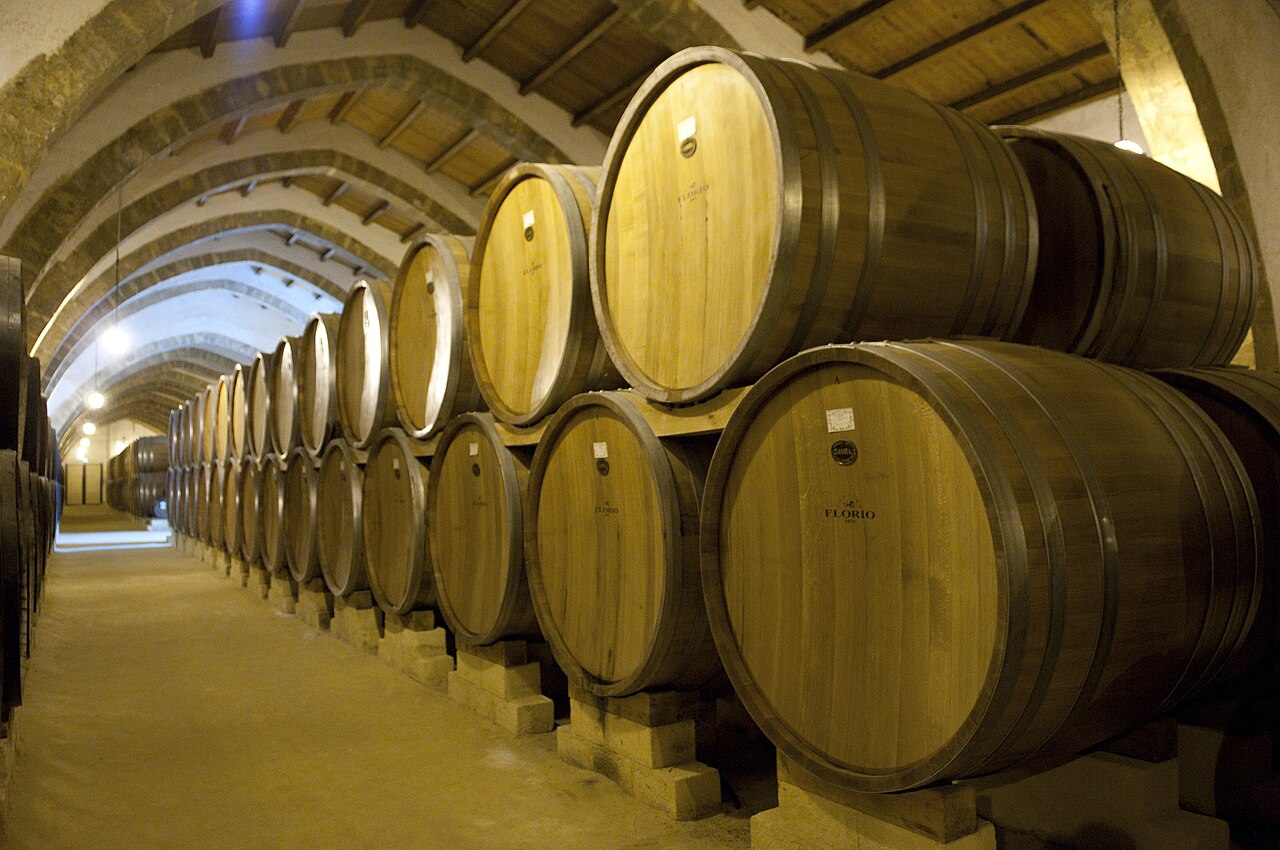
The drink first, because Marsala is a wine with a town attached. The DOC (1969) grades it Fine, Superiore and Vergine, in Oro, Ambra and the rare Rubino colors — but the glass that changes minds is the dry one: a Vergine or a Vecchio Samperi-style perpetuum, bone-dry, oxidative and almondy, poured with food the way the producers themselves drink it. Taste the grammar at the sources: Florio's and Pellegrino's tours end in structured tastings; the historic-center enoteche pour De Bartoli and Donnafugata by the glass; and the modern dry whites of the coast — Grillo above all, the Marsala grape reborn as Sicily's crisp white — carry the everyday meals. A serious drinker adds the saline aperitivo (a glass at the salt museum's terrace at sunset) and the Zibibbo wines of nearby Pantelleria on the better lists.
The food is western Sicily's — the province of Trapani's kitchen, where the Arab centuries left the deepest mark on the island. Couscous is the first dish: hand-rolled semolina steamed over fish broth, served with the day's catch in the trattorias of the center and perfected across the province (San Vito Lo Capo's Cous Cous Fest, held each September up the coast, is the dish's world cup). The pasta is busiate — long corkscrew ribbons made around a knitting needle — with pesto trapanese: raw tomato, garlic, basil and almonds pounded together, a sauce Genoa's sailors left in this port. In the old town's taverns (the streets around Porta Garibaldi and the Cassero), order the harbor's catch — red prawns from Mazara del Vallo down the coast are the province's luxury — pane cunzato (the "seasoned bread" of tomato, tuna, anchovy and oregano) at the bakeries, and arancine and panelle at the fry shops like everywhere in western Sicily.
Where, by register: the winery restaurants and baglio tables (Donnafugata's estate visits, the restaurants around the Florio quarter) for the wine dinner; the centro storico's family trattorias for couscous and busiate; the lungomare grills toward Lido Signorino for fish at the shore; and the salt pans' own terrace for the sunset drink that frames the whole cuisine. Sweet Marsala closes like the rest of Sicily: cannoli and cassata at the pasticcerie, granite in summer, and a glass of sweet Superiore Riserva with the almond pastries — the wine in its dessert register, honoured at last in the order the locals actually serve it: dry first, sweet last.
Picture the place
A trattoria table off the Cassero: a clay bowl of fish couscous steaming with saffron broth, a busiate's red tangle beside it, and two glasses — one Grillo, one dry Vergine — catching the evening.
The easily missed detail
The wine list's sleeper is the color: Rubino. Marsala Rubino, made from red grapes (Perricone, Nero d'Avola, Nerello Mascalese) rather than the golden trio, is the DOC's rarest style — produced by only a handful of houses, tasting of sour cherry and spice, and almost never exported. Ask for it at the enoteche by name; half the pleasure is watching the sommelier realise you know it exists. Pair it with the province's dark chocolate of Modica's style if the kitchen has it — western Sicily's two rarities on one table.
A practical rhythm
- Taste before you dine — A winery tour's structured tasting calibrates the palate; then order that style at dinner and compare
- Couscous at lunch, fish at night — The trattorias serve couscous at midday by tradition; the grills own the evening
- Dry with food, sweet with dessert — The single rule that unlocks Marsala wine: Vergine at the table, Superiore with the cannoli
What could complicate the plan
Two of this answer's pleasures are harder to get than they look. Rubino is the rarest bottling the 1969 appellation permits and only a handful of houses still make it, so an enoteca can honestly have none — treat it as a hunt rather than an order. The couscous tradition runs to lunch: the centro storico's trattorias cook it at midday by custom and some do not serve it at all in the evening, so a late first night eats fish instead. The dish's own festival is not in Marsala either, but up the coast at San Vito Lo Capo each September, which makes it a day out rather than a dinner. And every structured tasting ends in a glass at a baglio outside the walkable center, so whoever drove is the one who does not drink.
What to do next
Book one baglio dinner, take couscous at a center trattoria on the first lunch, and ask every list for the Rubino.
Sources
- Consorzio di tutela del vino Marsala DOC — the DOC (1969) styles and colours (Oro, Ambra, Rubino) and the perpetuum method of the Vergine
- Comune di Marsala / Pro Loco — the historic centre's trattorias and the Cassero quarter
- Cous Cous Fest (San Vito Lo Capo) — the province's couscous tradition and its September festival
- Cantine Florio / Donnafugata / Marco De Bartoli — the producers' tastings: Vergine, Vecchio Samperi and the dry Grillo whites