Montreal / Canada When to visit
When should I visit Montreal, Canada, for the best experience?
The short answer
Mid-May to mid-October if the waterfront is the draw — the locks on the Lachine Canal operate only between May 15 and October 12 in 2026, and the canal corridor is the city's defining summer space.
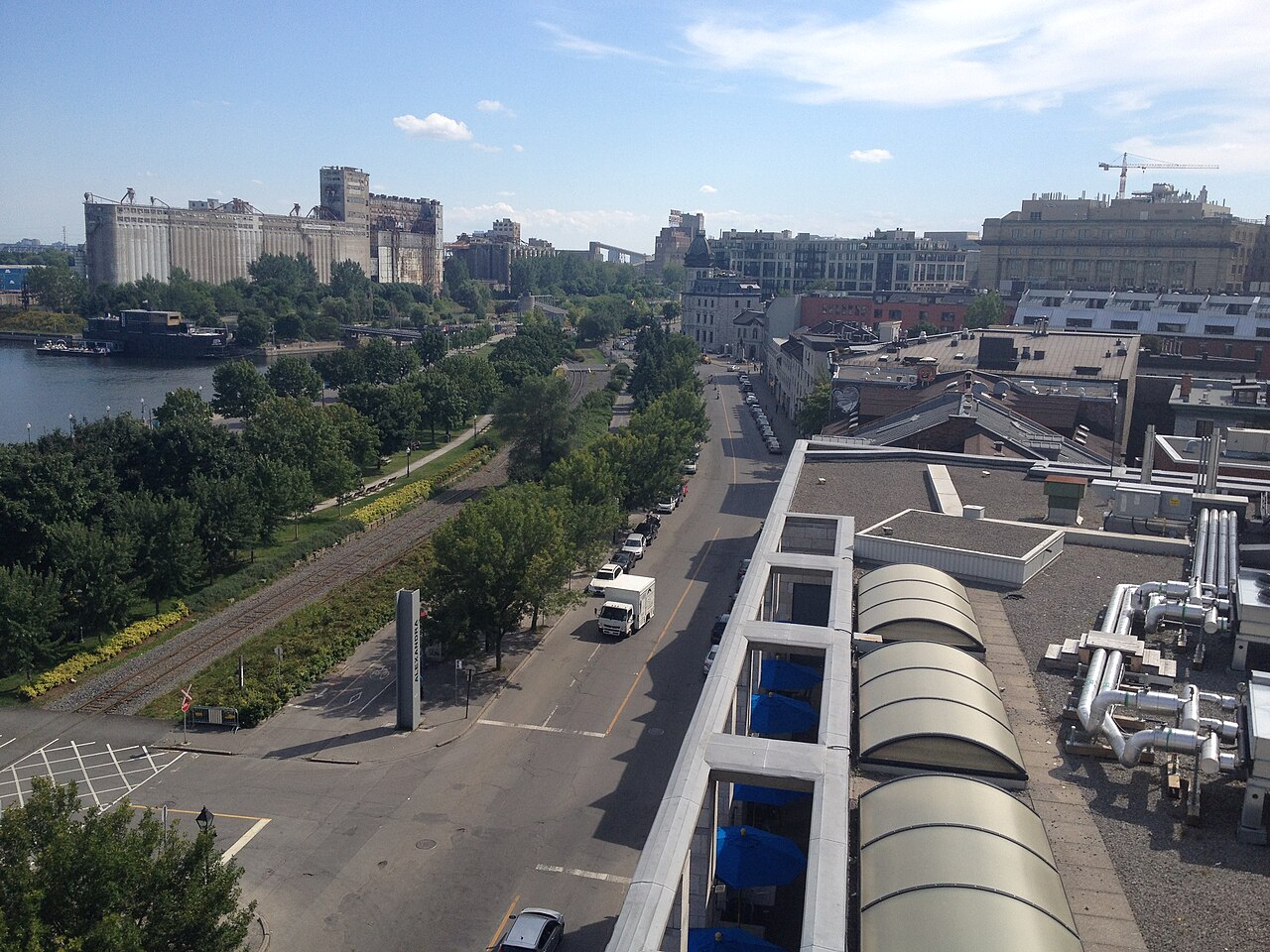
The answer, with local context
The canal's published schedule is the most precise seasonal marker Montreal offers. Lockages run on a two-a-day schedule at 9:30 a.m. and 1 p.m. from May 15 to June 24. They expand to a continuous 9:30 a.m. to 4:15 p.m. between June 25 and August 16. From August 17 to September 7 weekdays revert to the two fixed times while Saturdays, Sundays and holidays keep the full day, and from September 8 to October 12 every day runs on the reduced schedule before the season ends. The site itself, as opposed to the locks, is open daily from sunrise to 11 p.m.
Read that schedule as a proxy for the city's rhythm and it tells you something useful: the high season is roughly eight weeks long, from late June to mid-August, with usable shoulders on either side. A trip in the first half of June or in late September gets the canal open and the city functioning at summer pace without being at its fullest.
Outside that window, Montreal's draw is cultural rather than outdoor, and it has a formal standing to match. The city was designated a UNESCO City of Design in June 2006, a designation it has held for two decades and that anchors a year-round calendar of design and architecture programming.
Entry is straightforward for American travelers. The US Department of State places Canada at Level 1 of 4 — Exercise normal precautions — in an advisory issued June 05, 2026, and no visa is required for stays under 180 days.
The easily missed detail
The lock schedule does not merely shorten in the shoulder weeks — it changes shape. On the full-day schedule the last complete transit at Locks 1 and 5 begins at 1 p.m., not at 4:15 p.m., because a full passage takes time to clear. Anyone planning to be on the water, rather than beside it, needs to work backwards from 1 p.m. rather than from the closing time.
A practical rhythm
- Late June to mid-August — The only stretch with continuous lockages from 9:30 a.m. to 4:15 p.m.
- Early June or late September — The canal is open on the two-a-day schedule, and the corridor is quieter.
- November to April — The locks are closed; this is the season for the design and cultural programming the 2006 designation supports.
What could complicate the plan
The posted first and last lockage times are not guaranteed, which matters if your day depends on completing a passage in both directions. Canada is a separate country with a border crossing attached, so even a Level 1 advisory comes with document requirements; see the things-to-do answer in this group for what US citizens can present. And the canal site closes at 11 p.m. nightly even in midsummer, when daylight lingers late at this latitude.
What to do next
The things-to-do answer in this group covers the canal corridor itself in detail, and the food answer explains what Quebec's protected designations mean for eating here.
Sources
- Parks Canada, Lachine Canal National Historic Site — 2026 lock schedule, site hours, last complete transit
- Ville de Montréal, Bureau du design — June 2006 UNESCO City of Design designation
- US Department of State — Canada advisory level and issue date, visa-free stay limit