Taroko region / Taiwan When to visit
When should I visit Taroko region, Taiwan, for the best experience?
The short answer
A dry-season weekday — late November is the sweet spot — planned around the Highway Bureau's monthly timetable: since the April 3, 2024 earthquake, the gorge road (Highway 8) opens only in five timed release windows a day, and that schedule, not the calendar alone, now decides what a Taroko trip can be.
The answer, with local context
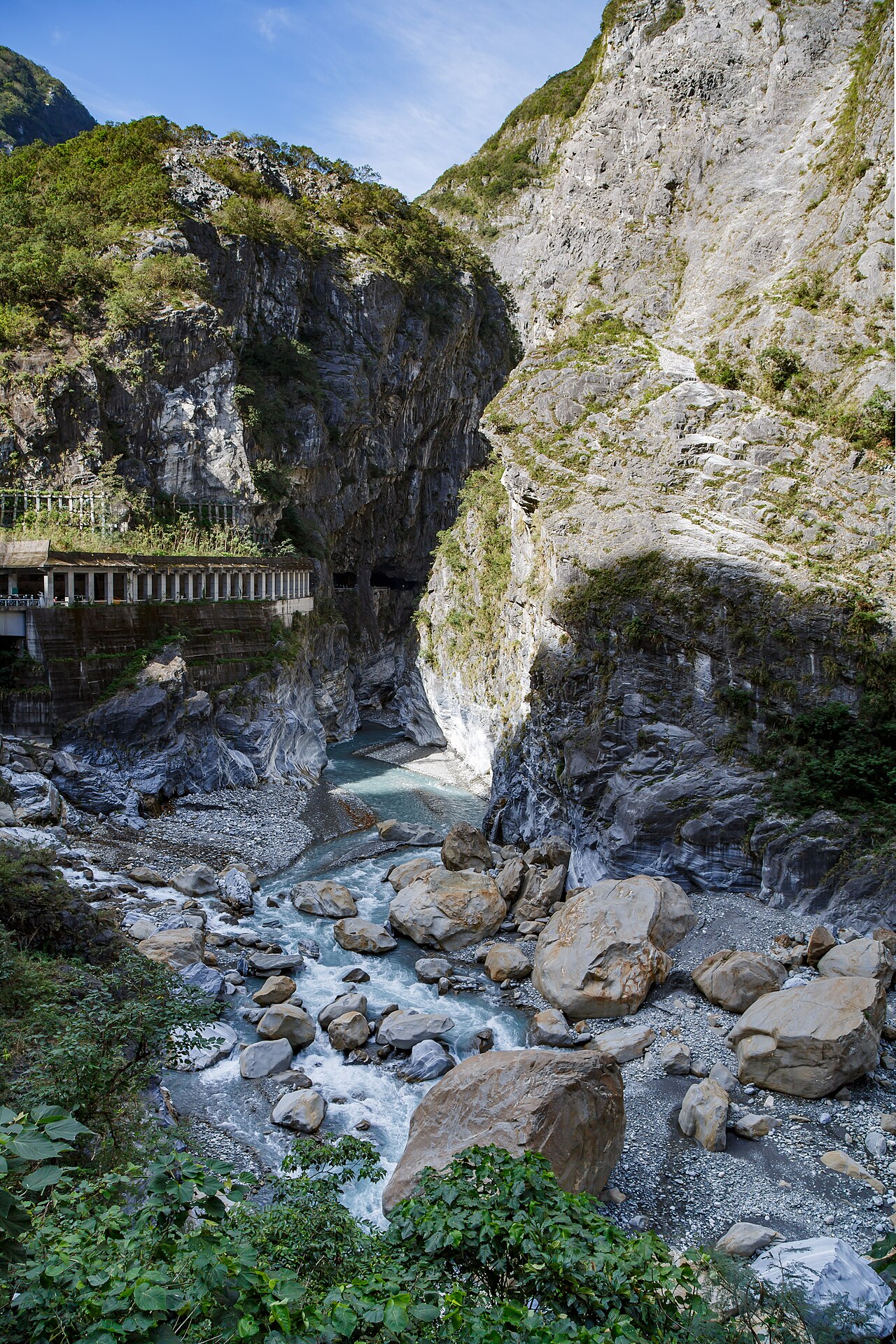
Taroko has to be answered honestly, in two layers. The geology is eternal: an 18-kilometer (11-mile) marble gorge cut by the Liwu River, inside a national park established in 1986 and named for the Truku people. The access is not. On April 3, 2024 a magnitude 7.2 earthquake struck offshore Hualien, killing visitors on the trails and burying paths under rockfall; Typhoon Kong-rey added damage that October 31. Two and a half years on, the park is in a phased, partial reopening: Central News Agency reporting puts the rebuilding of the signature trails — Shakadang and Swallow Grotto — at around seven years, the recovery phases run from 2028 toward 2031, and the government has allocated about NT$3 billion (roughly US$95 million) to the restoration.
What that means for timing: the visit is now built around the Highway Bureau's monthly traffic-control notice for Highway 8. In the published October 2026 schedule, the Tianxiang–Taroko entrance section releases traffic five times a day — 6:30–8:00 a.m., 10:00–10:05 a.m., 12:00–1:00 p.m., 3:00–3:05 p.m. and 5:00–6:00 p.m. — with exit-only passage to 6:30 p.m. and a full closure from 6:30 p.m. to 6:30 a.m. Two of those windows are five minutes long and strictly enforced; miss one and the wait is two hours. The schedule is re-set every month, and holidays get special arrangements, so the controlling document is the current month's notice on the park and Highway Bureau sites — verify it days before going, not months.
Within that frame, the seasons still argue. The east coast's enemies are the summer typhoon season and the autumn rain that follows it, when rockfall risk peaks and closures multiply after every storm; the plum rain of May–June soaks everything. Late November, after the typhoon season and before the winter northeast-monsoon drizzle settles on Hualien, offers the year's most settled gorge weather — and it pairs naturally with Taipei's own driest month on the same trip. Go midweek: the release windows do not care about crowds, but the open trailheads and the Tianxiang parking do.
Picture the place
Dawn at the gorge mouth on a November weekday: a small queue of cars at the Shakadang Tunnel checkpoint in the blue half-light, the marble walls above still in shadow, and at 6:30 sharp the barrier lifts and the line rolls silently into the canyon.
The easily missed detail
There are currently no buses inside the gorge — the park's shuttle services between the visitor center and Tianxiang are suspended. The convoy-window Taroko is a driver's park: a rental car from Hualien, a hired driver, or a tour that has built its day around the release times. Travelers arriving by train expecting the old shuttle loop will lose the day to logistics.
A practical rhythm
- The night before — Read the current Highway Bureau monthly notice and the park's trail-status page; choose the day's two release windows (in and out) before choosing anything else.
- Morning — Enter on the 6:30–8:00 release for the drive to Tianxiang in the quietest light, walking the open trails there while the gorge is empty.
- Afternoon — The visitor center and Dekalun Trail near the gate, timed to exit on the noon or mid-afternoon release, with the Qingshui Cliffs saved for the drive back to Hualien.
What could complicate the plan
Any heavy rain can suspend the releases entirely — the windows are a fair-weather instrument, and the east coast's rain is not scheduled. Trail status also moves in both directions: sections reopen in steps (Lushui's first 250 meters returned in February 2026) and close again after storms. And travelers holding pre-2024 guidebooks hold a different park: the famous walks those books lead with are precisely the ones behind the barriers.
What to do next
Book a Hualien base for two nights, a car or driver for one full gorge day, and treat the park's Daily Road and Trail Condition pages as the morning newspaper for the whole stay.
Sources
- Taroko National Park Headquarters — the park's official notices on post-earthquake closures (the Taroko–Tianxiang road section, km 185.4–167.7, including Buluowan and the Zhuilu Old Road) and the phased reopening; entry to the park free; bus services between the Visitor Center and Tianxiang suspended
- Highway Bureau, Ministry of Transportation and Communications — the October 2026 traffic-control measures for Provincial Highway 8: Tianxiang to Taroko entrance open five times daily (06:30–08:00, 10:00–10:05, 12:00–13:00, 15:00–15:05, 17:00–18:00), exit-only 18:00–18:30, closed overnight 18:30–06:30, with the schedule reset monthly
- Central News Agency reporting — the April 3, 2024 magnitude 7.2 Hualien earthquake; Typhoon Kong-rey's October 31, 2024 damage; Shakadang and Swallow Grotto rebuilding estimated at about seven years; normal highway traffic not expected before the route's tunnels are completed in 2028; about NT$3 billion allocated to restoration