Toronto / Canada When to visit
When should I visit Toronto, Canada, for the best experience?
The short answer
September — downtown highs still average 72°F (22°C), the summer humidity breaks, and the Toronto International Film Festival takes over the city for 11 days.
The answer, with local context
Toronto's seasons are decided by temperature, not rain. Environment and Climate Change Canada's 1991–2020 downtown normals show precipitation spread almost evenly across the year — every month between about 2.1 and 3.2 inches, 32.4 inches (823 mm) in total — while the average high swings from 31°F (−0.3°C) in January to 81°F (27°C) in July. What changes is the form the water takes: downtown averages 47.8 inches (121.5 cm) of snow a year, with January alone bringing about 14.6 inches (37 cm).
Summer is genuinely warm but stickier than the thermometer admits. At Pearson airport, July averages more than 18 days with a humidex of 30 or higher, so an 81°F afternoon regularly feels like the low 90s. September keeps most of the warmth — downtown highs of 72°F (22°C) — and drops the humidity, which is why the city's biggest event is scheduled then. TIFF, founded in 1976, opens on the Thursday after Labour Day and runs for 11 days of premieres across downtown venues.
The other festival anchor is high summer. The Toronto Caribbean Carnival began in 1967 as the Caribbean community's gift to Canada's Centennial, and its Grand Parade weekend lands at the turn of August, when the lake is warmest and the patios are full. Winter has its own case — skating at Nathan Phillips Square and 2,066 hours of annual sunshine mean many bright, bitter days — but January also averages nearly nine days when the wind chill drops below −4°F (−20°C) at the airport.
Picture the place
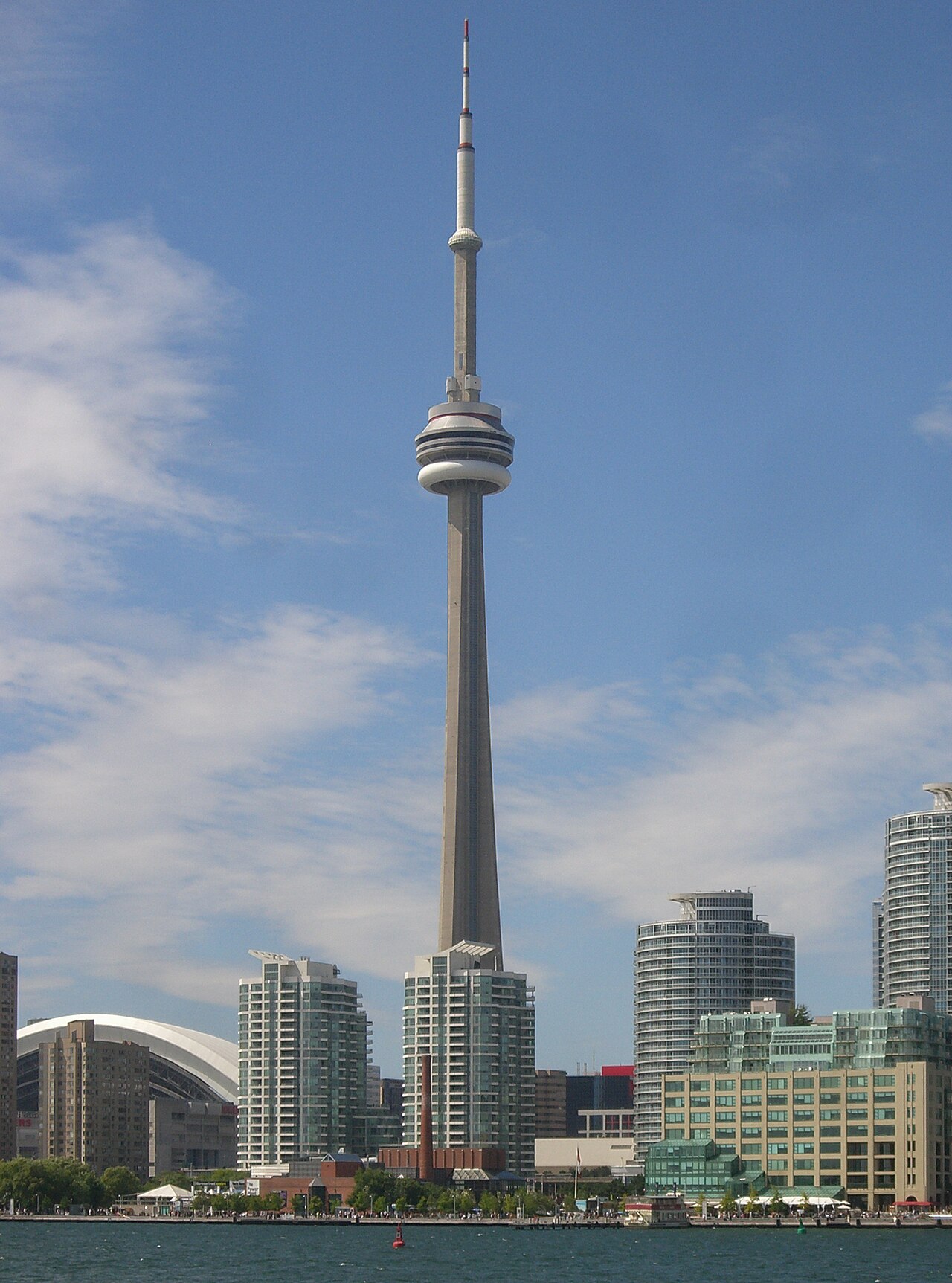
On a September evening the harbor is still warm enough for a jacketless walk: the last ferries cross to the Islands against a lit skyline, and the lake that spent January throwing up ice along the shore sits flat and copper-colored.
The easily missed detail
Which Toronto forecast you read matters. In January the downtown station's average low is 20°F (−6.7°C), while Pearson airport, 17 miles inland, averages 16°F (−8.9°C) — Lake Ontario takes roughly 4 degrees of bite out of a downtown night, so a winter trip based in the core is milder than the airport numbers suggest.
A practical rhythm
- Morning — Walk the Islands or the market early; summer humidity and festival crowds both build by noon.
- Midday — Put the museums and galleries in the middle of a July or August day, when the humidex peaks.
- Evening — Claim a patio or a TIFF screening after dark; September evenings are the best of the year for both.
What could complicate the plan
TIFF is the city's peak hotel fortnight — rooms in the downtown core book out and rates climb for the festival's 11 days. And a July trip should be planned around humidity rather than heat: the temperature rarely exceeds the mid-80s°F, but the humidex pushes the felt heat higher on most afternoons.
What to do next
Once the month is fixed, the things-to-do question in this group pairs the CN Tower with the Islands and the east-end market walk.
Sources
- Environment and Climate Change Canada — 1991–2020 Canadian Climate Normals, Toronto City and Toronto Pearson stations: temperatures, precipitation, snowfall, sunshine and humidex
- TIFF — festival founding in 1976 and the 11-day format from the Thursday after Labour Day
- Destination Toronto — Toronto Caribbean Carnival history from the 1967 Centennial