Destination / Japan
Tokyo: A Thoughtful Guide to Exploring the City
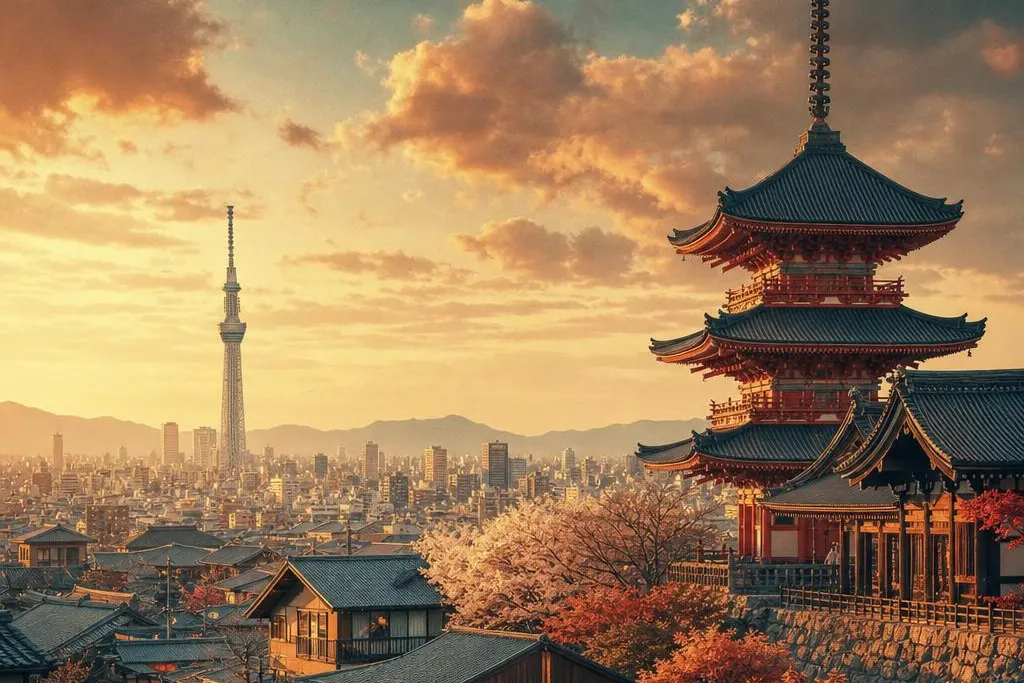
Image: AI-generated illustration via ai. AI-generated illustration, not a photograph.
Tokyo is not one center but a network of lively hubs, each with a different pace. A first-time itinerary often combines a few major districts with smaller neighborhood discoveries; resist the urge to change stations constantly. Select a base by the rail lines it serves and the kind of evenings you enjoy, not by a single landmark’s name. Use the contrasts between Shinjuku and Shibuya to shape a route around the parts of Tokyo you most want to experience.
Overview
Tokyo is not one center but a network of lively hubs, each with a different pace. A first-time itinerary often combines a few major districts with smaller neighborhood discoveries; resist the urge to change stations constantly. Select a base by the rail lines it serves and the kind of evenings you enjoy, not by a single landmark’s name.
Best time to visit
Choose dates and evenings around the neighborhoods and attractions you want to experience, checking current operator and venue information for the stops that anchor the plan. Concentrating on a few hubs makes a first visit easier to adjust.
Seasonal weather
Historical gridded averages for 1991–2020 offer context rather than a forecast for Tokyo. Dense built-up districts, waterfront areas, and green spaces form different outdoor settings; check the date-specific forecast and match it to the part of the city you will visit.
Neighbourhoods
Shinjuku, Shibuya, Ueno, Asakusa, and Ginza are different station-centered bases, not names for one interchangeable central zone. Compare the neighborhood atmosphere and line access for your own itinerary, including the return after dinner.
Tokyo through Shinjuku: first visits, transit and late dining
Let Shinjuku answer a specific travel question: are you looking for first visits, transit and late dining? If so, gardens, shopping, entertainment provide a useful frame for the visit. If the drawback of crowds, scale and complex station navigation would frustrate your plans, spend that time elsewhere. This choice is personal, and recognizing the difference between neighborhoods is part of understanding Tokyo.
For Tokyo, the distinction between Shinjuku and Shibuya can organize a day around first visits, transit and late dining or fashion, dining and contemporary city energy. Choose one as the anchor, check the rail journey to the other, and avoid treating station names as proof that the transfer is effortless. A focused itinerary leaves time to explore at street level.
Tokyo through Shibuya: fashion, dining and contemporary city energy
Let Shibuya answer a specific travel question: are you looking for fashion, dining and contemporary city energy? If so, crossing, shops, cafés provide a useful frame for the visit. If the drawback of busy streets and high visitor activity would frustrate your plans, spend that time elsewhere. This choice is personal, and recognizing the difference between neighborhoods is part of understanding Tokyo.
For Tokyo, the distinction between Shibuya and Ueno can organize a day around fashion, dining and contemporary city energy or museums, parks and rail connections. Choose one as the anchor, check the rail journey to the other, and avoid treating station names as proof that the transfer is effortless. A focused itinerary leaves time to explore at street level.
Tokyo through Ueno: museums, parks and rail connections
Let Ueno answer a specific travel question: are you looking for museums, parks and rail connections? If so, park, museums, market streets provide a useful frame for the visit. If the drawback of less polished nightlife than western hubs would frustrate your plans, spend that time elsewhere. This choice is personal, and recognizing the difference between neighborhoods is part of understanding Tokyo.
For Tokyo, the distinction between Ueno and Asakusa can organize a day around museums, parks and rail connections or temple visits and old-town atmosphere. Choose one as the anchor, check the rail journey to the other, and avoid treating station names as proof that the transfer is effortless. A focused itinerary leaves time to explore at street level.
Tokyo through Asakusa: temple visits and old-town atmosphere
Let Asakusa answer a specific travel question: are you looking for temple visits and old-town atmosphere? If so, historic temple district, river provide a useful frame for the visit. If the drawback of daytime crowds around major sights would frustrate your plans, spend that time elsewhere. This choice is personal, and recognizing the difference between neighborhoods is part of understanding Tokyo.
For Tokyo, the distinction between Asakusa and Ginza can organize a day around temple visits and old-town atmosphere or shopping, dining and polished hotels. Choose one as the anchor, check the rail journey to the other, and avoid treating station names as proof that the transfer is effortless. A focused itinerary leaves time to explore at street level.
Tokyo through Ginza: shopping, dining and polished hotels
Let Ginza answer a specific travel question: are you looking for shopping, dining and polished hotels? If so, department stores, theatres, central transit provide a useful frame for the visit. If the drawback of premium feel and quieter residential life would frustrate your plans, spend that time elsewhere. This choice is personal, and recognizing the difference between neighborhoods is part of understanding Tokyo.
For Tokyo, the distinction between Ginza and Shinjuku can organize a day around shopping, dining and polished hotels or first visits, transit and late dining. Choose one as the anchor, check the rail journey to the other, and avoid treating station names as proof that the transfer is effortless. A focused itinerary leaves time to explore at street level.
Attractions
Tokyo’s scale favors choosing a few hubs and spending real time inside them. GO TOKYO is the destination guide; current rail information belongs with the operator and current travel guidance with Japan’s government advice. A day designed around one station area plus a second connected stop is easier to adjust than a citywide chain of unrelated appointments.
Local transport
For each day, note the correct line, station exit, and onward walk; large station areas can turn an apparently direct route into a longer platform-and-street transfer. On arrival, favor the route that is easiest with bags over a theoretical time saving.
Trip length
A few days should be planned around a small number of connected station areas, not a citywide list. Longer stays can give Shinjuku, Ueno, or Asakusa their own unhurried time and reduce the pressure to navigate across town several times in one day.
Budget guidance
Compare live room totals and room dimensions alongside the exact station approach. A hub can reduce transfers, while a quieter base may serve a different itinerary; the useful choice is the property whose terms and location fit your routine.
Food and experiences
Make dining part of a station-area visit and verify the exact address and booking arrangements for a chosen venue. Tokyo’s neighborhoods each support a distinct evening; a nearby meal can be a more satisfying close than an extra transfer to a famous name.
Travel tips
Tokyo’s railway system makes a well-chosen base powerful, but a station name can cover a large area. Check which exit is nearest, whether the route is step-free, and how straightforward the trip is after a long day. For an arrival with luggage, a direct connection or prearranged transfer may be worth more than saving a few minutes on paper.
Choosing a neighbourhood
Shinjuku
Suits: first visits, transit and late dining
Trade-off: crowds, scale and complex station navigation
Nearby: gardens, shopping, entertainment
Shibuya
Suits: fashion, dining and contemporary city energy
Trade-off: busy streets and high visitor activity
Nearby: crossing, shops, cafés
Ueno
Suits: museums, parks and rail connections
Trade-off: less polished nightlife than western hubs
Nearby: park, museums, market streets
Asakusa
Suits: temple visits and old-town atmosphere
Trade-off: daytime crowds around major sights
Nearby: historic temple district, river
Ginza
Suits: shopping, dining and polished hotels
Trade-off: premium feel and quieter residential life
Nearby: department stores, theatres, central transit
| Area | Best for | Trade-off | Nearby |
|---|---|---|---|
| Shinjuku | first visits, transit and late dining | crowds, scale and complex station navigation | gardens, shopping, entertainment |
| Shibuya | fashion, dining and contemporary city energy | busy streets and high visitor activity | crossing, shops, cafés |
| Ueno | museums, parks and rail connections | less polished nightlife than western hubs | park, museums, market streets |
| Asakusa | temple visits and old-town atmosphere | daytime crowds around major sights | historic temple district, river |
| Ginza | shopping, dining and polished hotels | premium feel and quieter residential life | department stores, theatres, central transit |
Planning a October stay
For the wider city area, the October gridded climate averages are 27.0 °C for the daily high and 6.0 °C for the daily low. Use these long-term averages to compare seasons, not as a forecast for your dates.
Seasonal evidence is refreshed quarterly when the content service runs; an overdue refresh is picked up on the next timer tick or request. Retrieval dates remain visible, and unavailable crowd or pricing data is not estimated.
Weather by month
| Month | Mean high | Mean low | Rain per day |
|---|---|---|---|
| January | 14.2 °C | -4.8 °C | 2.0 mm |
| February | 16.8 °C | -4.9 °C | 2.2 mm |
| March | 19.7 °C | -3.1 °C | 3.8 mm |
| April | 24.1 °C | -0.3 °C | 4.3 mm |
| May | 28.1 °C | 6.0 °C | 4.5 mm |
| June | 30.8 °C | 11.7 °C | 6.0 mm |
| July | 33.5 °C | 16.9 °C | 5.9 mm |
| August | 34.2 °C | 18.1 °C | 4.7 mm |
| September | 31.8 °C | 12.2 °C | 7.2 mm |
| October | 27.0 °C | 6.0 °C | 6.5 mm |
| November | 21.7 °C | 0.3 °C | 3.1 mm |
| December | 17.1 °C | -3.1 °C | 1.9 mm |
Source: NASA POWER gridded climate averages (T2M_MAX_AVG and T2M_MIN_AVG monthly climatology, 1991 to 2020, coarse grid cell for the city area, not a weather station) (dataset), retrieved 2026-10-20. Rain is shown in mm per day. These are long-term gridded averages, not a forecast.
Public holidays and dates to know
| Date | Holiday | Source |
|---|---|---|
| Culture Day | Source, checked 2026-10-20 | |
| Labour Thanksgiving Day | Source, checked 2026-10-20 | |
| New Year's Day | Source, checked 2026-10-20 | |
| Coming of Age Day | Source, checked 2026-10-20 | |
| Foundation Day | Source, checked 2026-10-20 | |
| The Emperor's Birthday | Source, checked 2026-10-20 | |
| Vernal Equinox Day | Source, checked 2026-10-20 | |
| Shōwa Day | Source, checked 2026-10-20 | |
| Constitution Memorial Day | Source, checked 2026-10-20 | |
| Greenery Day | Source, checked 2026-10-20 | |
| Children's Day | Source, checked 2026-10-20 | |
| Marine Day | Source, checked 2026-10-20 | |
| Mountain Day | Source, checked 2026-10-20 | |
| Respect for the Aged Day | Source, checked 2026-10-20 | |
| Autumnal Equinox Day | Source, checked 2026-10-20 | |
| Sports Day | Source, checked 2026-10-20 | |
| Culture Day | Source, checked 2026-10-20 | |
| Labour Thanksgiving Day | Source, checked 2026-10-20 |
Confirmed dates worth planning around
- Tokyo Marathon 2027 — 2027-03-07 to 2027-03-07 (Tokyo). Organizer calendar Checked 2026-10-20.
Only organizer-confirmed dates are shown. Check the organizer before booking.
Prices
We do not have a recent price observation for this city, so we are not quoting a figure. Live rates appear when you search; they change with dates, room type and availability.
Questions travellers ask
Which parts of Tokyo reveal the strongest neighborhood contrast?
Compare Shinjuku, associated here with first visits, transit and late dining, against Shibuya, where the draw is fashion, dining and contemporary city energy. Their respective tradeoffs—crowds, scale and complex station navigation and busy streets and high visitor activity—are more useful than trying to identify one universally best district.
How can I avoid overloading a day in Tokyo?
Use gardens or crossing as a day anchor, then avoid crossing the city solely to add another pin. Tokyo’s railway system makes a well-chosen base powerful, but a station name can cover a large area. For a planned park stop in Tokyo, check the responsible site's current visitor page before fixing the route.
What can I verify through GO TOKYO — Official Tokyo travel guide?
GO TOKYO — Official Tokyo travel guide is the local visitor source consulted for destination orientation. Japan travel advice — GOV.UK was also reviewed for Tokyo; a specific attraction’s own official page remains the right place to confirm admission and access.
What date-dependent details are not supplied for a Ueno visit?
No Tokyo event calendar or hotel-price average is represented as current. Confirm a venue’s schedule at its own site and use date-specific hotel results to compare offers.
Keep exploring
 Where to Stay in Tokyo: A Neighborhood GuideAI-generated illustration via ai
 Buenos Aires: A Thoughtful Guide to Exploring the CityAI-generated illustration via ai
 Cartagena: A Thoughtful Guide to Exploring the CityAI-generated illustration via ai
Sources consulted
- GO TOKYO — Official Tokyo travel guide (https://www.gotokyo.org/en/), checked 2026-10-20
- Japan travel advice — GOV.UK (https://www.gov.uk/foreign-travel-advice/japan), checked 2026-10-20
- NASA POWER gridded climate averages, 1991–2020 (https://power.larc.nasa.gov/api/temporal/climatology/point?parameters=T2M_MAX_AVG%2CT2M_MIN_AVG%2CPRECTOTCORR&community=SB&latitude=35.6762&longitude=139.6503&start=1991&end=2020&format=JSON), checked 2026-10-20
- Nager.Date countrywide public holidays (2026); local observances may differ (https://date.nager.at/api/v3/PublicHolidays/2026/JP), checked 2026-10-20
- Nager.Date countrywide public holidays (2027); local observances may differ (https://date.nager.at/api/v3/PublicHolidays/2027/JP), checked 2026-10-20
- Tokyo Marathon 2027 (https://www.marathon.tokyo/en/), checked 2026-10-20