Where to stay / Japan
Where to Stay in Tokyo: A Neighborhood Guide
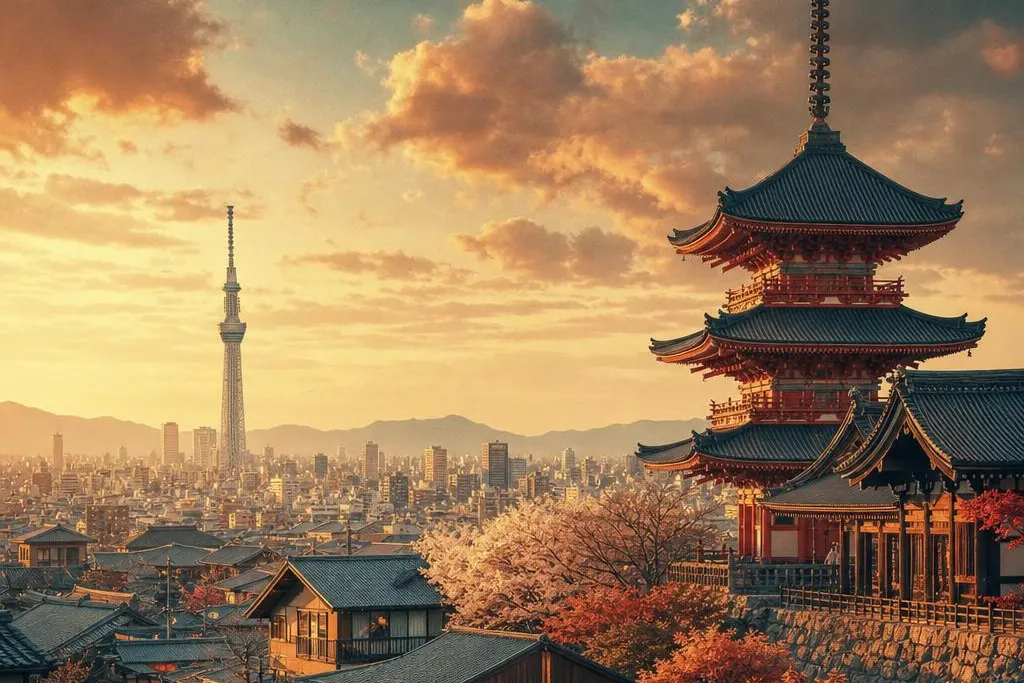
Image: AI-generated illustration via ai. AI-generated illustration, not a photograph.
Tokyo hotel planning is a question of access and room needs. A small room near a useful station can outperform a larger room that makes every journey awkward, but station complexes and exits can be demanding with luggage. Identify the specific station entrance, line, and transfer pattern before choosing a property. Compare Shinjuku, Shibuya, and Ueno against the daily routes and room details that will matter to your stay.
Choosing a base
Tokyo hotel planning is a question of access and room needs. A small room near a useful station can outperform a larger room that makes every journey awkward, but station complexes and exits can be demanding with luggage. Identify the specific station entrance, line, and transfer pattern before choosing a property.
In Tokyo, the relevant detail is often the exact rail line and station exit rather than the district name. Compare Shinjuku with Ueno or Asakusa according to your plans and luggage needs. Ask whether the room fits your party comfortably, and check the hotel’s route from the station entrance you will actually use.
Neighbourhoods
The district profiles represent different station areas and evening rhythms rather than interchangeable labels. Choose based on the line, exit, and activities that will matter day after day; confirm the hotel’s precise station approach.
Choose by the railway line and station exit that will serve your actual itinerary. Two properties described with the same station name can involve different walks; check the luggage route and your late return before deciding that the address is interchangeable.
Shinjuku as a hotel base in Tokyo: first visits, transit and late dining
The decision to stay in Shinjuku comes down to a specific match: first visits, transit and late dining on one side, crowds, scale and complex station navigation on the other. Nearby reference points such as gardens, shopping, entertainment can anchor your map search. Verify the precise hotel location, late-night access, and any mobility requirement directly, since those details are more granular than a district profile.
Use Shinjuku and Shibuya as rival station-area strategies: one fits first visits, transit and late dining, the other fashion, dining and contemporary city energy. The comparison is meaningful only after checking which rail entrance serves each hotel and what the room offers. Tokyo listings can share a district label while requiring quite different luggage journeys.
Shibuya as a hotel base in Tokyo: fashion, dining and contemporary city energy
The decision to stay in Shibuya comes down to a specific match: fashion, dining and contemporary city energy on one side, busy streets and high visitor activity on the other. Nearby reference points such as crossing, shops, cafés can anchor your map search. Verify the precise hotel location, late-night access, and any mobility requirement directly, since those details are more granular than a district profile.
Use Shibuya and Ueno as rival station-area strategies: one fits fashion, dining and contemporary city energy, the other museums, parks and rail connections. The comparison is meaningful only after checking which rail entrance serves each hotel and what the room offers. Tokyo listings can share a district label while requiring quite different luggage journeys.
Ueno as a hotel base in Tokyo: museums, parks and rail connections
The decision to stay in Ueno comes down to a specific match: museums, parks and rail connections on one side, less polished nightlife than western hubs on the other. Nearby reference points such as park, museums, market streets can anchor your map search. Verify the precise hotel location, late-night access, and any mobility requirement directly, since those details are more granular than a district profile.
Use Ueno and Asakusa as rival station-area strategies: one fits museums, parks and rail connections, the other temple visits and old-town atmosphere. The comparison is meaningful only after checking which rail entrance serves each hotel and what the room offers. Tokyo listings can share a district label while requiring quite different luggage journeys.
Asakusa as a hotel base in Tokyo: temple visits and old-town atmosphere
The decision to stay in Asakusa comes down to a specific match: temple visits and old-town atmosphere on one side, daytime crowds around major sights on the other. Nearby reference points such as historic temple district, river can anchor your map search. Verify the precise hotel location, late-night access, and any mobility requirement directly, since those details are more granular than a district profile.
Use Asakusa and Ginza as rival station-area strategies: one fits temple visits and old-town atmosphere, the other shopping, dining and polished hotels. The comparison is meaningful only after checking which rail entrance serves each hotel and what the room offers. Tokyo listings can share a district label while requiring quite different luggage journeys.
Ginza as a hotel base in Tokyo: shopping, dining and polished hotels
The decision to stay in Ginza comes down to a specific match: shopping, dining and polished hotels on one side, premium feel and quieter residential life on the other. Nearby reference points such as department stores, theatres, central transit can anchor your map search. Verify the precise hotel location, late-night access, and any mobility requirement directly, since those details are more granular than a district profile.
Use Ginza and Shinjuku as rival station-area strategies: one fits shopping, dining and polished hotels, the other first visits, transit and late dining. The comparison is meaningful only after checking which rail entrance serves each hotel and what the room offers. Tokyo listings can share a district label while requiring quite different luggage journeys.
Local transport
Confirm the station exit and line that serve your chosen hotel, since station names can cover a large area. For luggage or mobility needs, check step-free routes and the walk from the platform-side exit rather than relying on a station label.
Hotel search
For Tokyo, check the specific station entrance and line serving the hotel, not only the station name printed in a listing. A direct route with bags can be more valuable than saving a few minutes on the map. Compare room dimensions and accessibility details carefully, then choose a hub that supports your own evenings. Rates and inventory need a live date-based hotel search.
A hotel beside a major hub can simplify transfers, while a quieter local base may make neighborhood evenings easier. Compare the date-specific total, room size, and route to the correct station entrance rather than ranking districts by reputation.
Choosing a neighbourhood
Shinjuku
Suits: first visits, transit and late dining
Trade-off: crowds, scale and complex station navigation
Nearby: gardens, shopping, entertainment
Shibuya
Suits: fashion, dining and contemporary city energy
Trade-off: busy streets and high visitor activity
Nearby: crossing, shops, cafés
Ueno
Suits: museums, parks and rail connections
Trade-off: less polished nightlife than western hubs
Nearby: park, museums, market streets
Asakusa
Suits: temple visits and old-town atmosphere
Trade-off: daytime crowds around major sights
Nearby: historic temple district, river
Ginza
Suits: shopping, dining and polished hotels
Trade-off: premium feel and quieter residential life
Nearby: department stores, theatres, central transit
| Area | Best for | Trade-off | Nearby |
|---|---|---|---|
| Shinjuku | first visits, transit and late dining | crowds, scale and complex station navigation | gardens, shopping, entertainment |
| Shibuya | fashion, dining and contemporary city energy | busy streets and high visitor activity | crossing, shops, cafés |
| Ueno | museums, parks and rail connections | less polished nightlife than western hubs | park, museums, market streets |
| Asakusa | temple visits and old-town atmosphere | daytime crowds around major sights | historic temple district, river |
| Ginza | shopping, dining and polished hotels | premium feel and quieter residential life | department stores, theatres, central transit |
Planning a October stay
For the wider city area, the October gridded climate averages are 27.0 °C for the daily high and 6.0 °C for the daily low. Use these long-term averages to compare seasons, not as a forecast for your dates.
Seasonal evidence is refreshed quarterly when the content service runs; an overdue refresh is picked up on the next timer tick or request. Retrieval dates remain visible, and unavailable crowd or pricing data is not estimated.
Weather by month
| Month | Mean high | Mean low | Rain per day |
|---|---|---|---|
| January | 14.2 °C | -4.8 °C | 2.0 mm |
| February | 16.8 °C | -4.9 °C | 2.2 mm |
| March | 19.7 °C | -3.1 °C | 3.8 mm |
| April | 24.1 °C | -0.3 °C | 4.3 mm |
| May | 28.1 °C | 6.0 °C | 4.5 mm |
| June | 30.8 °C | 11.7 °C | 6.0 mm |
| July | 33.5 °C | 16.9 °C | 5.9 mm |
| August | 34.2 °C | 18.1 °C | 4.7 mm |
| September | 31.8 °C | 12.2 °C | 7.2 mm |
| October | 27.0 °C | 6.0 °C | 6.5 mm |
| November | 21.7 °C | 0.3 °C | 3.1 mm |
| December | 17.1 °C | -3.1 °C | 1.9 mm |
Source: NASA POWER gridded climate averages (T2M_MAX_AVG and T2M_MIN_AVG monthly climatology, 1991 to 2020, coarse grid cell for the city area, not a weather station) (dataset), retrieved 2026-10-20. Rain is shown in mm per day. These are long-term gridded averages, not a forecast.
Public holidays and dates to know
| Date | Holiday | Source |
|---|---|---|
| Culture Day | Source, checked 2026-10-20 | |
| Labour Thanksgiving Day | Source, checked 2026-10-20 | |
| New Year's Day | Source, checked 2026-10-20 | |
| Coming of Age Day | Source, checked 2026-10-20 | |
| Foundation Day | Source, checked 2026-10-20 | |
| The Emperor's Birthday | Source, checked 2026-10-20 | |
| Vernal Equinox Day | Source, checked 2026-10-20 | |
| Shōwa Day | Source, checked 2026-10-20 | |
| Constitution Memorial Day | Source, checked 2026-10-20 | |
| Greenery Day | Source, checked 2026-10-20 | |
| Children's Day | Source, checked 2026-10-20 | |
| Marine Day | Source, checked 2026-10-20 | |
| Mountain Day | Source, checked 2026-10-20 | |
| Respect for the Aged Day | Source, checked 2026-10-20 | |
| Autumnal Equinox Day | Source, checked 2026-10-20 | |
| Sports Day | Source, checked 2026-10-20 | |
| Culture Day | Source, checked 2026-10-20 | |
| Labour Thanksgiving Day | Source, checked 2026-10-20 |
Confirmed dates worth planning around
- Tokyo Marathon 2027 — 2027-03-07 to 2027-03-07 (Tokyo). Organizer calendar Checked 2026-10-20.
Only organizer-confirmed dates are shown. Check the organizer before booking.
Prices
We do not have a recent price observation for this city, so we are not quoting a figure. Live rates appear when you search; they change with dates, room type and availability.
Questions travellers ask
Which Tokyo neighborhood belongs on my hotel shortlist?
Start with Shinjuku if first visits, transit and late dining is central to your trip. Shibuya is a different option for fashion, dining and contemporary city energy; decide whether crowds, scale and complex station navigation or busy streets and high visitor activity is easier for your party to accommodate.
What is the difference between booking in Shibuya and Ueno?
Shibuya is oriented toward fashion, dining and contemporary city energy, while Ueno is more naturally aligned with museums, parks and rail connections. Compare their nearby anchors—crossing and park—and map the journey you expect to repeat before choosing.
Which hotel detail deserves a direct question during a Tokyo stay in Shinjuku?
The description of Shinjuku cannot tell you whether one building handles crowds, scale and complex station navigation well. If you expect to visit gardens and crossing, ask the property how its exact arrival route and room setup fit your needs.
Can I rank Shinjuku and Shibuya by their usual nightly costs?
Tokyo room size and station access vary by property. Search identical dates and occupancy before comparing offers; this guide does not assign a standard price to a station district.
Keep exploring
 Tokyo: A Thoughtful Guide to Exploring the CityAI-generated illustration via ai
 Buenos Aires: A Thoughtful Guide to Exploring the CityAI-generated illustration via ai
 Cartagena: A Thoughtful Guide to Exploring the CityAI-generated illustration via ai
Sources consulted
- GO TOKYO — Official Tokyo travel guide (https://www.gotokyo.org/en/), checked 2026-10-20
- Japan travel advice — GOV.UK (https://www.gov.uk/foreign-travel-advice/japan), checked 2026-10-20
- NASA POWER gridded climate averages, 1991–2020 (https://power.larc.nasa.gov/api/temporal/climatology/point?parameters=T2M_MAX_AVG%2CT2M_MIN_AVG%2CPRECTOTCORR&community=SB&latitude=35.6762&longitude=139.6503&start=1991&end=2020&format=JSON), checked 2026-10-20
- Nager.Date countrywide public holidays (2026); local observances may differ (https://date.nager.at/api/v3/PublicHolidays/2026/JP), checked 2026-10-20
- Nager.Date countrywide public holidays (2027); local observances may differ (https://date.nager.at/api/v3/PublicHolidays/2027/JP), checked 2026-10-20
- Tokyo Marathon 2027 (https://www.marathon.tokyo/en/), checked 2026-10-20