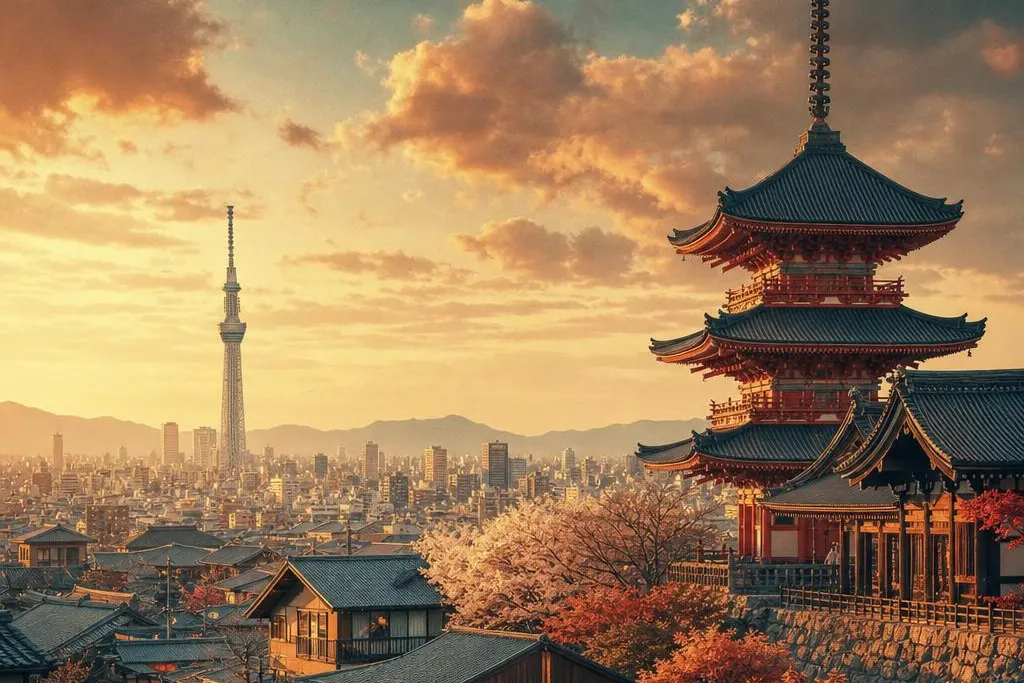
Credit: AI-generated illustration · Owned by Evago · Original AI-generated illustration commissioned for Evago; not documentary photography.
This is an editorial suggested plan, not a packaged tour or a statement about current availability. It uses well-known Tokyo districts and attractions so you can explore contrasting sides of the city over three days: traditional Asakusa, tech-and-anime Akihabara, youth-fashion Harajuku and the commercial high streets including Ginza and the business streets of Shinjuku. Each day includes one optional major booking, a rest/flexible option, and an alternative for poor weather or reduced mobility. Check official sources for up-to-date transport routes and timetables before you travel.
This is an original, source-based suggested itinerary—not a firsthand trip report, guided tour, hotel recommendation or guarantee of current availability. Opening arrangements, transport services and room terms must be checked for your dates.
Choose one hotel base before planning each day
Asakusa-area hotel search (recommended if you want early visits to Senso-ji)
Staying in the Asakusa search area prioritises direct access to Senso-ji and Nakamise street shopping in Day 1 mornings; with this base you would start Day 1 in Asakusa and leave Akihabara for later that same day. Tradeoff: evenings will route you further from nightlife clusters in Shinjuku or Shibuya, so Day 2 or Day 3 evenings may require longer transit.
Shinjuku or Shibuya-area hotel search (recommended if you prefer evening options and central links)
Picking a hotel in the Shinjuku or Shibuya search areas shifts the order: you would tackle Asakusa and Senso-ji later in a day that starts around Harajuku/Shibuya, keeping evenings in the same lively district where bars and restaurants concentrate. Tradeoff: early-morning visits to Senso-ji will involve more travel into downtown Tokyo compared with an Asakusa-area base.
Day 1: Asakusa and Akihabara: historic streets then tech culture
Morning
Begin with Senso-ji, Tokyo’s oldest temple. Walk the Nakamise shopping street to sample traditional souvenirs and snacks and to get a feel for the temple precinct. This morning choice concentrates history and street shopping within one focused area.
Afternoon
After a relaxed lunch, head to Akihabara to explore electronics shops, game arcades and anime culture. Akihabara is described as the home of technology and anime culture, making it a clear counterpoint to Asakusa’s traditional character. Flexible option: if you prefer a quieter afternoon, return to Asakusa for more time on Nakamise or seek a local tea house.
Evening
Choose a low-key evening near your hotel base. Optional major booking: themed-cafe experience or a small-group guided walk of Akihabara’s tech outlets (book ahead). Alternative for bad weather or mobility needs: spend the afternoon and evening inside a large department store or shopping arcade in Akihabara or Asakusa; check each venue’s own information for accessibility details rather than assuming all sites are accessible.
Day 2: Harajuku, Shibuya and shopping-led districts
Morning
Start in Harajuku to see the young fashion scene and the street-level fashion shops that define the area’s reputation. Harajuku is one of Tokyo’s trendy districts for fashion and shopping.
Afternoon
Move on to nearby Shibuya for more shopping and the district’s urban bustle. Shibuya is noted among Tokyo’s fashion and shopping areas alongside Harajuku and Ginza. Rest period: schedule an hour mid-afternoon to sit at a café and recharge; this simple break helps if you prefer a gentler pace between shopping pockets.
Evening
Evening options depend on your hotel base: if based in Shinjuku/Shibuya you can stay in the area for dinner; if based in Asakusa consider returning to your hotel and using the evening for a local neighbourhood meal. Optional major booking: fashion- or neighbourhood-guided shopping tour that highlights independent sellers (reserve a morning or afternoon slot). Alternative for poor weather: focus on indoor shopping complexes and department stores in Shibuya or Ginza.
Day 3: Ginza and Shinjuku: luxury flagships and business-district contrasts
Morning
Visit Ginza’s flagship stores and window-shopping streets noted for luxury flagships and high-end retail. Ginza is identified among Tokyo’s luxury shopping destinations.
Afternoon
Head to Shinjuku to experience the mix of skyscrapers and atmospheric back streets with tiny bars that characterise this thriving business district. Shinjuku’s contrasting urban textures make it a natural counterpart to Ginza’s polished avenues. Rest/flexible option: find a quiet mid-afternoon break in a public garden or cafe within Shinjuku; use this time to adjust plans or rest before evening activities.
Evening
End your trip with a relaxed evening in Shinjuku or return to your chosen hotel base for a final dinner. Optional major booking: dinner at a restaurant that needs advance reservation, or a small evening stroll with a guide who focuses on Shinjuku’s back streets (book ahead). Alternative for mobility needs or rain: spend the afternoon inside Shinjuku’s large station complexes and department stores; verify facility details with each venue.
Getting around without overloading the day
This plan assumes use of Tokyo’s public transport network. For current route planning, fares and station details consult Tokyo Metro’s official resources and the Tokyo Subway map. Tokyo’s closest airports are Haneda (Tokyo International Airport) and Narita Airport; check official airport-to-city transport options before travel.
Adjusting the plan
If you prefer to reduce walking or unpredictable weather makes outdoor exploration difficult, restructure each day around a single large indoor commercial complex or department store in the area you are visiting (for example, spend a full day focusing on indoor shopping in Ginza or Shibuya). For mobility needs, contact individual venues and transport operators for details rather than relying on this itinerary to guarantee accessibility.
Before booking your stay
- Reserve any themed cafes, guided shopping or evening back-street walks in advance when possible.
- Check Tokyo Metro and airport access pages for current route and ticket options.
- Book special-occasion dinners or dining slots in Shinjuku or Ginza ahead of arrival.
- Confirm opening hours for specific shops, cafes and any indoor venues you plan to visit.
Frequently asked questions
Is this itinerary a guaranteed guided tour or a first-hand account?
No. This is an editorial suggested plan for self-guided exploration and not a packaged tour, first-hand visit report or statement about current availability.
How should I choose between an Asakusa-area or Shinjuku/Shibuya-area hotel?
Choose Asakusa-area hotel searches if you prioritise early visits to Senso-ji and Nakamise. Choose Shinjuku or Shibuya-area hotel searches if you prefer to spend evenings in lively commercial and nightlife districts; each choice changes which areas you tackle earlier in the day and which you save for evenings.
Where can I check transport connections and route details for these plans?
Use Tokyo Metro’s official site and its subway map and airport access guidance to plan routes and check current ticket options before travel.
Research sources
Facts checked 2026-10-24. Suggested day order and hotel-base comparisons are Evago editorial planning, not a copied source itinerary.
- Tokyo — JNTO destination page — checked 2026-10-24
- Senso-ji (Asakusa) — source facts — checked 2026-10-24
- Tokyo Metro (official site) — checked 2026-10-24
Plan your Tokyo stay
Compare where to stay in Tokyo before choosing a room.