Azerbaijan country guide Food and drink
What local dishes should I try in Azerbaijan, and where should I look for them?
The short answer
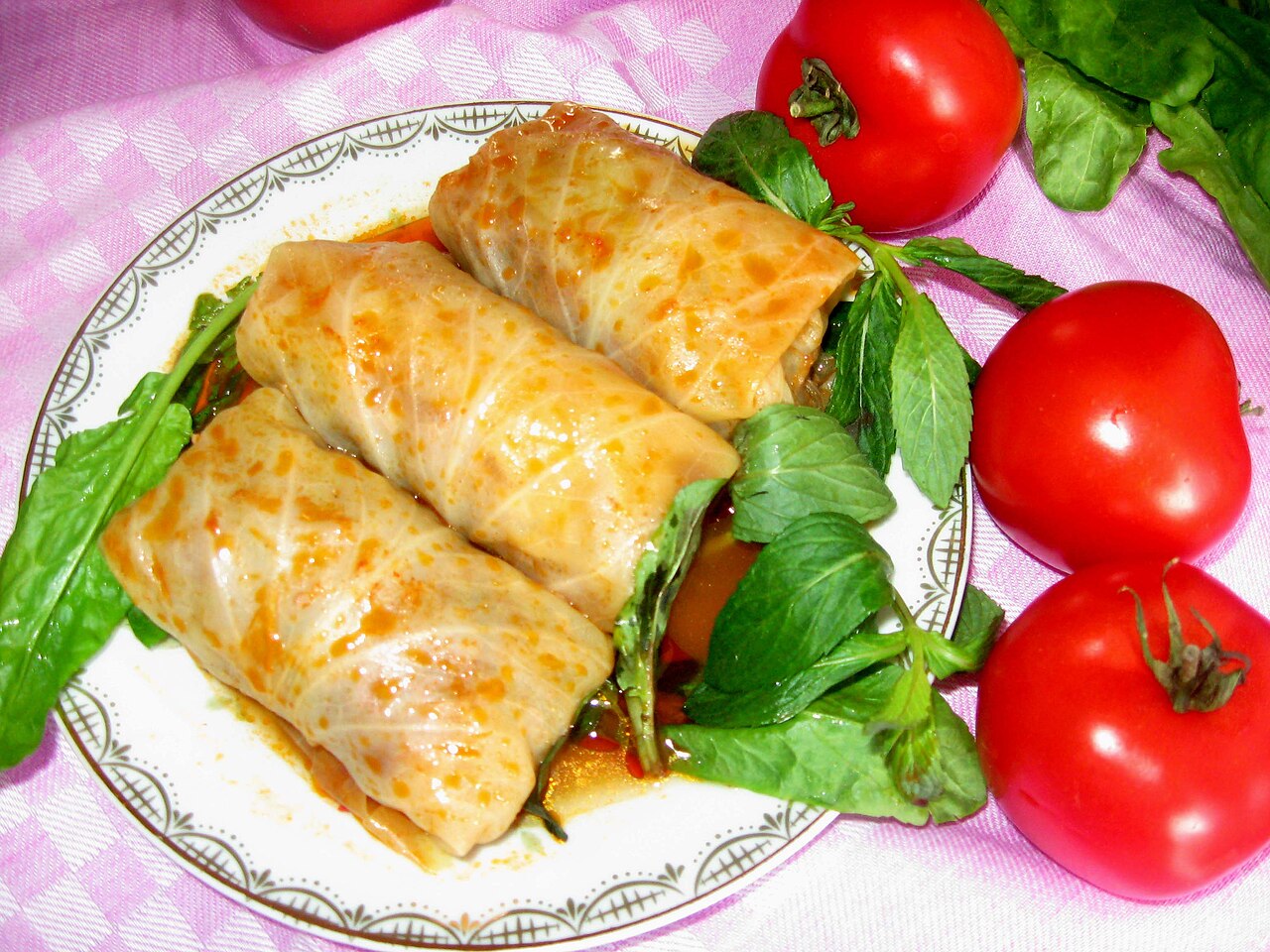
Dolma and a long pot of tea — the dolma making and sharing tradition was inscribed on UNESCO's Representative List in 2017 and the culture of çay, tea, as a symbol of identity and hospitality followed in 2022, and between them they describe how Azerbaijani meals actually begin and end.
The answer, with local context
The Permanent Delegation of Azerbaijan to UNESCO records a long run of food-adjacent inscriptions, and reading them as a menu works surprisingly well. Flatbread making and sharing culture, covering lavash, katyrma, jupka and yufka, was inscribed in 2016 through Decision 11.COM 10.b.2 at the Committee's 11th session in Addis Ababa, as a joint element of 5 States — Azerbaijan, Iran, Kazakhstan, Kyrgyzstan and Türkiye — which the Committee said expresses hospitality, solidarity and beliefs symbolizing common cultural roots. Nar Bayrami, the traditional pomegranate festivity and culture, joined the list in 2020 — the fruit is a Goychay specialty and the festival is held there. Sericulture and the traditional production of silk for weaving came in 2022, which is a Sheki story, and the copper craftsmanship of Lahij in 2015, which explains why the mountain village of Lahij sells the pots the food is cooked in.
Order from that framework. Plov arrives as a category rather than a dish, often with the rice crust served separately. Qutab are thin stuffed griddle breads, filled with greens, pumpkin or meat, and belong to roadside and market stalls rather than restaurants. Dovga is a hot yogurt and herb soup. Piti, a lamb-and-chickpea broth baked in individual clay pots, is the thing to order in Sheki specifically. Sheki halva, layered and saffron-stained, is different enough from Middle Eastern halva that the name misleads.
Payment practice shapes where you can eat. The US International Trade Administration's Azerbaijan guide states that major hotels, restaurants, supermarkets and mid-range shops in Baku accept cards but that the economy remains largely cash-based, with foreign credit cards not accepted everywhere; it also records a typical lunch break of 1:00 to 2:00 p.m. Carry manat for qutab stalls and village teahouses.
Picture the place
A Lahij workshop is loud before it is anything else — copper is worked by hand there, and the hammering carries down a single stone street that the village is essentially built along.
The easily missed detail
Tea is not a drink that ends a meal here; the 2022 çay inscription treats it as the social occasion itself, served in pear-shaped armudu glasses with jam and sweets rather than milk. In a teahouse the tea is the reason you are sitting down, and food is the optional part — which is the reverse of how most visitors read the room, and it is why an Azerbaijani afternoon runs longer than planned.
A practical rhythm
- Breakfast — Find qutab at a market griddle; the 2016 flatbread inscription is about sharing, and these are made to be eaten standing.
- Lunch — Eat when the country does, around the 1:00 to 2:00 p.m. break, when kitchens are busiest and freshest.
- Late — Sit down to çay properly rather than taking it to go; the glasses are small and the point is the duration.
What could complicate the plan
Much of the best eating is regional and cash-only, so a card-dependent traveler will miss it. Pomegranate season is the autumn, so the Nar Bayrami material is a late-year experience rather than a summer one. And the ITA guide warns that healthcare often does not match US standards and that medical evacuation transport alone can exceed US$70,000 — relevant if you are eating adventurously a long way from Baku.
What to do next
See the Azerbaijan places and experiences question in this guide for the drives to Sheki, Lahij and Goychay, and the trip-planning question for visa and registration mechanics.
Sources
- Ministry of Foreign Affairs of the Republic of Azerbaijan, Permanent Delegation — inscription years for dolma, çay culture, flatbread making, Nar Bayrami, sericulture and Lahij copper craftsmanship
- UNESCO Intangible Cultural Heritage, Decision 11.COM 10.b.2 — the 2016 flatbread inscription, the 11th session in Addis Ababa, the 5 submitting States and the Committee's wording
- US International Trade Administration, Azerbaijan Country Commercial Guide, business travel — card acceptance and cash economy, lunch hours, healthcare standards and medical evacuation costs