Bahrain country guide Places and experiences
What should a first-time traveler see in Bahrain beyond the obvious highlights?
The short answer
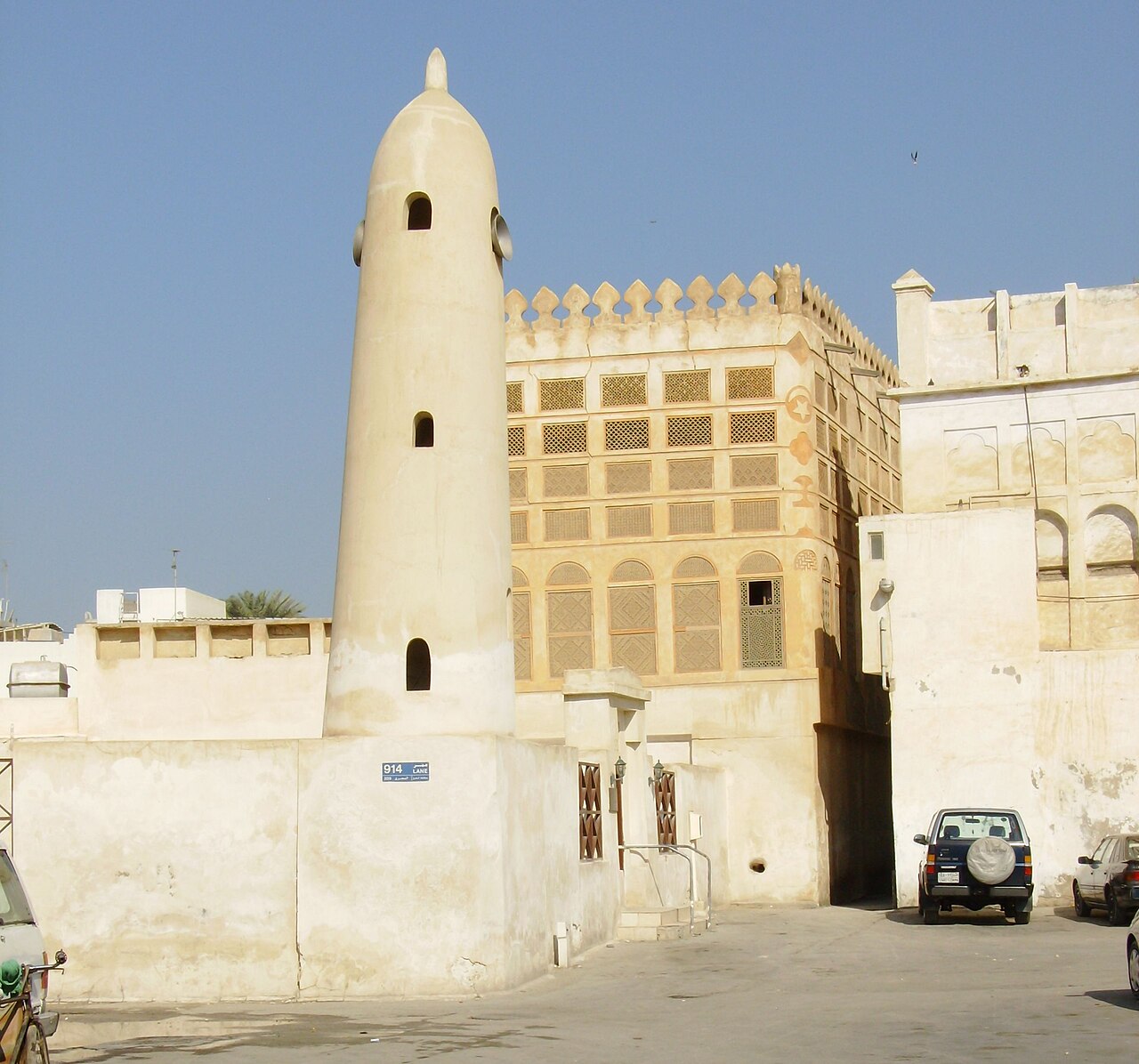
Muharraq's pearling route and the burial mounds inland — Pearling, Testimony of an Island Economy was inscribed by UNESCO in 2012 and the Dilmun Burial Mounds in 2019, and neither is the fort that most visitors treat as Bahrain's only heritage site.
The answer, with local context
The pearling property came through Decision 36COM 8B.20 at the Committee's 36th session, following an earlier decision on the same nomination in 2011. It is not a monument but a route: oyster beds, shore, and the merchant and diver houses of Muharraq, strung together as the physical record of an economy that ended when cultured pearls arrived. The Dilmun Burial Mounds were inscribed under Decision 43COM 8B.12 at the 43rd session, covering burial fields from the Dilmun civilization that gave the fort its subtitle.
Muharraq's living heritage sits on the same ground. UNESCO inscribed Fjiri on the Representative List of the Intangible Cultural Heritage of Humanity in 2021 through Decision 16.COM 8.B.3. The Committee's description dates the practice to the late 1800s, when pearl divers and crews used it to voice the hardships of life at sea; performers sit in a circle with drums, finger chimes and a jahl, a clay pot played as an instrument, while a lead singer and dancers occupy the center. It began on Muharraq Island, where most residents once belonged to pearling communities, and is performed by all-male groups in cultural spaces called durs. Standing in Muharraq, the 2012 World Heritage inscription and the 2021 intangible one describe the same industry from two directions.
Picture the place
Muharraq's older lanes are narrow enough that two people pass sideways, and the coral-stone houses along the pearling route were built with wind towers and shaded courtyards rather than the sealed air-conditioned boxes that dominate newer Bahrain.
The easily missed detail
Fjiri is performed in durs — purpose-built rooms, not stages — and the Committee describes it as a means of expressing the connection between the Bahraini people and the sea. That is worth knowing because it reframes the pearling route: the houses on it are not a museum of a dead trade but the setting for a practice UNESCO recognized as living in 2021, more than a century after the diving stopped.
A practical rhythm
- Muharraq on foot — Walk the pearling route as a route; the 2012 inscription is a sequence of sites, so the connecting lanes are part of it.
- Inland by car — The burial mound fields inscribed in 2019 are spread across several locations and need wheels.
- Evening, if timed well — Fjiri is now performed at festivals across Bahrain rather than only in Muharraq, so ask locally rather than assuming a venue.
What could complicate the plan
Getting in is simple but not automatic. The UK Foreign, Commonwealth and Development Office states that a visa is required for Bahrain and can be obtained in advance through the eVisa portal, from a Bahraini embassy, or on arrival, with visas automatically issued for a 2-week period and visit visas for stays of up to 6 months also available; evidence of onward or return travel may be requested. On the ground, the practical limit is cash: the US International Trade Administration notes the Bahraini dinar is pegged at 1 BD to US$2.66 and that ATM withdrawals are capped at 200 BD per day, which matters when several small sites charge separately.
What to do next
Read the Bahrain food and drink question in this guide for what to eat in Muharraq, and the when-to-visit question for how the fort and its museum are timed.
Sources
- UNESCO World Heritage Centre — the 2012 pearling inscription with Decision 36COM 8B.20 and the earlier 2011 decision, and the 2019 Dilmun Burial Mounds inscription with Decision 43COM 8B.12
- UNESCO Intangible Cultural Heritage, Decision 16.COM 8.B.3 — Fjiri's 2021 inscription, late-1800s origin, instruments, Muharraq origin and performance in durs
- UK Foreign, Commonwealth and Development Office, Bahrain entry requirements — visa routes, automatic 2-week period, 6-month visit visas, onward travel evidence
- US International Trade Administration, Bahrain Country Commercial Guide, business travel — dinar peg and daily ATM withdrawal cap