Barcelona / Spain Things to do
What are the most worthwhile things to do in Barcelona on a first visit?
The short answer
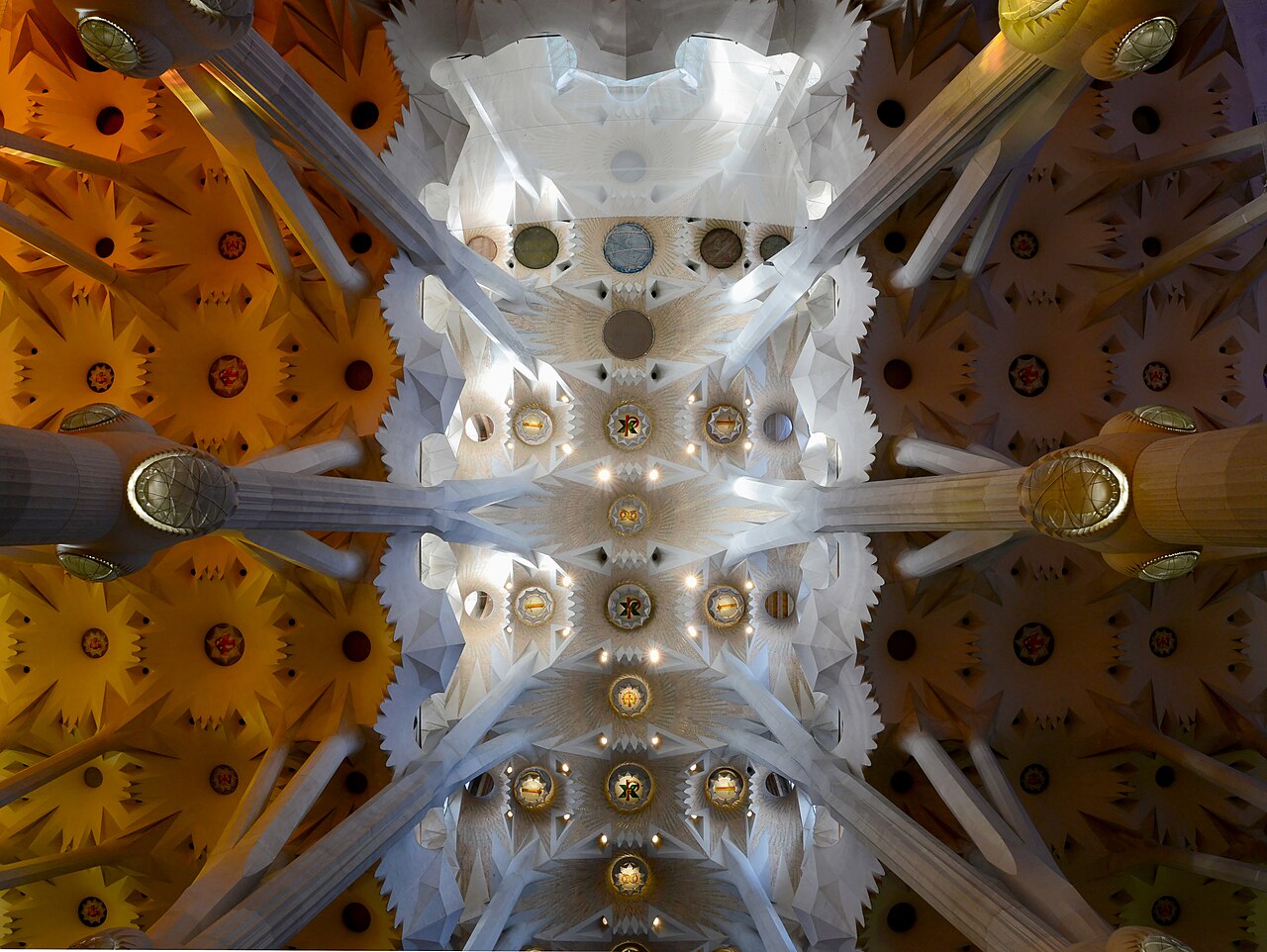
Book the two capped Gaudí properties first and build the rest of the week around them — Park Güell's monumental area admits a maximum of 1,400 visitors per hour, and the Sagrada Família charges EUR 26.00 for base entry or EUR 36.00 including the towers, so these are the two decisions that fix your itinerary.
The answer, with local context
UNESCO inscribed the Works of Antoni Gaudí under criteria (i), (ii) and (iv) — the first of those being the criterion reserved for a masterpiece of human creative genius. That is the reason these buildings are managed the way they are, and the reason a first visit that treats them as walk-up sights goes wrong.
Park Güell is the clearest case. Access has been regulated since 2013 to prevent overcrowding. The monumental area covers 12 hectares (about 30 acres) of inscribed World Heritage ground, with a further 8 hectares (about 20 acres) of adjacent woodland outside it. There are nine entry points: four for neighbors only, four shared between residents and visitors, and one exit onto carrer Olot. From 9:30 a.m. to 5:30 p.m. the shared entrances carry visitor traffic; 7 a.m. to 9:30 a.m. and 6 p.m. to 10 p.m. are reserved for local residents. The park authority names the specific places where crowds build and waits happen — Plaça de la Natura, the Hypostyle Room, the Laundry Room Portico, the Dragon Stairway and the Austria Gardens.
The Sagrada Família's two price tiers are a genuine choice rather than an upsell. The EUR 10 difference between base entry and tower access buys a lift ride and a descent on foot, and the towers are the part of the building most likely to be withdrawn at short notice. Residents of six named neighborhoods adjoining Park Güell — La Salut, Vallcarca i els Penitents, El Coll, Can Baró, Baix Guinardó and El Carmel — can apply for a free-access card, which tells you something useful: this is a working city park with a World Heritage site inside it, not a monument with a park attached.
Picture the place
Park Güell sits on a hillside above the city, and the serpentine terrace is built as the roof of the hall beneath it, so the floor you stand on to look at Barcelona is the ceiling of the columned room you walked through to get there.
The easily missed detail
The resident time slots are the single most useful fact in Park Güell's regulations. Between 5:30 p.m. and 6 p.m. the visitor window closes and the residents' window has not yet opened, which means the last scheduled visitor entries of the day are the thinnest. Nine entrances also means the queue you join is not the only queue, and four of them will not admit you at all.
A practical rhythm
- First booking — Park Güell, chosen by slot rather than by day, with the 1,400-per-hour ceiling in mind.
- Second booking — The Sagrada Família, deciding base entry or towers before you book rather than at the gate.
- Unbooked time — The 8 hectares of woodland beside the monumental area, which sits outside the inscribed zone and outside the ticket.
What could complicate the plan
Tower access at the Sagrada Família depends on conditions and can be suspended, and a ticket bought at the higher tier is bought in advance of knowing that. Park Güell's high-concentration points mean a slot ticket guarantees entry to the park, not an unqueued look at the Dragon Stairway. Spain's State Department advisory asks visitors to exercise increased caution due to terrorism and civil unrest, which in practice bears most on crowded heritage sites and the transport serving them.
What to do next
The when-to-visit question in this chapter gives the opening-hour calendar these bookings have to fit inside; the food question covers where to eat between them.
Sources
- Park Güell (Ajuntament de Barcelona) — hourly cap, hectares, entry points, resident time slots, named congestion points
- Basílica de la Sagrada Família — base and tower admission prices
- UNESCO World Heritage Centre, Works of Antoni Gaudí — inscription criteria
- U.S. Department of State, Spain travel advisory — advisory wording