Bocas del Toro / Panama Things to do
What are the most worthwhile things to do in Bocas del Toro on a first visit?
The short answer
Take the classic boat circuit to Dolphin Bay, Cayo Coral and Red Frog Beach, spend a day inside Isla Bastimentos National Marine Park at the Zapatilla Cays, and walk out to Starfish Beach and Bluff Beach on Isla Colón.
The answer, with local context
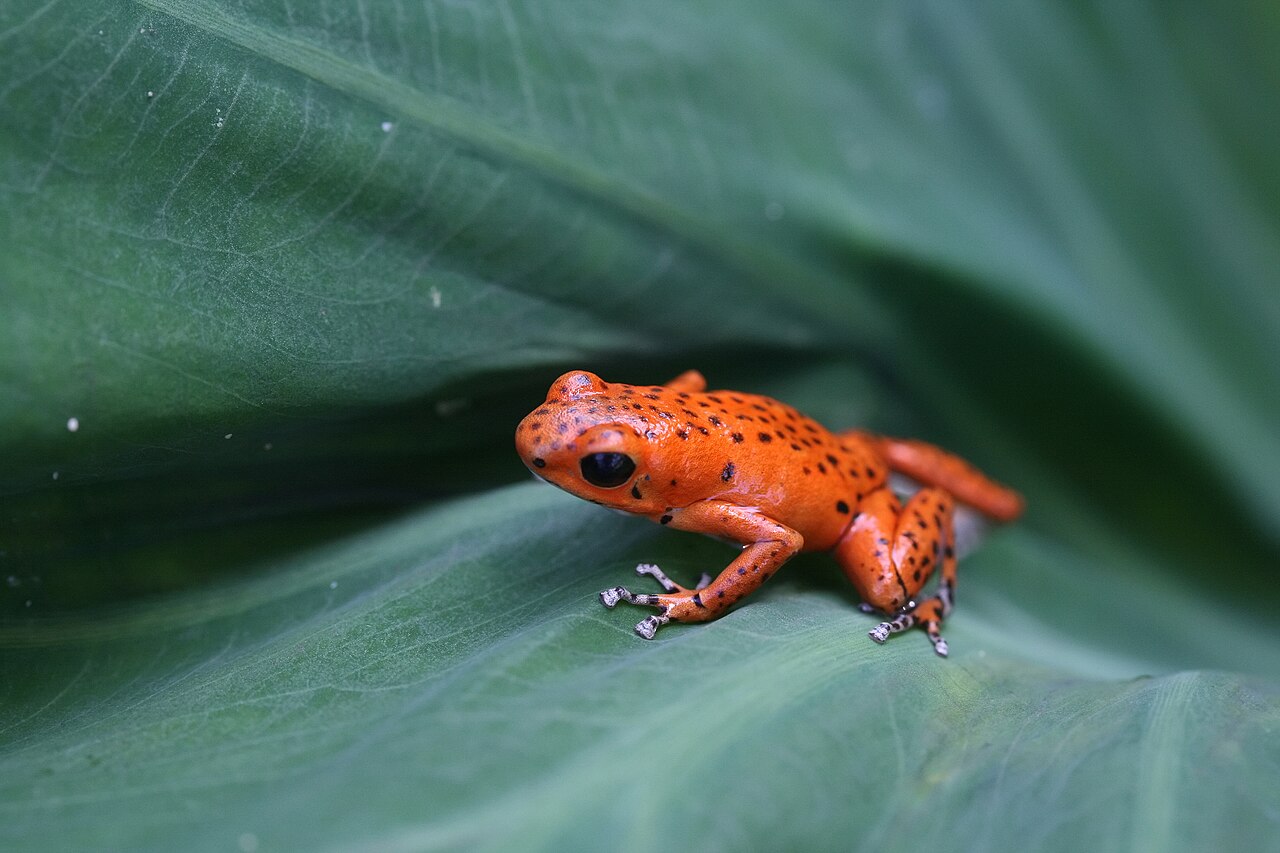
Bocas is an archipelago you experience from a boat, and the essential first trip is the circuit every Bocas Town operator runs: out across the lagoon to Dolphin Bay, a mangrove-sheltered bay off Isla San Cristóbal where a resident population of bottlenose dolphins feeds year-round, then to snorkeling at Cayo Coral or Crawl Cay over shallow coral gardens, lunch at an overwater restaurant, and a beach stop at Red Frog Beach on Isla Bastimentos. Red Frog is named for the strawberry poison-dart frog (Oophaga pumilio), a thumb-nail-sized red frog whose local Bastimentos form is orange-red; the beach sits a short jungle path from the dock, within earshot of howler monkeys.
The second day belongs to the protected area. Isla Bastimentos National Marine Park, created in 1988 as Panama's first national marine park, covers 13,226 hectares (32,682 acres) of Bastimentos Island and surrounding sea, and its showpiece is the Cayos Zapatilla — two uninhabited white-sand cays whose name ("little shoes") comes from their footprint-like shape seen from the air. The reefs around the cays are the archipelago's best snorkeling, and the beaches are nesting ground for hawksbill and leatherback turtles, which is why the park charges an entry fee and prohibits camping and fires there. On Isla Colón itself, ride a bus or bike to Boca del Drago and walk the shore path to Starfish Beach (Playa Estrella), a glassy, waist-deep flat scattered with cushion sea stars, then contrast it with Bluff Beach, 3 miles of wild, wave-pounded sand on Colón's exposed east coast — turtle-nesting beach from about March to September and a serious surf break in season, but never a swimming beach.
The park's price and its access rules are both published. MiAmbiente charges B/.10 for a foreign visitor arriving by sea and B/.4 for a Panamanian or resident, payable before you board rather than on the sand, under Law 41 of 1998 and Resolution DM-0013-2024 — a charge the ministry says has applied in some form since 1996. The two cays are not treated alike: visits to Cayo Zapatilla 1 are restricted and regulated to protect nesting carey, the hawksbill turtle, while Cayo Zapatilla 2 stays open to anyone who keeps to the conditions posted at the landing. Ask which cay your boatman means before you pay for the day.
Round out a first visit with the culture the water hides. Old Bank, the Afro-Caribbean town on Bastimentos, is the archipelago's oldest community, where many residents speak Guari-guari, an English-based creole; guided walks and chocolate tours run from here toward the Ngäbe cacao farms on the mainland shore at Almirante, where cacao is still fermented and dried by hand. Surfers should time a session by level: gentle Playa Paunch for lessons, heavy Silverbacks reef off Bastimentos only for experts.
Picture the place
On the Zapatilla cays there is nothing between you and the horizon but reef: a ring of sand no bigger than a couple of football fields, coconut palms leaning over water so clear the coral heads cast shadows on the bottom.
The easily missed detail
The famous red frogs are not one frog at all: Oophaga pumilio is a single species that has split into dramatically different color forms across the archipelago — red on Bastimentos, blue-jeans red-and-blue on the mainland, green and yellow forms on other islands — making Bocas del Toro a textbook case of evolution in action that biologists travel here specifically to study.
A practical rhythm
- Day one, the classic circuit — Dolphin Bay, Cayo Coral snorkeling and Red Frog Beach on one boat booking from Bocas Town
- Day two, the park — Give the Zapatilla Cays a full day inside Bastimentos National Marine Park rather than a rushed stop
- Day three on Colón — Bus to Boca del Drago for Starfish Beach in the morning, Bluff Beach for sunset, keeping out of its surf
What could complicate the plan
Standard boat tours compress the circuit into fixed stops with set lunch spots, and dolphins are wild animals — reputable operators keep their distance and never chase or feed them, which means sightings are close but not guaranteed theatrical. The Zapatilla trip crosses open water and is cancelled in rough weather, Starfish Beach's stars must never be lifted out of the water (it can kill them), and Red Frog's path can be muddy enough after rain to need real shoes.
What to do next
Stay in Bocas Town, book the circuit for day one and the Zapatillas for the next calm day, and hire the Old Bank chocolate and culture walk for a land day.
Sources
- Panama Ministry of Environment (MiAMBIENTE) — Isla Bastimentos National Marine Park, created 1988 as the country's first national marine park, 13,226 hectares
- Bocas del Toro Research Station, Smithsonian Tropical Research Institute — archipelago biodiversity including the color forms of Oophaga pumilio and Dolphin Bay's resident bottlenose dolphins
- Panama Tourism Authority (ATP) — Zapatilla Cays as turtle-nesting beaches within the park, with entry rules
- Visit Panama — Bluff Beach turtle nesting season and the Isla Colón beaches at Boca del Drago and Playa Estrella
- Ministry of Environment of Panama (MiAmbiente) — the B/.10 foreign and B/.4 national entry charge for arrivals by sea under Law 41 of 1998 and Resolution DM-0013-2024, in force in some form since 1996, and the restricted access to Cayo Zapatilla 1 for hawksbill nesting