Bocas del Toro / Panama When to visit
When should I visit Bocas del Toro, Panama, for the best experience?
The short answer
Go in September or October for the archipelago around Isla Colón and Bastimentos, when Bocas del Toro's little Caribbean summer — the veranillo — brings the calmest, clearest water of the year.
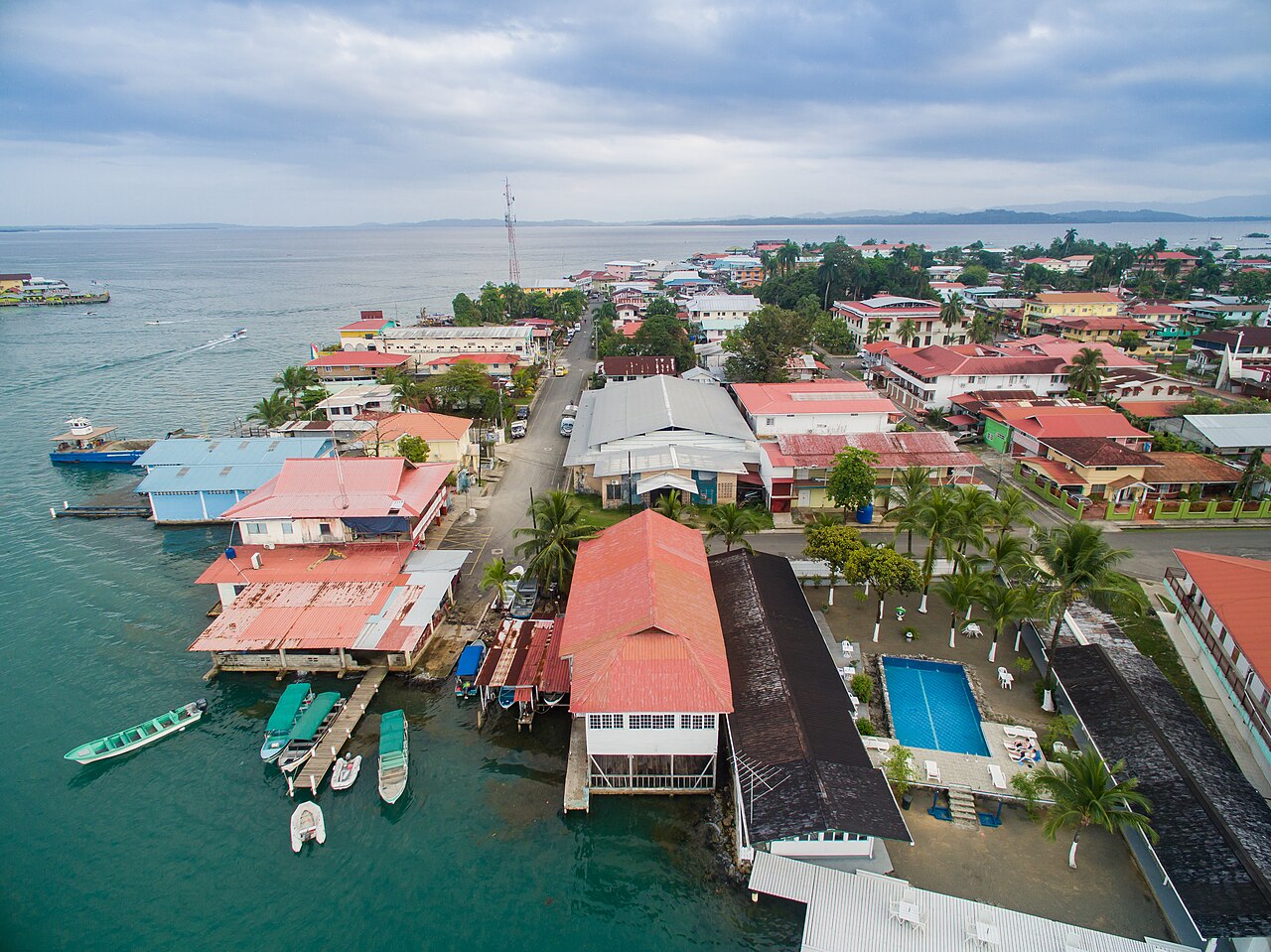
The answer, with local context
Bocas del Toro, an archipelago of nine main islands and more than 200 smaller cays on Panama's Caribbean coast near the Costa Rican border, refuses to follow the calendar the rest of the country uses. Panama City and the Pacific side dry out from December to April, but the Caribbean slope has no true dry season — it rains in every month. What Bocas has instead are two lulls: a first around February and March, and a second, stronger one in September and October, when the trade winds drop, the lagoon inside the reef goes flat, and snorkeling and diving visibility peaks at roughly 30 to 65 feet. The sea is bathwater year-round, between about 81°F and 86°F (27–30°C), and October is its warmest month.
Which window suits you depends on which Bocas you want. For the sheltered side — Bocas Town on Isla Colón, the boat trips to the Zapatilla Cays and Dolphin Bay, Starfish Beach at Boca del Drago — September and October are the connoisseur's months: calm crossings, clear reef water, the year's lowest prices and thin crowds, because the rest of Panama is at its wettest then. For the exposed side — the surf beaches at Bluff Beach on Colón and Wizard Beach on Bastimentos — the season runs the other way: North Atlantic winter swells arrive from about December to March, peaking in January and February, and the same months are the islands' busiest and priciest.
The month to avoid for a beach trip is November, statistically the wettest of the year in the archipelago, when crossings get choppy and river runoff clouds the bays. One comfort applies all year: at about 9 degrees north, Bocas del Toro sits south of the Caribbean hurricane belt, so while rain is a constant possibility, hurricanes are not a realistic planning factor the way they are in Belize or the northern Caribbean.
Picture the place
In the September lull the water over the Cayo Coral gardens is so still that from the boat you can count the parrotfish on the coral heads below, and the usual green chop between Isla Colón and Bastimentos flattens into a sheet of hammered turquoise.
The easily missed detail
The veranillo is counterintuitive enough that most visitors never hear of it: September and October are the best months in Bocas del Toro precisely when they are the worst months almost everywhere else in Panama — the Pacific's rain peak. Travelers who bolt Bocas onto a Panama City trip in those months routinely assume the whole country is washed out, when the islands are in fact at their finest.
A practical rhythm
- Choose your Bocas first — Pick September–October for snorkeling, dolphins and calm boat days, or January–February if surfing is the point
- Front-load the boat trips — Schedule the Zapatilla and Cayo Coral outings in your first calm days; island weather turns quickly even in the lull
- Pack for a shower anyway — Carry a light rain layer in every month; the lull cuts the rain, it does not abolish it
What could complicate the plan
September and October are low season, so some Bocas Town restaurants and tour operators cut hours or close for maintenance, and the smallest out-island lodges may run on skeleton staff. The February–March window collides with Carnival and Panama's holiday weekends, when water taxis queue and rooms on Isla Colón sell out. And even in the lull, a heavy mainland downpour can send silt into the lagoon and spoil visibility for a day. The national advisory is worth reading before any booking: the country sits at Level 2, exercise increased caution, for crime and potential civil unrest, and two coastal zones carry Level 4 do-not-travel status — parts of the Mosquito Gulf, defined as within 10 miles of the coastline from Boca de Rio, Chiriquí to Coclé del Norte, and parts of the Darién region on the Colombian border.
What to do next
Book September dates on Isla Colón or Bastimentos, and put the farthest boat trips — the Zapatillas and Cayo Coral — at the start of the stay.
Sources
- Panama Tourism Authority (ATP) and Visit Panama — Bocas del Toro's Caribbean climate, with drier, calmer spells in February–March and September–October
- SENAMHI / ETESA hydrological and climate data for the Panamanian Caribbean — rain in every month, November among the wettest, sea temperatures 27–30°C
- Bocas del Toro surf reporting — main North Atlantic swell season December to March, peaking January and February, with a smaller June–August window
- NOAA hurricane climatology — Panama's Caribbean coast lying south of the Atlantic hurricane belt
- US Department of State, Panama travel advisory — "Level 2: Exercise Increased Caution" for Panama due to crime and potential for civil unrest, issued 23 September 2024, and the Level 4 do-not-travel zones in parts of the Mosquito Gulf within 10 miles of the coastline from Boca de Rio, Chiriqui to Cocle del Norte and in parts of the Darién (retrieved 5 November 2026)