Bogotá / Colombia Food and drink
Where should I eat in Bogotá, and which local food or drink is worth trying?
The short answer
Eat ajiaco in a district market hall — the Instituto Distrital de Turismo named the version sold at the La Perseverancia market the city's best in 2017, and Bogotá's public markets are run by the district, not by private landlords.
The answer, with local context
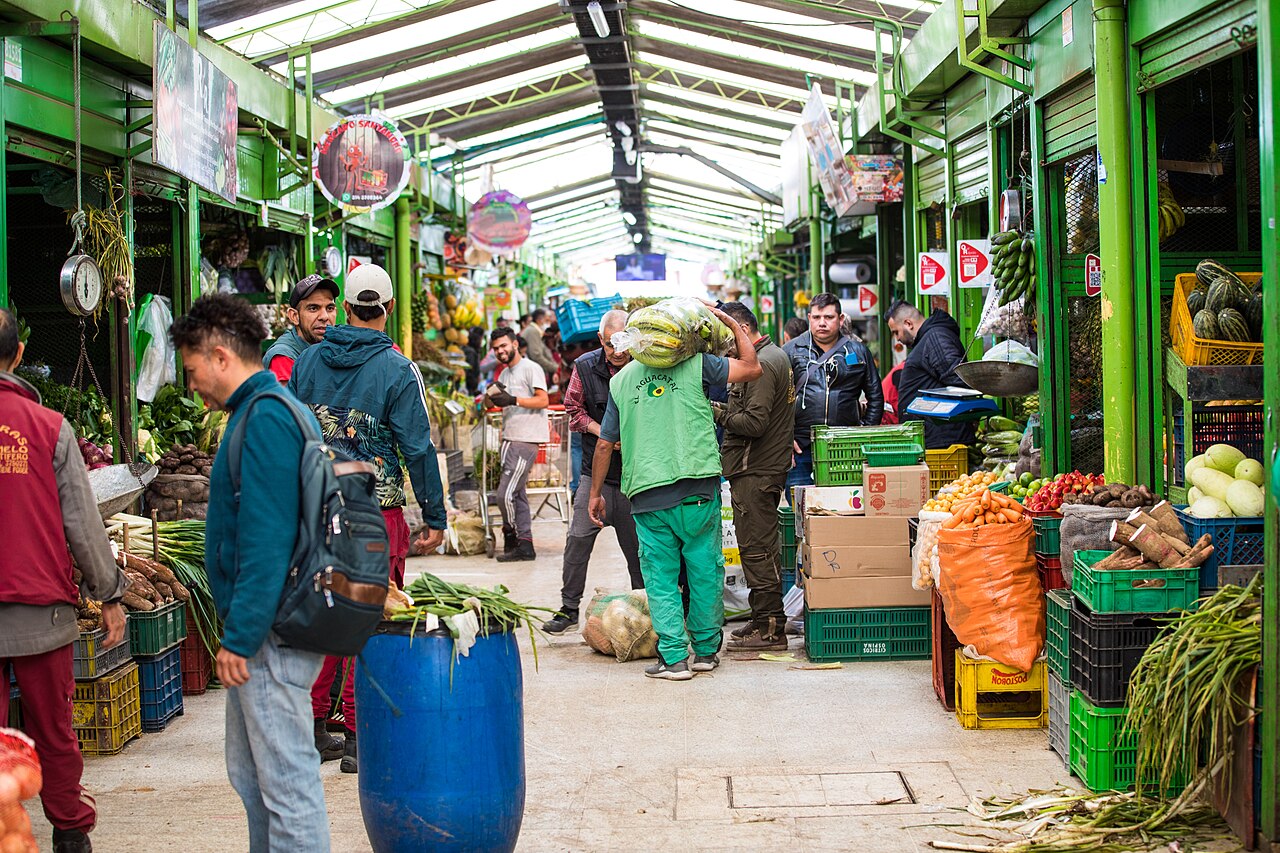
Bogotá's market halls are municipal infrastructure. The Instituto para la Economía Social, IPES, implements the district strategy for them, while individual merchants hold the stalls and private operators run the restaurants inside. The halls worth a meal are spread across the city rather than clustered: Paloquemao in Los Mártires, La Perseverancia in Santa Fe, La Concordia in La Candelaria, the Plaza de 20 de Julio in San Cristóbal, plus Quirigua and Las Ferias. Several have grown restaurant rows alongside the produce stalls, serving everything from Italian plates to Mediterranean small plates to chicken and pork.
Ajiaco is the dish to come for — a chicken, potato and corn soup finished with capers, cream and avocado, and the one plate that reads as specifically bogotano rather than broadly Colombian. The 2017 award to a stallholder at La Perseverancia is a useful marker precisely because it came from the city's own tourism institute rather than from a magazine.
The other thing to drink is the coffee, and its legal standing is unusually well documented. The World Intellectual Property Organization records that formal European recognition of Café de Colombia as a protected geographical indication became official in September 2007, and that around 560,000 people work in the Colombian coffee industry. That is the designation behind the cup, and Bogotá is where most visitors meet it first.
Picture the place
Paloquemao and La Perseverancia are working halls rather than food courts: produce, flowers and butchery under the same roof as the cooked-food counters, with the eating happening on stools at the edge of the trade rather than in a separate dining room.
The easily missed detail
Because IPES runs the district markets as an economic-inclusion programme, the restaurants and stalls inside them are small independent businesses rather than concessions, and the mix changes. The institutional fact is durable — the district operates these halls — while any individual stall is not, which is the honest way to use a 2017 award: as a pointer to the hall, not a guarantee about the cook.
A practical rhythm
- Morning — Markets are produce-first early. Paloquemao is the big one and the busiest at that hour.
- Lunch — Ajiaco is a lunch dish in Bogotá, and La Perseverancia in Santa Fe is the hall most associated with it.
- Afternoon — Coffee, carrying a protected geographical indication in Europe since September 2007.
What could complicate the plan
The CDC's food and water guidance is specific about drinks rather than dishes: avoid ice unless you are reasonably sure it was made from safe water and ask for drinks without it, treat fountain drinks and anything mixed with tap water as potentially unsafe, and note that alcohol content does not kill pathogens in ice made from contaminated water. Sealed cans and bottles of carbonated drinks, water and pasteurized beverages are generally safe, and the outside should be wiped and dried before drinking from it. The CDC also warns that tap water safe enough to drink is still not sterile. Separately, the market halls keep their own holiday hours, and the district has published separate Easter Week and December schedules for them — so a public-holiday visit needs checking rather than assuming.
What to do next
The things-to-do question in this chapter covers the Gold Museum's hours and admission, and the seasonal question gives the city's temperature figures and festival calendar.
Sources
- Alcaldía Mayor de Bogotá and Instituto para la Economía Social (IPES) — district operation of the market halls, named markets and their localities, the 2017 Instituto Distrital de Turismo ajiaco award, holiday schedules
- World Intellectual Property Organization — September 2007 European protected geographical indication for Café de Colombia, approximately 560,000 people employed in the industry
- CDC Yellow Book 2026, Food and Water Precautions for Travelers — ice and beverage guidance, sealed container advice, tap water sterility