Cape Town / South Africa Things to do
What are the most worthwhile things to do in Cape Town on a first visit?
The short answer
Visit Table Mountain, tour UNESCO-listed Robben Island, and explore Kirstenbosch National Botanical Garden, then add the Bo-Kaap neighborhood or the Boulders penguin colony for a different perspective on the Cape.
The answer, with local context
Table Mountain is the city’s defining geographical landmark, but its natural significance reaches far beyond the summit views. The Cape Peninsula forms part of the Cape Floral Region, whose protected areas entered UNESCO’s World Heritage List in 2004 under natural criteria (ix) and (x). The property was expanded in 2015, with a further minor boundary modification approved in 2025. UNESCO identifies the region’s fynbos vegetation and unusually high plant endemism as major reasons for its global importance. Nearly 69% of the region’s estimated 9,000 plant species are endemic. The protected landscape is therefore a biodiversity destination as well as a scenic one. UNESCO World Heritage Centre
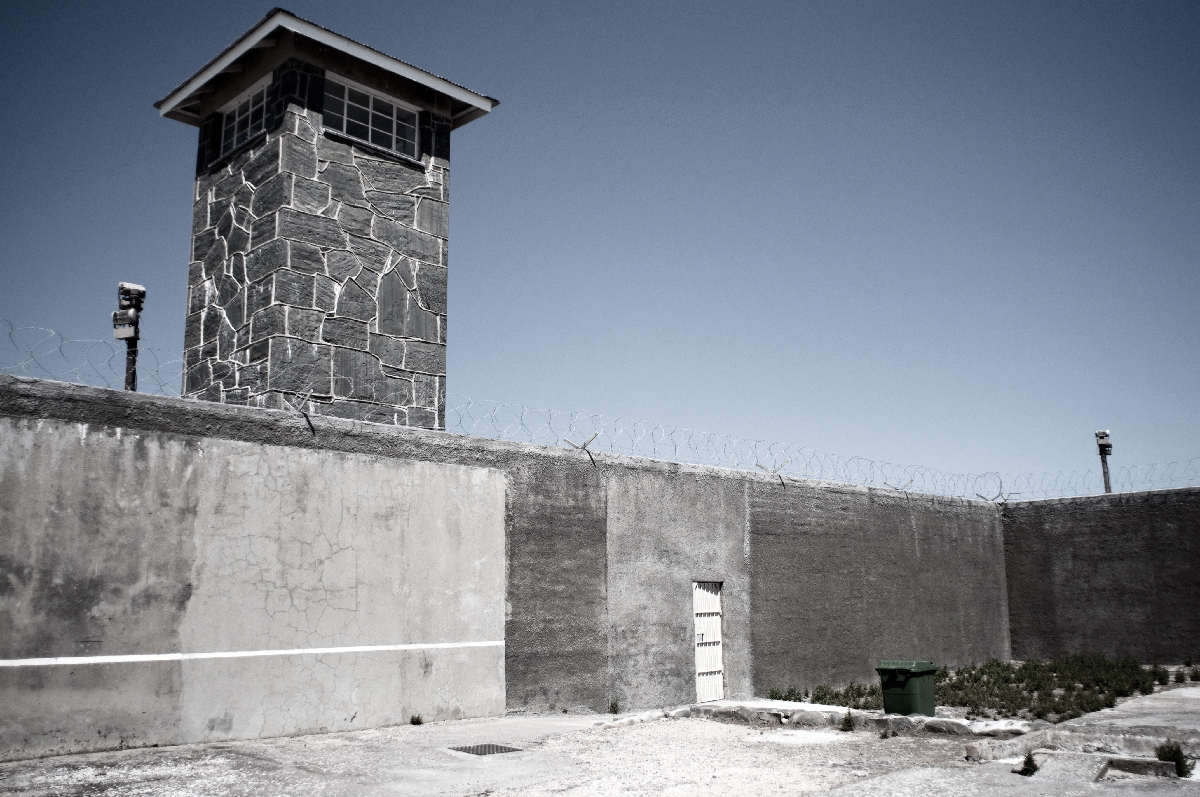
Robben Island tells a different story. UNESCO inscribed the island in 1999, under cultural criteria (iii) and (vi), recognizing its history of imprisonment and its association with the struggle against apartheid. The island has served as a prison, hospital, and military installation at different periods. Its heritage includes an apartheid-era maximum-security prison, former quarries, wartime structures, and older settlement buildings. The Robben Island Museum’s standard visitor tour takes approximately 3½ to 4 hours, including two ferry journeys that can last 30–60 minutes each, depending on the vessel. Boats depart from the Nelson Mandela Gateway at the V&A Waterfront. UNESCO World Heritage Centre +2
Kirstenbosch National Botanical Garden introduces the Cape’s plant life through a cultivated setting on the eastern slopes of Table Mountain. The South African National Biodiversity Institute records that the government set aside the Kirstenbosch estate for a national botanical garden in May 1913, and the estate formally passed to its board of trustees on July 1, 1913. Its establishment was closely associated with botanist Harold Pearson, who became its honorary director.
For wildlife, Boulders Penguin Colony lies near Simon’s Town on the peninsula. SANParks dates the colony’s establishment to 1983. The protected area supports African penguins, and the organization identifies it as a designated conservation-fee site within Table Mountain National Park. Boulders also has a no-take marine protection rule, meaning visitors may not remove marine organisms. Alcohol and smoking are prohibited within the managed beach area. SANBI +1
Picture the place
Cape Town’s physical setting moves from granite boulders and sheltered beaches to steep mountainsides and low, fine-leaved fynbos. Robben Island lies offshore across Table Bay, separated from the city’s waterfront by an exposed stretch of water.
The easily missed detail
Robben Island is not a place to visit independently by taking an ordinary passenger ferry. The museum operates structured tours, with ferry travel and heritage interpretation forming a combined experience. Its published guidance also states that there are no restaurants on the island, only a small shop offering snacks and drinks. This changes how visitors should schedule the day.
A practical rhythm
- First morning — Table Mountain: Reach the summit by the official cableway or use an appropriate marked walking route.
- Another half-day — Robben Island: Allow the full museum tour period rather than treating the island as a short harbor cruise.
- Peninsula day — Kirstenbosch and Boulders: Explore the botanical garden before traveling farther south toward the penguin colony.
What could complicate the plan
Robben Island ferry operations depend on sea conditions, and tour places are limited. The museum accepts digital or printed tickets. Boulders has limited parking during busy summer periods, while its available beach area changes with the tide. Wildlife protection rules apply throughout the colony. Some peninsula attractions also require different admission fees or permits, even though they form part of the same wider national park.
What to do next
explains Cape Town’s seasonal rainfall pattern. explores the city’s distinctive culinary history, particularly the Cape Malay traditions around Bo-Kaap.
Sources
- UNESCO World Heritage Centre, Cape Floral Region Protected Areas — inscription history, criteria, biodiversity, and endemic plants.
- UNESCO World Heritage Centre, Robben Island — inscription, heritage significance, and historical uses.
- Robben Island Museum, Visitor FAQ — tour duration, transport, facilities, and ticket rules.
- South African National Biodiversity Institute, Kirstenbosch History — founding dates and administration.
- SANParks, Boulders Penguin Colony — colony history, conservation rules, and facilities.