Cape Town / South Africa Food and drink
Where should I eat in Cape Town, and which local food or drink is worth trying?
The short answer
Begin in Bo-Kaap with Cape Malay bobotie or denningvleis, then seek a gatsby sandwich in a neighborhood takeaway and a spiced koesister at a local bakery.
The answer, with local context
Bo-Kaap lies beneath Signal Hill and is one of Cape Town’s oldest surviving residential neighborhoods. Its origins reach back to the 1760s, when rental houses were constructed for people brought to the Cape through colonial systems of slavery and exile. The neighborhood became closely associated with Cape Town’s Muslim and Cape Malay communities. Its food traditions include spiced rice, curries, savory pastries, meat stews and distinctive sweets.
Bobotie combines seasoned minced meat with a baked egg-based topping and is commonly served with yellow rice. Denningvleis uses lamb cooked with a sweet-and-sour flavor, traditionally associated with tamarind and spices. Tomato bredie is a different preparation, relying on a slow-cooked combination of meat and tomatoes. Cape Town Tourism identifies Biesmiellah, near Wale and Pentz Streets, as a halal restaurant offering dishes such as bobotie, denningvleis and tomato bredie. It also documents Bo-Kaap Kombuis at 7 August Street as another kitchen serving regional food.
The neighborhood’s culinary history is also preserved institutionally. Iziko Museums describes the Bo-Kaap Museum as a house dating from the mid-18th century. It became a National Monument in 1965, was restored during the 1970s, and opened as a museum in 1978. Its interpretation includes the life of a 19th-century Muslim family. That connection between household life, community traditions and food makes the area particularly meaningful for a culinary visit.
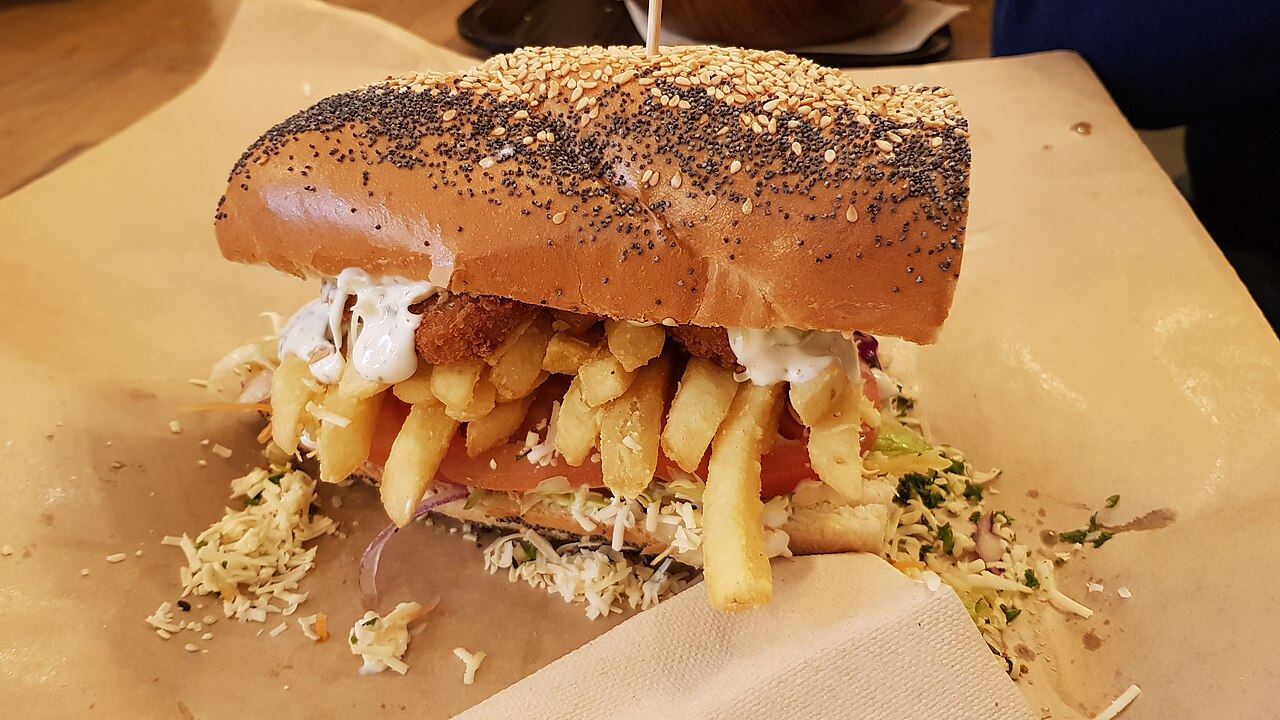
A gatsby introduces the city’s takeaway culture rather than Cape Malay home cooking. Cape Town Tourism traces the sandwich’s origin to Athlone in 1974, crediting Rashaad Panday of Super Fisheries. It uses a large bread roll with chips and fillings such as steak, chicken, fish or calamari, often accompanied by vegetables and sauces. The size makes it suitable for sharing.
For something sweet, distinguish a Cape Malay koesister from a koeksister. The former is usually a spiced, oval-shaped fried dough preparation; the latter is a plaited pastry soaked in syrup. The City of Cape Town’s Bo-Kaap living-heritage research identifies koesisters, spices, family businesses and local cooking traditions as important parts of the neighborhood’s cultural identity.
Picture the place
Bo-Kaap’s brightly painted terraced houses stand along narrow, sloping streets. At the table, golden bobotie and its egg topping contrast with dark, slow-cooked meat sauces. A gatsby arrives as an unusually large filled roll rather than an individual sandwich.
The easily missed detail
Bo-Kaap is a living residential community, not a purpose-built restaurant precinct. Cape Town designated the area a heritage protection overlay zone in 2019, with the City Council approving its protection on March 28. Its cultural value includes the architecture and continuing community life, so a food visit should be organized around operating restaurants and public streets rather than treating private homes as attractions.
A practical rhythm
Lunch — Bo-Kaap: Order bobotie or denningvleis at a restaurant with a documented Cape Malay menu.
Afternoon — Bakery and museum: Try a koesister and explore the history represented at the Bo-Kaap Museum.
Evening — Local takeaway: Share a gatsby at a neighborhood shop, preferably in or around Athlone, where the sandwich originated.
What could complicate the plan
Halal preparation does not mean a dish is vegetarian. Bobotie usually contains meat and egg, while gatsby fillings can include meat, fish, wheat bread and multiple sauces. Some neighborhood restaurants operate around prayer and religious observances. The city’s heritage-protection rules also reflect Bo-Kaap’s status as a residential district rather than an unrestricted tourism zone.
What to do next
places Bo-Kaap within a wider Cape Town heritage itinerary. covers the seasonal conditions for exploring its hilly streets.
Sources
- Cape Town Tourism, Bo-Kaap — neighborhood origins, cultural background and location.
- Cape Town Tourism, Biesmiellah Restaurant — restaurant and dishes.
- Cape Town Tourism, Gatsby Guide — sandwich origin and fillings.
- Iziko Museums, Bo-Kaap Museum — building history, museum establishment and cultural significance.
- City of Cape Town, Bo-Kaap Heritage Protection — designation and 2019 decision.
- City of Cape Town, Strand Street Quarry Living-Heritage Report — local food practices and family businesses.