Denmark country guide Trip planning
How can I plan a memorable first trip to Denmark without rushing?
The short answer
Ten days, west to east across the fixed links — the Great Belt crossing opened to rail in 1997 and to road in 1998, and the Øresund Bridge opened on 1 July 2000, which together turned an island country into a single drivable line.
The answer, with local context
Denmark is Jutland plus a scatter of islands, and before the fixed links a cross-country trip meant ferries. Now Jutland, Funen and Zealand are connected by road and rail without a sailing, and Zealand connects onward to Sweden across the Øresund. The practical route for a first visit runs from Jutland through Funen to Zealand and finishes in Copenhagen, or the reverse if you fly into the capital.
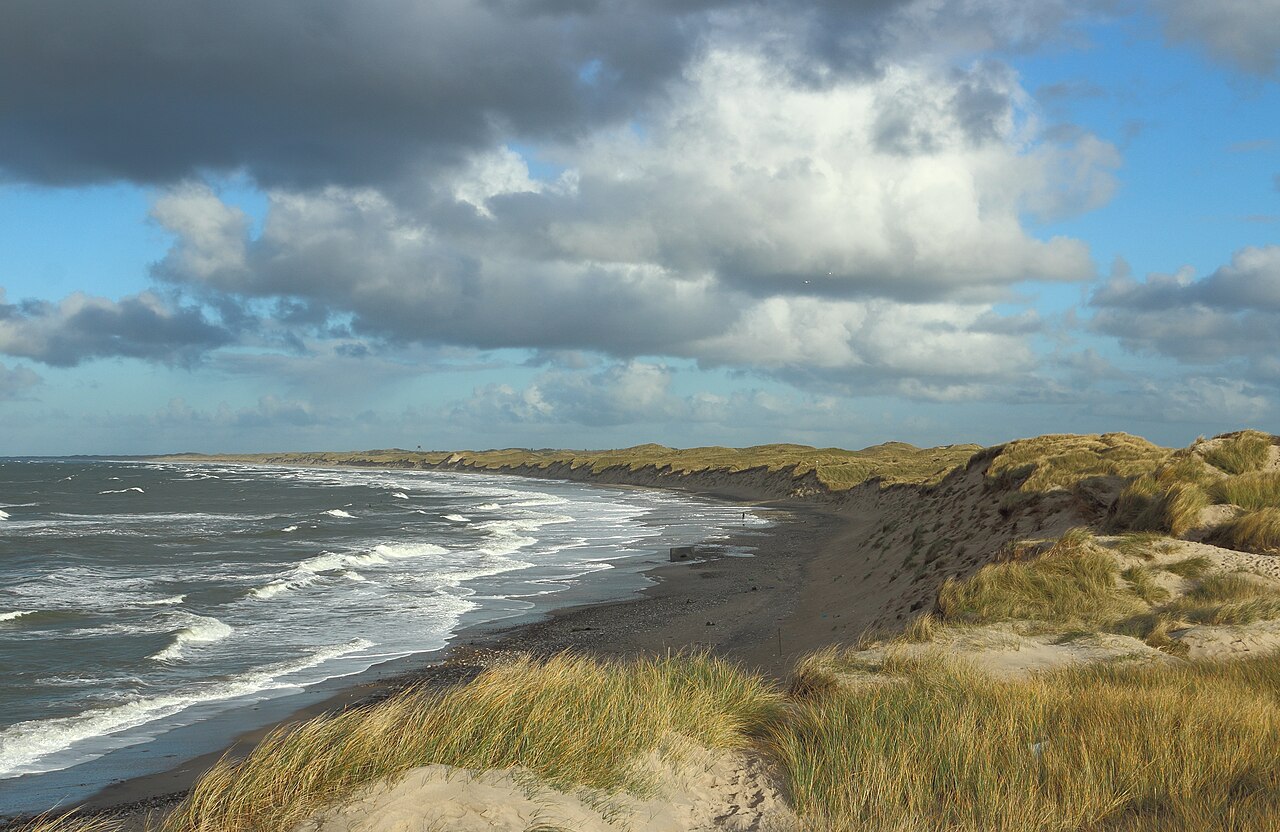
Ten days divides cleanly into three. Four nights in Jutland covers the Viking and Moravian sites, the Wadden Sea coast and the north; two nights on Funen breaks the journey; four nights on Zealand gives you Copenhagen plus the heritage sites north and west of it. Distances are modest by continental standards — Copenhagen to the northern tip of Jutland is around 300 miles — but Danish roads and trains are not fast enough to make that a day trip.
Money and documents are straightforward and worth getting right. Denmark has kept the Danish krone, and Danmarks Nationalbank operates a fixed-exchange-rate policy against the euro, so prices are stable in euro terms but euro cash is not legal tender. Cards are accepted almost everywhere, including on buses and at unstaffed sites.
Picture the place
Crossing the Great Belt, the road runs low and level across open water for several miles before lifting onto the suspension span, with no land on either side — the one stretch of a Danish road trip where the sea, not the farmland, is the whole view.
The easily missed detail
Since 10 April 2026 the EU's Entry/Exit System has been fully operational and has replaced passport stamping for non-EU short-stay travelers, registering a name, travel document data, fingerprints, a facial image and the date and place of each entry and exit, and flagging overstays from that record. Short stays are limited to 90 days in any 180-day period across the 29 participating countries. For a Denmark-and-Sweden trip over the Øresund Bridge there is no border formality between the two, so the allowance is consumed by both halves equally.
A practical rhythm
- Days 1 to 4 — Jutland, from the Wadden Sea coast up to the north; this is the half of Denmark most visitors skip entirely.
- Days 5 to 6 — Funen, using the post-1998 Great Belt road link so the crossing is part of the itinerary rather than a delay.
- Days 7 to 10 — Zealand and Copenhagen, with the option of crossing the 2000-opened Øresund Bridge to Malmö for a day.
What could complicate the plan
The fixed links are tolled, and that cost is easy to leave out of a self-drive budget. Danish daylight is the real constraint on how much of this route works: an October or February version of the same ten days has far fewer usable hours at each stop. And the 90-in-180 rule applies to the whole Schengen area rather than to Denmark alone, so a Scandinavian circuit through Sweden and Norway draws on the same allowance.
What to do next
See the Denmark when-to-visit question in this group for the daylight and sunshine figures that decide the length of each day, and the Denmark places-and-experiences answer for what to stop for along the route.
Sources
- European Commission, Entry-Exit System — EES data registered, replacement of passport stamping, 29 participating countries and 10 April 2026 full operation
- Romanian Border Police, official EES announcement — the 90-days-in-180 short-stay limit the system enforces
- Sund & Bælt — opening of the Great Belt Fixed Link to rail in 1997 and to road in 1998
- Øresundsbro Konsortiet — opening of the Øresund Bridge on 1 July 2000
- Danmarks Nationalbank — the Danish krone and the fixed-exchange-rate policy against the euro