Fiji Mamanuca Islands / Fiji Food and drink
Where should I eat in Fiji Mamanuca Islands, and which local food or drink is worth trying?
The short answer
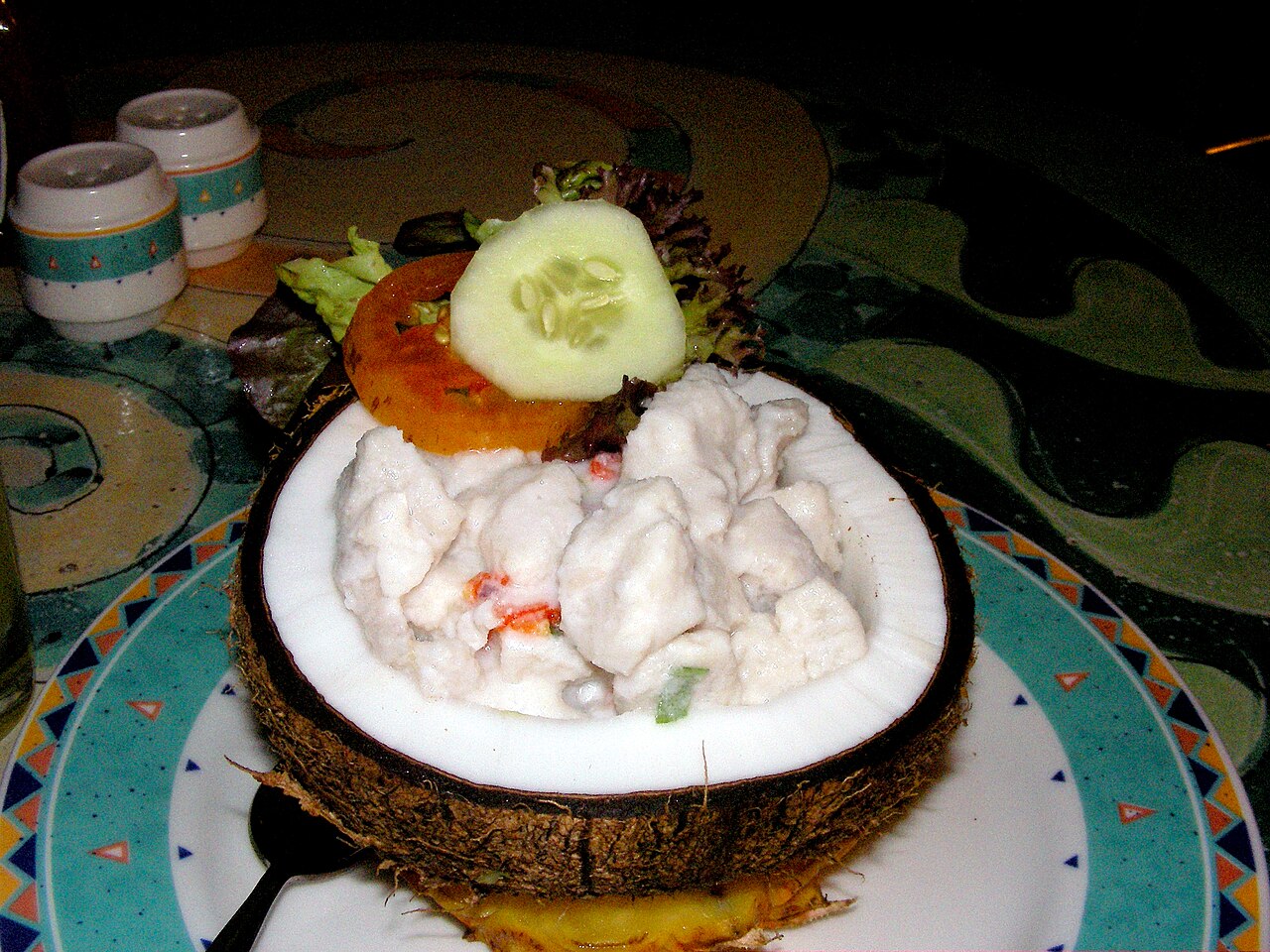
Kokoda — raw fish cured in lime and dressed in coconut cream — eaten in a coconut shell on your island, and a resort lovo night for the full earth-oven feast; then save one evening for Port Denarau, because the widest Fijian table is back on the mainland.
The answer, with local context
In the Mamanucas, geography runs the restaurants: nearly every island is one resort, so most eating is resort eating — buffets, beach cafés and one good à la carte room — and the dishes that matter are the Fijian ones the resorts keep on the menu between the international standards. Across the group the constants are kokoda, ika vakalolo and the weekly lovo night, while variety — Fijian, Indo-Fijian, seafood houses, cafés — concentrates at Port Denarau Marina, 20 minutes from Nadi Airport, where Nadina serves traditional Fijian cooking and the marina strip runs to a dozen restaurants. The resort-buffet economics are national policy as much as menu-writing: agriculture, forestry and fisheries together contribute 8.4 percent of Fiji's GDP and employ 83 percent of rural residents, and the country still imports goods to meet tourism-sector demand — so the Fijian dishes on an island menu are the ones that come from close by.
Kokoda, pronounced koh-kon-DA, is Fiji's essential plate: fresh white fish — walu, the local Spanish mackerel, or mahi-mahi — cut small, cured in lime juice until it firms, then dressed with coconut cream, chilli, onion and tomato, traditionally served in a halved coconut shell or a small tanoa bowl. At a beachside restaurant expect FJ$15–30 (about US$7–13) for the dish; at a resort table it arrives as the starter it has become. Beside it order ika vakalolo, a whole fish poached in coconut cream (lolo) with ginger and chilli, and rourou, taro leaves simmered down in coconut cream like a green, silken spinach — with palusami, taro leaves baked around a coconut-cream filling, as the richer cousin.
The lovo is the feast the week is organized around. Stones are heated in a pit, banana-leaf parcels of pork, chicken, fish, dalo (taro) and cassava go down on them, are covered with leaves and earth, and steam for about three hours; resorts such as Castaway Island stage it as a cultural night with a kava welcome and meke dancing, at roughly FJ$60–130 (about US$27–58) a head for the feast and performance together. The drink of the occasion — of every occasion — is yaqona, kava: the pounded root of Piper methysticum stirred into water in a carved tanoa bowl, earthy, peppery and gently numbing, drunk by ceremony rules a visitor should learn: clap once with cupped hands as your cup is offered, say "bula," drink it in one go, hand it back and clap three times, with a "vinaka" to finish.
Picture the place
At the lovo unveiling the steam comes up out of the pit in a single fragrant cloud as the leaves are pulled back — pork shining, fish whole in its banana leaf, dalo split and smoking — and the resort's whole dining room, barefoot in the sand twenty yards away, goes quiet in the way only food and ceremony together can arrange.
The easily missed detail
The lovo you eat at a resort is a staging of a food Fijians themselves eat only at celebrations — weddings, funerals, New Year — because a three-hour earth oven is a community project, not a dinner. That is the right way to read the resort version: not a theme night but a real feast form, cooked properly, for an audience it would never ordinarily have. Fiji's Indo-Fijian community gave the islands a second everyday cuisine, and the mainland's curry houses, Denarau's included, are the other half of the national table.
A practical rhythm
- Morning — The resort breakfast, then a mainland errand if one is planned: Nadi's market and its cafés are the place for a Fijian-Indian curry lunch at local prices.
- Midday — Kokoda at the beach café, in the shell, with the reef in front of you — the dish is built for the heat of the day.
- Evening — Lovo night on the island when it falls, and one deliberate Denarau evening — Nadina for Fijian, the marina for seafood — before the boat back.
What could complicate the plan
Island eating is captive eating: meal plans are often the sensible purchase, menus repeat over a long stay, and fresh produce reaches the outer islands by the same boats you do, on their schedule. The lovo runs one night a week at most resorts and books as an event, not a whim; and a kava ceremony is a guest's honor with obligations attached — modest dress in a village, the sevusevu gift of yaqona root, and the clapping etiquette are the price of admission.
What to do next
Book the lovo night when you book the room, and put the Denarau dinner on the arrival or departure day, when you are passing the marina anyway. The timing question in this group explains why dry-season evenings make the outdoor feasts reliable.
Sources
- Tourism Fiji — kokoda as Fiji's signature dish, the lovo earth-oven feast, and kava (yaqona) ceremony customs
- International Trade Administration, US Department of Commerce, Fiji Country Commercial Guide — agriculture, forestry and fisheries contributing 8.4 percent of GDP, employment for 83 percent of rural residents, and continued food imports to meet tourism-sector demand (last published 15 May 2026)
- Port Denarau Marina — the marina dining precinct, including Nadina's traditional Fijian restaurant, twenty minutes from Nadi Airport