Galle / Sri Lanka Things to do
What are the most worthwhile things to do in Galle on a first visit?
The short answer
Walk the Galle Fort ramparts, visit the lighthouse and historic churches, and explore the old town's streets and courtyards to understand its distinctive combination of South Asian and European architectural traditions.
The answer, with local context
Galle Fort is a living historic neighborhood rather than an archaeological ruin. Its street grid, residential buildings, places of worship and commercial spaces continue to form part of everyday city life.
The fortified settlement originated during Portuguese rule and was later enlarged under Dutch administration. UNESCO describes its architecture as combining European town-planning principles with South Asian features, including deep verandas, shaded roofs and interior courtyards.
Begin around the Clock Tower and landward fortifications before exploring the narrower streets. The Dutch Reformed Church, also known as Groote Kerk, is a significant reminder of the Dutch colonial period. The building dates to the 18th century.
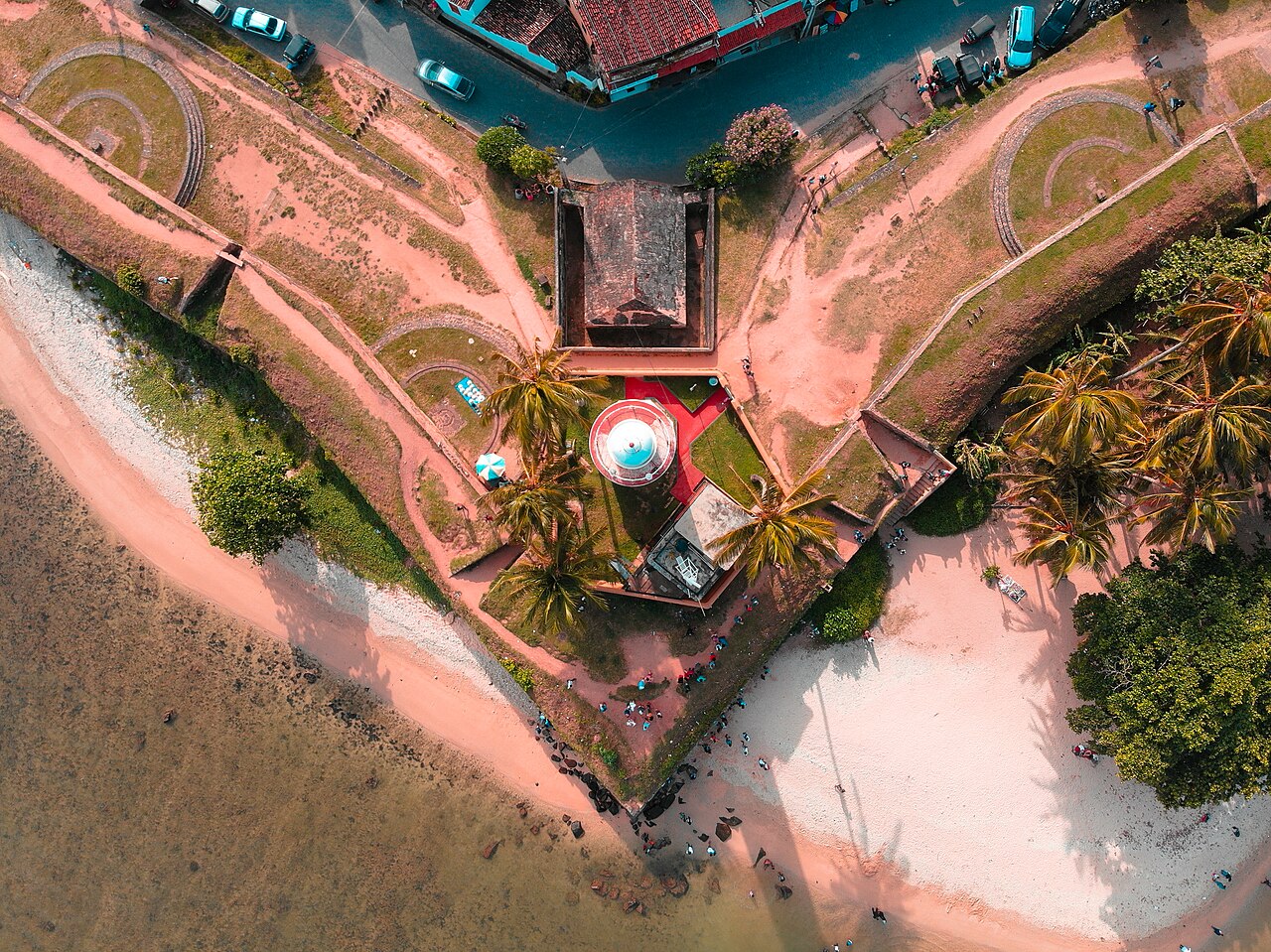
Continue toward the Galle Lighthouse at the southeastern edge of the fort. It is maintained by the Sri Lanka Ports Authority and stands beside the coastal ramparts.
The National Maritime Museum occupies a historic Dutch-period warehouse near the old harbor. Its collections introduce Sri Lanka's maritime commerce and naval history. Sri Lanka's Central Cultural Fund, which runs it as the Maritime Archaeology Museum, dates that warehouse to 1671 and places it directly above the fort's Old Gate — so the building is itself an exhibit, and the walk in passes through the oldest surviving entrance.
UNESCO also notes that the Galle Heritage Foundation was established in 1994 to coordinate conservation among government institutions and other stakeholders. This is important because many buildings inside the fort remain privately owned.
The foundation's record shows where that coordination has landed. It lists the conservation of 55 residential buildings inside the fort in 2008–2009 with Dutch government funding, a rescue conservation of the Dutch Hospital in 2010 carried out with ICOMOS Sri Lanka and the World Monuments Fund, conservation and landscaping of the defense works between 2020 and 2022 jointly with the Department of Archaeology, and the adaptive re-use of the Police Barracks on Church Street in 2022–2023. That sequence is why some stretches of rampart and streetscape look freshly worked and others do not.
Picture the place
Narrow streets lead past shuttered windows and shaded verandas to open stone walls overlooking the sea. The white lighthouse contrasts with the darker stone fortifications.
The easily missed detail
The fort's historical significance extends beyond its military structures. UNESCO specifically recognizes the interaction of Dutch urban planning and local building traditions, including the arrangement of private houses and their courtyards.
A practical rhythm
Morning: Explore the landward bastions, Clock Tower and historic streets.
Midday: Visit the Dutch Reformed Church and maritime heritage buildings.
Late afternoon: Walk toward the lighthouse and coastal ramparts.
What could complicate the plan
Many buildings remain homes, businesses or places of worship. Access to private interiors is not guaranteed, and conservation work may temporarily restrict certain structures.
What to do next
introduces Galle's seafood, rice-and-curry traditions and foods influenced by the island's trading history.
Sources
- UNESCO — fortifications, architecture and continuing urban uses.
- UNESCO — conservation documentation and heritage-management history.
- Wikimedia Commons — documented lighthouse location and administration.
- Central Cultural Fund of Sri Lanka, Galle Museum — the Maritime Archaeology Museum's building date, location above the Old Gate and managing body.
- Galle Heritage Foundation, History — completed conservation projects inside the fort, with their dates and partners.