Guatemala country guide Food and drink
What local dishes should I try in Guatemala, and where should I look for them?
The short answer
Try fiambre in November, the heritage stews — pepián, kak'ik, jocón and plátanos en mole — in highland comedores and markets, tapado on the Caribbean coast, and hot atol from a street stall anywhere.
The answer, with local context
Guatemala is one of the few countries that has legislated its menu. Under Ministerial Agreement 801-2007, the Ministry of Culture and Sports declared four dishes Intangible Cultural Heritage of the Nation — pepián, jocón, kak'ik and plátanos en mole — and added a fifth, pinol, in 2015. Together they map the country. Jocón, chicken in a green tomatillo-and-herb recado, comes from Huehuetenango in the western highlands. Kak'ik, a turkey soup dyed red with achiote and sharpened with cobanero chile, is the ceremonial dish of the Q'eqchi' Maya of Alta Verapaz — an authentic pot is said to hold at least 24 ingredients — and Cobán is where to eat it. Pinol, a roasted-cornmeal stew or drink of pre-Hispanic origin, belongs to Sacatepéquez, the department around Antigua. Plátanos en mole, fried plantains in a chocolate-chile mole, is the sweet one of the five.
The calendar adds dishes the decree does not list. Fiambre, eaten on November 1 for All Saints' Day, is a cold composed salad that the state news agency AGN notes can run to 50 ingredients — pickled vegetables, beets (which make the rojo version pink), cold cuts, sausages, cheeses and olives — assembled over days by each family to its own recipe and eaten at home and at gravesides; restaurants in Guatemala City and Antigua serve it through the season. Christmas belongs to tamales colorados and negros with hot ponche, and hilachas — shredded beef in tomato sauce, which the Ministry of Culture traces to Salamá in Baja Verapaz — turns up on comedor menus year-round.
Where to look is as regional as what. In Guatemala City, eat at the Mercado Central's food stalls under the cathedral square and at old-school comedores; in the highlands, time meals to market days — Chichicastenango on Thursdays and Sundays above all — where comedores serve the recados at communal tables. On the Caribbean, the dish changes language entirely: in Livingston, Garifuna cooks make tapado, a coconut-milk seafood soup with plantain and crab, eaten with hudut-like machuca-style plantain on the side. Everywhere, end at a street stall for atol — the hot corn drinks, atol de elote or atol blanco with beans and pepitoria on top — sold by the gourd-cup for pennies and drunk standing up.
Picture the place
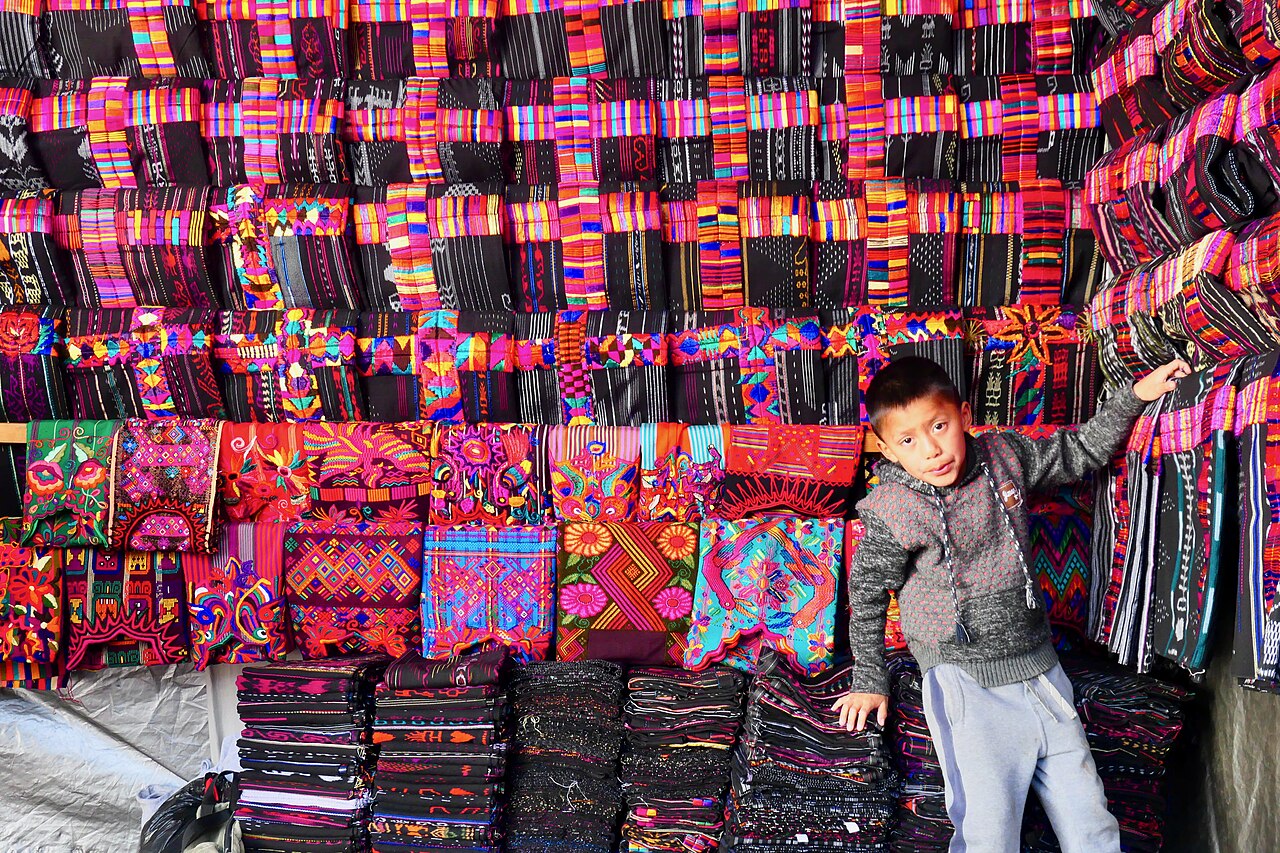
A Chichicastenango market comedor at midday: steam off a clay pot of kak'ik, a stack of tortillas wrapped in an embroidered cloth arriving with every plate, and bowls refilled with broth the color of brick dust.
The easily missed detail
Guatemalans eat tortillas three times a day, and the meal is structured around them — a plate of the finest stew arrives with its own stack, expected to be used as spoon, scoop and wrap. Ordering extra tortillas is normal; refusing them marks the plate as unfinished business to any Guatemalan cook watching.
A practical rhythm
- Eat the heritage list regionally — Kak'ik in Cobán, jocón in the west, pinol around Antigua, rather than ordering all five in one city
- Lunch where the market eats — Take the midday meal in a market comedor, when the recados are freshest and the full menus run
- Time one trip to a food holiday — November 1 for fiambre or Christmas week for tamales and ponche, if the calendar allows
What could complicate the plan
Fiambre exists for roughly one week a year and mostly in homes; outside early November you will not find it at any price. Heritage stews are celebration food, so small-town comedores may serve a given recado only on weekends or market days. And the Caribbean kitchen in Livingston depends on the boats — in rough weather the tapado loses its seafood.
What to do next
Build one market-day lunch in Chichicastenango or Cobán around the regional stew, and if you travel in late October, reserve a fiambre lunch in Antigua or the capital.
Sources
- Guatemala Ministry of Culture and Sports, Acuerdo Ministerial 801-2007 — pepián, jocón, kak'ik and plátanos en mole declared Intangible Cultural Heritage of the Nation, with pinol added in 2015
- Agencia Guatemalteca de Noticias (AGN) — fiambre as the iconic November 1 dish, with up to 50 ingredients and red and white versions
- Ministry of Culture and Sports regional pages — jocón of Huehuetenango, kak'ik of the Q'eqchi' of Alta Verapaz, hilachas of Salamá, pinol of Sacatepéquez
- INGUAT — market comedores and the Garifuna kitchen of Livingston, including tapado