Guatemala country guide When to visit
When is the best time to visit Guatemala for Antigua?
The short answer
February is Guatemala's best all-round month, and it suits Antigua perfectly — the whole country is in its dry season, the highlands are clear and mild, and Antigua's streets are washed, walkable and pre-Lenten calm.
The answer, with local context
Guatemala runs on two seasons rather than four, and INSIVUMEH, the national weather institute, divides the country into eight climate regions that all share the same basic rhythm: a dry season from November to April and rains from May to October. February is the hinge of the dry season — the month when the Caribbean coast's December wet spell has ended, the Pacific is bone dry, and even steamy Petén, where Tikal stands in lowland jungle, gets its most manageable heat, with highs in the upper 80s°F rather than the upper 90s°F of April. Travelers combining Antigua with Tikal, Lake Atitlán and the highland markets get every region working at once in February, which no other month quite manages.
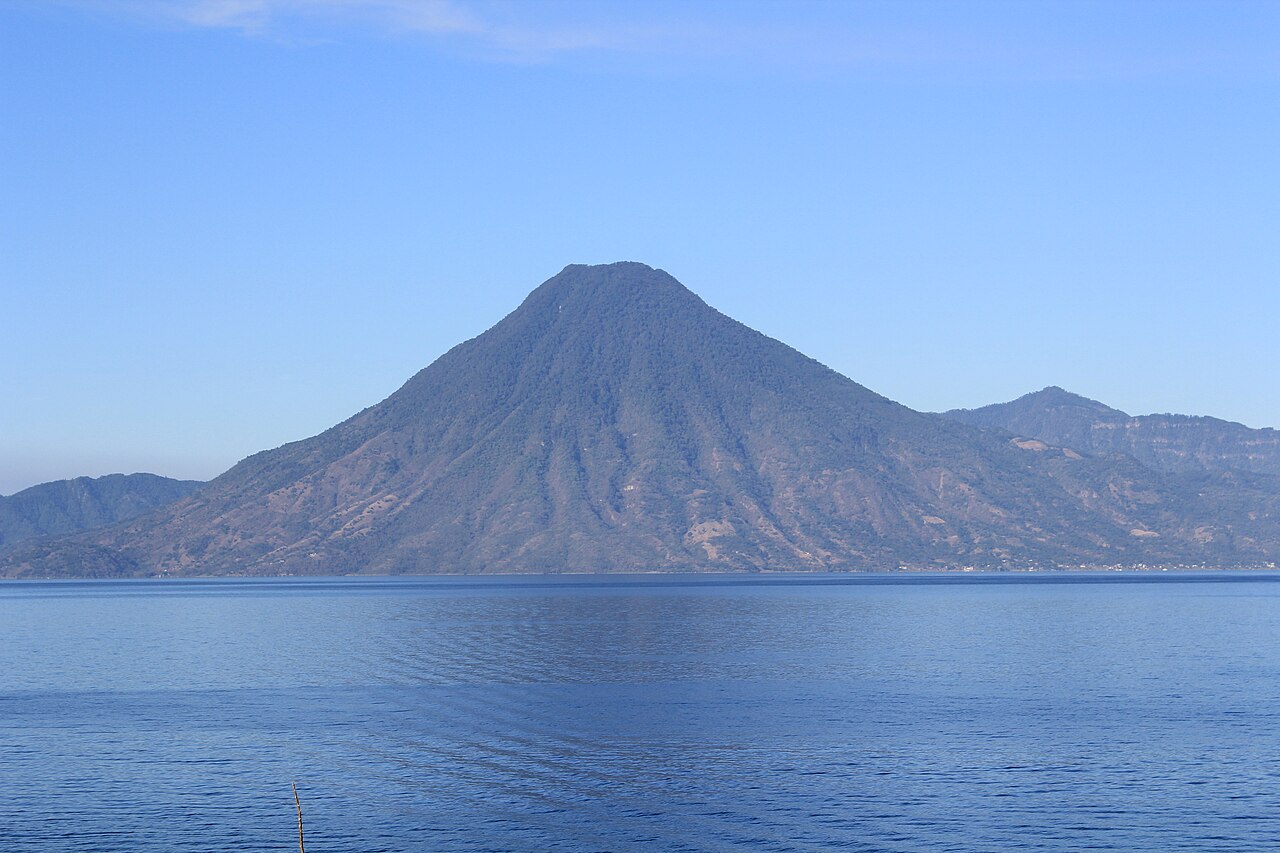
For Antigua itself, February delivers the specific conditions the city is loved for. At 5,029 feet (1,533 m) in the Panchoy Valley, daytime highs hold around 77°F (25°C) with rain near zero — about 0.4 inches (10 mm) for the month — and the three volcanoes over the grid, Agua (12,356 feet / 3,766 m), Acatenango and the ever-erupting Fuego, stand out with a clarity that the rainy months steal. Nights are cool enough for a jacket, in the mid-50s°F, but the sharp December–January cold snaps have passed. Because Holy Week in Guatemala is a UNESCO-listed Intangible Cultural Heritage (inscribed 2022) and Antigua's celebration is its centerpiece, the seasonally minded should know the trade: come in February and you get the city serene; come for Holy Week itself (March 21–28 in 2027) and you get its greatest spectacle at its greatest crowds and prices.
One published rule shapes any Antigua visit in any month: the city's colonial core is protected by law, administered by the National Council for the Protection of Antigua Guatemala (CNPAG), created by Decreto 60-69 in 1969, which controls building heights, signage and even paint colors inside the perimeter — the reason the skyline you photograph in February is the one UNESCO inscribed in 1979.
Picture the place
February light in the Panchoy Valley has a washed, high-altitude quality: bougainvillea and jacaranda against whitewashed walls, cobbles dry for the first time in months, and every street that runs south ending in the clean blue cone of Agua.
The easily missed detail
Guatemala's dry season is not uniformly dry in December: the Caribbean department of Izabal and the Verapaces often stay wet into January under cold-front rains locals call the "lluvias de diciembre," and Petén's jungle tracks can still be muddy at New Year. February, not the Christmas holidays, is when the dry season has genuinely taken hold everywhere at once.
A practical rhythm
- Build the trip around February's clarity — Put Antigua and the volcano hikes in the first half, while skies are at their driest
- Pair regions in one trip — Combine Antigua with Tikal and Atitlán in February rather than splitting them across seasons; all three peak together
- Decide about Holy Week early — If the processions are the goal instead, book Antigua rooms the moment dates are known, a year ahead if possible
What could complicate the plan
February sits inside Guatemala's high season, so Antigua's boutique hotels price at their peak even without a festival. The dry months are also the windy months in the highlands, and cold fronts can still push a grey, drizzly day into the valley. In the rainy season the pattern reverses completely: May to October brings afternoon downpours, lush green hills, lower prices and the real risk of road closures in the mountains.
What to do next
Choose February for the balanced trip — Antigua as base, Tikal and the lake as extensions — and reserve Antigua hotels and the Petén flight before the dry season fills.
Sources
- INSIVUMEH — Guatemala's eight climate regions and the November–April dry season shared across them
- UNESCO World Heritage Centre and UNESCO Intangible Cultural Heritage — Antigua Guatemala inscribed 1979; Holy Week in Guatemala inscribed 2022
- Government of Guatemala, Decreto 60-69 — creation of the National Council for the Protection of Antigua Guatemala (CNPAG), 1969
- INGUAT — Antigua Guatemala at 1,533 m in the Panchoy Valley, 25 miles from Guatemala City's La Aurora International Airport