Ha Long Bay / Vietnam When to visit
When should I visit Ha Long Bay, Vietnam, for the best experience?
The short answer
September through November is an especially favorable period for exploring Ha Long Bay, when northern Vietnam often experiences clearer skies and calmer conditions for boat excursions.
The answer, with local context
Ha Long Bay lies in northeastern Vietnam, within Quang Ninh Province. Vietnam's national tourism authority identifies September through November as its preferred visiting period, while also noting that spring can provide suitable cruising conditions.
The bay has a subtropical climate. Summer is hot and humid, with a risk of tropical storms, while winter is cooler and often misty. The limestone islands can look particularly atmospheric in winter, although reduced visibility may obscure distant formations.
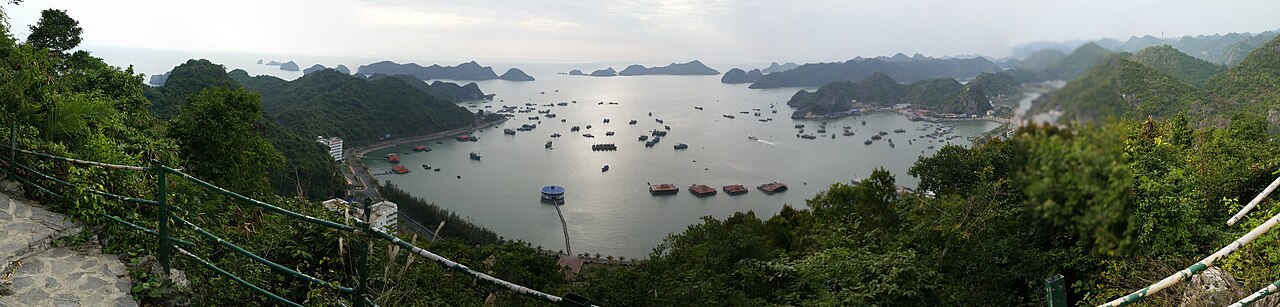
UNESCO first inscribed Ha Long Bay in 1994, with boundary modifications in 2000 and 2023. The 2023 extension incorporated the Cat Ba Archipelago, creating the present Ha Long Bay–Cat Ba Archipelago World Heritage property.
The protected area covers 65,650 hectares and includes 1,133 islands and islets, according to UNESCO's current property description. A further 34,140 hectares forms the buffer zone.
Season also affects managed visitor access. The Ha Long Bay Management Department publishes a summer visitor schedule and a separate winter schedule.
From April 1 through October 31, licensed sightseeing vessels may depart from 5 a.m., with return to port no later than 8 p.m. During the winter schedule, from November 1 through March 31, departures begin at 5:30 a.m., and vessels must return by 7 p.m.
These are administrative operating windows, not guaranteed individual cruise departure times.
Picture the place
Limestone towers rise from the sheltered waters of the Gulf of Tonkin. Some islands contain caves, narrow passages and steep vegetation-covered slopes, creating a highly distinctive marine landscape.
The easily missed detail
The UNESCO property is no longer limited to Ha Long Bay alone. The 2023 extension formally added Cat Ba, but Ha Long Bay and Lan Ha Bay still have different ports, cruise routes and local operational arrangements.
A practical rhythm
Morning: Board an authorized sightseeing vessel at the designated harbor.
Midday: Explore limestone scenery and a permitted cave or island stop.
Afternoon: Return within the management authority's operating window.
What could complicate the plan
Tropical storms and dangerous sea conditions can result in official vessel restrictions or cancellations. Cruises are also limited by registered routes, and admission arrangements depend on the itinerary.
What to do next
explains how to choose between the bay's major caves, islands and officially designated sightseeing routes.
Sources
- Vietnam National Authority of Tourism — seasonal weather and recommended travel period.
- UNESCO — inscription dates, current boundaries and protected area.
- Ha Long Bay Management Department — vessel operating periods and visitor schedules.