Hong Kong / China Food and drink
Where should I eat in Hong Kong, and which local food or drink is worth trying?
The short answer
Start with Hong Kong-style milk tea, which the city's own government has placed on its official heritage register — the making technique is one of the 20 items on the first Representative List of the Intangible Cultural Heritage of Hong Kong, announced on 14 August 2017.
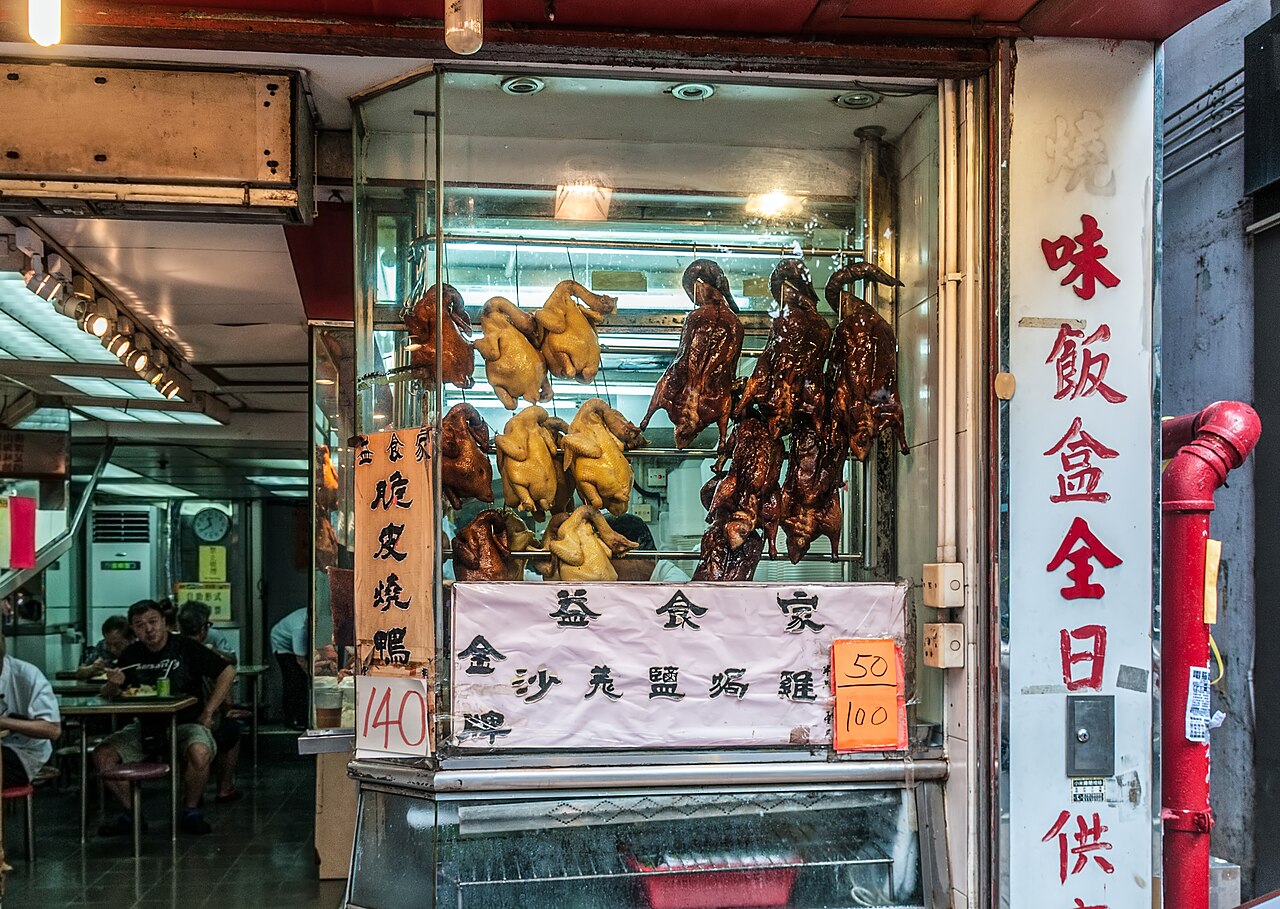
The answer, with local context
That list is the most reliable guide to what Hong Kong itself considers worth protecting about its food and drink. It was compiled by the Leisure and Cultural Services Department from a territory-wide inventory of 480 items and narrowed to 20. Three of the twenty are edible or drinkable: the Hong Kong-style milk tea making technique, herbal tea, and sek pun — the basin feast, a communal meal built in layers in a single large basin, associated with the walled villages of the New Territories rather than with the city center.
Milk tea and herbal tea point you at two completely different kinds of place. Milk tea belongs to the cha chaan teng, the neighborhood tea restaurant, where the technique on the heritage list — repeatedly straining the brew through a cloth bag before adding evaporated milk — is performed behind the counter hundreds of times a day. Herbal tea belongs to the small shopfront herbal tea stalls, sold by the cup from brass urns, bitter and medicinal rather than refreshing. Neither is a tourist product; both are listed precisely because they are ordinary and at risk.
Sek pun is the one that needs planning. It is a village feast rather than a restaurant dish, served in the walled villages of the New Territories and tied to clan and festival occasions, which is why it appears on a heritage register at all — the practice, not a recipe, is what is protected.
Tea-house culture also carries the city's one UNESCO intangible listing worth knowing. Yueju opera entered UNESCO's Representative List of the Intangible Cultural Heritage of Humanity in 2009 under decision 4.COM 13.27, and the Hong Kong government publicly welcomed the inscription that October. Opera and tea have shared venues in the Cantonese-speaking south for generations, and the overlap still shows in the older tea houses.
Picture the place
A cha chaan teng at mid-afternoon is loud, fluorescent-lit and shared-table, with the strainer bags hanging dark brown from use. The herbal tea shopfronts are the opposite — narrow, often no deeper than a doorway, with the urns at the front and the cups set out on the counter.
The easily missed detail
The heritage listing covers the technique, not the drink. What is protected is the method — the brewing, the repeated straining through cloth, the use of evaporated rather than fresh milk — which is why a cup bought from a cha chaan teng counter and a cup bought from a chain are not the same thing in the register's terms. The same logic applies to sek pun: the listed item is the practice of assembling and sharing the basin, which is why it cannot simply be ordered off a menu downtown.
A practical rhythm
- Morning — Milk tea and a bun at a cha chaan teng. The technique on the 2017 heritage list is at its most visible during the breakfast rush.
- Afternoon — A cup of herbal tea from a shopfront stall. Also on the list of 20, and taken standing up rather than sitting down.
- Evening — A tea house with a performance connection, where Yueju opera and tea-house culture overlap.
What could complicate the plan
Sek pun is tied to village and festival occasions in the New Territories and is not reliably available on a given date. Cha chaan teng seating is shared and turnover is fast, which can make a leisurely meal difficult at peak hours. On the health side, the US Centers for Disease Control and Prevention names Hong Kong in its Global Measles travel health notice, issued at Level 1 — Practice Usual Precautions and dated May 28, 2025.
What to do next
The Hong Kong things-to-do question covers the geopark and the Cantonese opera tradition in more depth; the when-to-visit question gives the rainfall and humidity figures that determine how pleasant a day of walking between neighborhoods will be.
Sources
- Government of Hong Kong SAR press release, 14 August 2017 — announcement date, 20 listed items, 480-item inventory, milk tea, herbal tea and sek pun
- Intangible Cultural Heritage Office, Leisure and Cultural Services Department — Representative List contents
- UNESCO Intangible Cultural Heritage, Yueju opera — 2009 inscription, decision 4.COM 13.27
- Government of Hong Kong SAR press release, 2 October 2009 — Hong Kong government statement welcoming the Yueju inscription
- US Centers for Disease Control and Prevention, Travel Health Notices — Global Measles notice level and date