Kerala Backwaters / India Things to do
What are the most worthwhile things to do in Kerala Backwaters on a first visit?
The short answer
Combine a Vembanad Lake boat journey with a small-canal village excursion and a Kumarakom wetland stop, focusing on Alappuzha and Kumarakom unless you have enough days for the more distant Ashtamudi or northern backwaters.
The answer, with local context
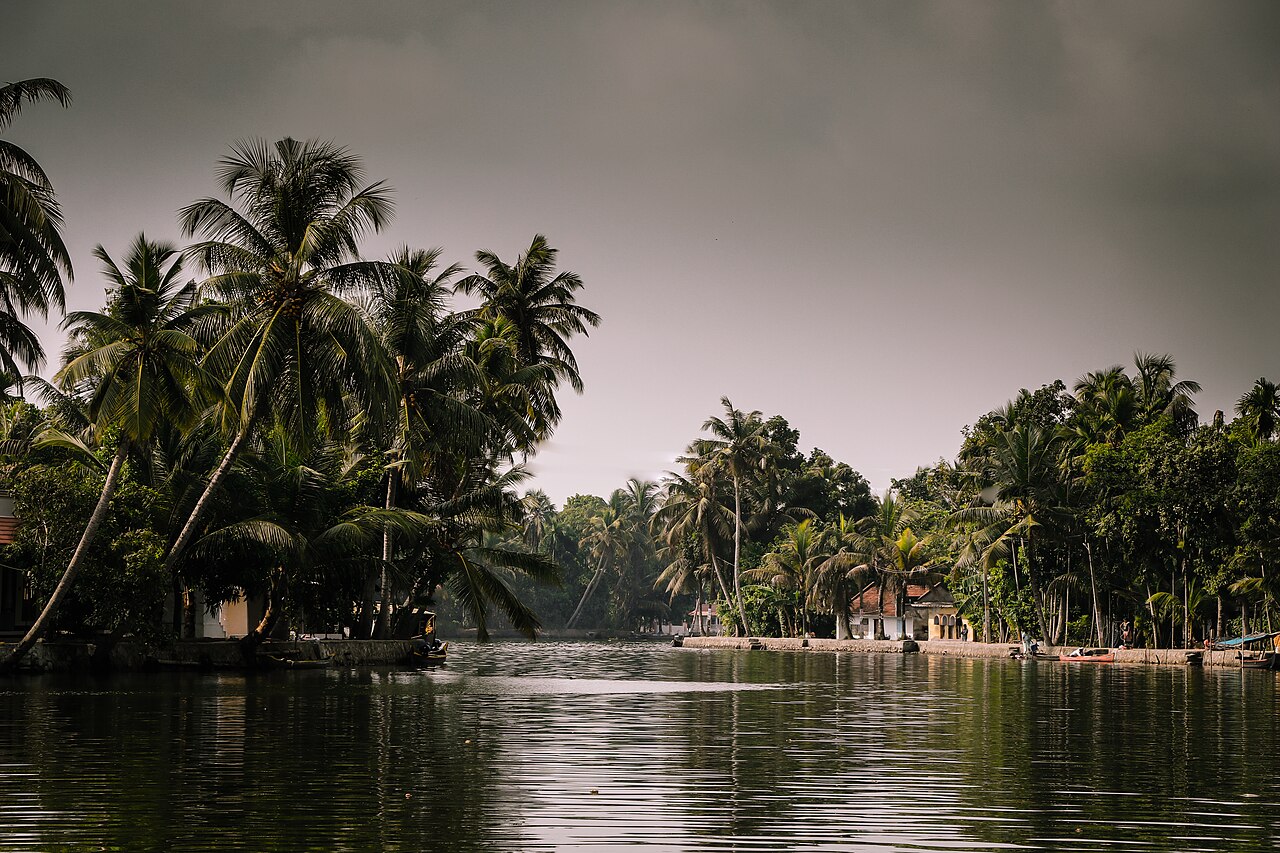
An Alappuzha houseboat journey shows the broad navigable waters and village edges that made the Kerala Backwaters famous. Traditional-style boats often have covered decks and onboard meals; a day cruise is a distinct choice from an overnight cabin booking. A small guided canoe can enter narrower canals in places where the large vessels do not fit, providing a closer view of canalside settlements and agricultural life.
At Kumarakom, the setting is strongly associated with the eastern side of Vembanad Lake, a wetland landscape and a bird sanctuary. Kerala Tourism identifies the Kumarakom Bird Sanctuary as covering approximately 14 acres, historically linked to the Baker Estate. Bird species and sightings vary by season; there is no justification for promising a particular bird on a particular morning. The wetland does reward binoculars on the published record, though: the Ramsar listing counts over 90 resident bird species and 50 migratory species in the Kol section alone and ranks the system as holding India's third largest wintering waterfowl population. Kerala Tourism puts the open stretch of Vembanad at about 60 kilometers, running from the Thanneermukkam bund down to Alappuzha, so one day's cruise covers a fraction of it. If you want a more expansive southern lake experience, Ashtamudi near Kollam is another major backwater system rather than a canal adjoining every Alappuzha itinerary.
Kerala Tourism also identifies Valiyaparamba in the north as part of the state’s backwater heritage. Including it creates a separate travel leg, not a brief add-on. The region is fed by seasonal rainfall; the southwest monsoon normally arrives over Kerala around June 1, according to the India Meteorological Department. That seasonal pattern should shape the boat plan but need not eliminate interest in village food, wetlands and canals.
Picture the place
A wide lake scene gives way to low bridges and smaller waterways as a boat moves toward village channels; coconut palms mark the banks.
The easily missed detail
The size of the craft decides what you can see. A larger houseboat offers broad-water comfort, while smaller traditional canoes can be more suitable for narrow canals and close-range village observation.
A practical rhythm
- First outing — Take a safe houseboat or day-cruise route from Alappuzha.
- Second outing — Explore narrow canals with a qualified local canoe guide.
- Wetland visit — Use Kumarakom for bird habitat and a slower shore-based village experience.
What could complicate the plan
Vessel quality, crew licensing, safety equipment, monsoon conditions and permitted navigation hours vary. Some areas are living communities, not staged attractions, so respect privacy along canal banks. A houseboat operator’s published route should be checked before treating it as a guaranteed stop list.
What to do next
helps choose the months for a boat trip; suggests dishes that fit a village or lakeside food experience.
Sources
- Kerala Tourism — Alappuzha, Kumarakom and coastal waterways
- Kerala Tourism, Kumarakom — Vembanad, bird sanctuary, local food
- Kerala Responsible Tourism Mission — local fish, home kitchens, village foods
- Kerala Tourism, Vembanad wetland Ramsar site — the roughly 60-kilometre open stretch of Vembanad from the Thanneermukkam bund to Alappuzha
- Ramsar Sites Information Service, Vembanad-Kol Wetland — over 90 resident and 50 migratory bird species in the Kol area and India's third largest wintering waterfowl population
- India Meteorological Department — southwest monsoon onset in Kerala
- U.S. State Department — national entry rules