Komodo National Park / Indonesia Things to do
What are the most worthwhile things to do in Komodo National Park on a first visit?
The short answer
Choose a ranger-guided Komodo or Rinca wildlife walk, a permitted Padar viewpoint and a marine excursion to experience both sides of Komodo National Park’s UNESCO-listed landscape.
The answer, with local context
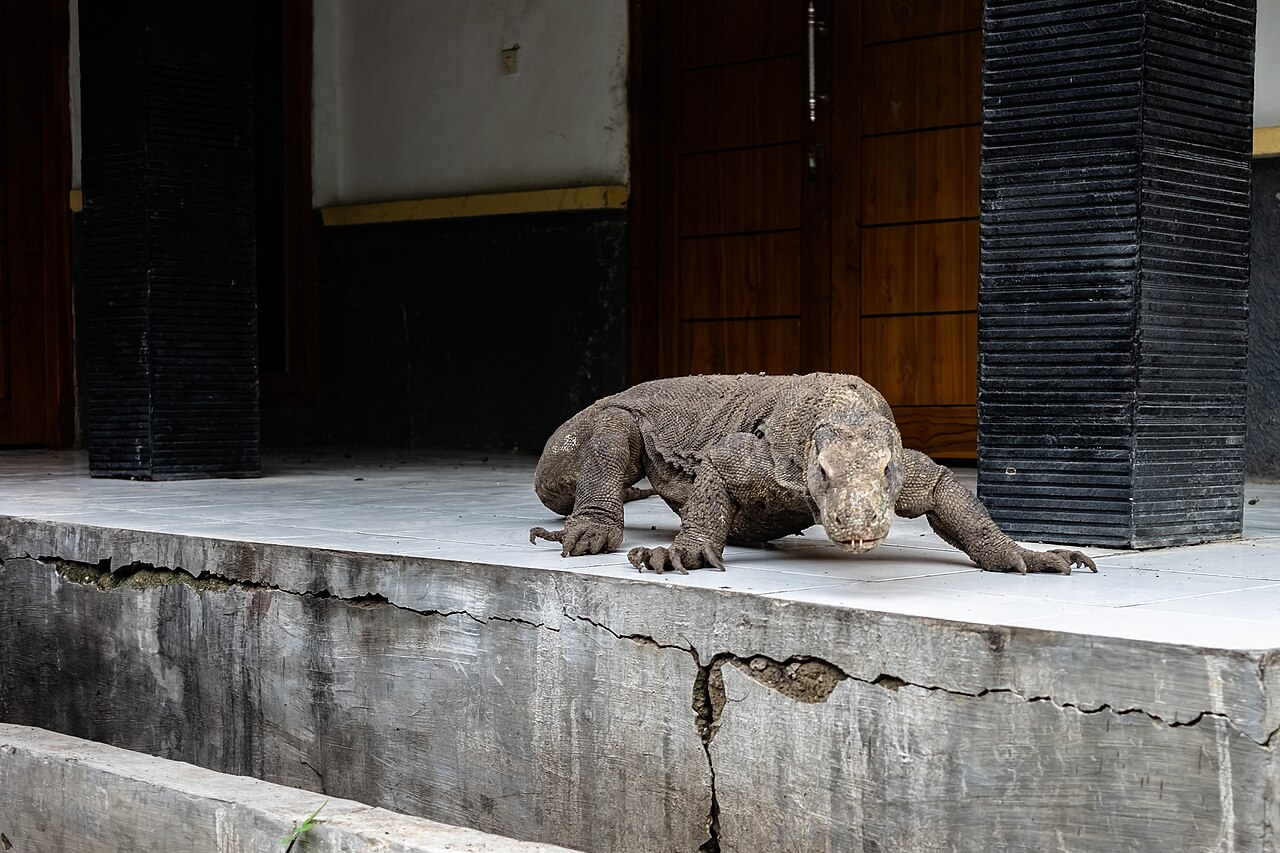
Rinca and Komodo Island are associated with the park’s most famous animal, the Komodo dragon. The national park authority requires controlled visitor conduct and ranger assistance in dragon habitat. An animal sighting is never guaranteed, and the opportunity to observe a dragon does not authorize close approach or feeding. Padar is widely known for its steep island viewpoint; reaching an approved trail or summit area involves exposed climbing and respect for any current access management.
The surrounding sea is another essential part of the destination. UNESCO inscribed Komodo National Park in 1991, recognizing its distinctive island scenery and importance for the giant lizard and wider ecological diversity. The World Heritage property, at about 219,322 hectares, comprises the main islands Komodo, Rinca and Padar as well as marine habitats. Reef snorkeling and manta-ray viewing may be offered by licensed operators, but strong currents mean such activities need competence, suitable safety equipment and genuine sea-condition assessment.
Labuan Bajo, on Flores, serves as the primary visitor gateway for many boat departures. Indonesia’s Ministry of Forestry announced the SiOra electronic booking platform on July 7, 2025, while the park authority also publishes ticket and carrying-capacity information. A three-island tour advertised commercially is not proof of confirmed admissions or eligible landing slots; ask the operator for the exact permissions and stops.
Picture the place
Padar’s high ridges divide curved bays, while Rinca’s savanna-like slopes provide a stark landscape for observing dragons under ranger supervision.
The easily missed detail
The reserve’s land and sea experiences have different risks and permissions: a ranger is needed in dragon habitat, while a competent marine operator must manage currents and navigation during water activities.
A practical rhythm
- Wildlife visit — Use a permitted ranger-led walk on Komodo or Rinca, leaving all animal approaches to the guide.
- Landscape stop — Choose an authorized Padar viewpoint trail with sun protection and water.
- Water experience — Snorkel only at an appropriate licensed site when currents and weather suit the group’s ability.
What could complicate the plan
Visitor caps, park fees and landing permissions can change. Steep trails are exposed to the sun, and some marine locations have hazardous currents; excursions may be canceled without another safe site being available.
What to do next
explains seasonal and permit choices, while identifies where to eat before and after the boat trip.
Sources
- Komodo National Park Authority — guided-travel rule and visitor centre
- Komodo National Park Authority, official entry information — fees/carrying capacity and time windows by activity
- UNESCO World Heritage Centre — 1991 inscription, three main islands, marine area
- Indonesian Ministry of Forestry — SiOra electronic reservation platform announced 2025
- U.S. State Department — entry and national safety information