Lake Atitlan / Guatemala Things to do
What are the most worthwhile things to do in Lake Atitlan on a first visit?
The short answer
Ride the lanchas between villages — Santiago Atitlán for Maximón, San Juan for natural dyes, Santa Catarina for its painted houses — climb the Indian Nose at sunrise, and spend one dawn on the water itself.
The answer, with local context
Atitlán is not one destination but a dozen Maya villages around a shore, and the essential first-visit act is learning the boat system. Public lanchas run all day from Panajachel's docks across to San Pedro, San Marcos, Santa Cruz and Santiago, and the villages divide the lake's personalities between them: Panajachel is the gateway with the hotels and the Calle Santander strip; San Pedro La Laguna is the busy backpacker town under its volcano; San Marcos is the quiet yoga shore; and the crossings themselves, on calm mornings over water 1,115 feet (340 m) deep, are half the experience.
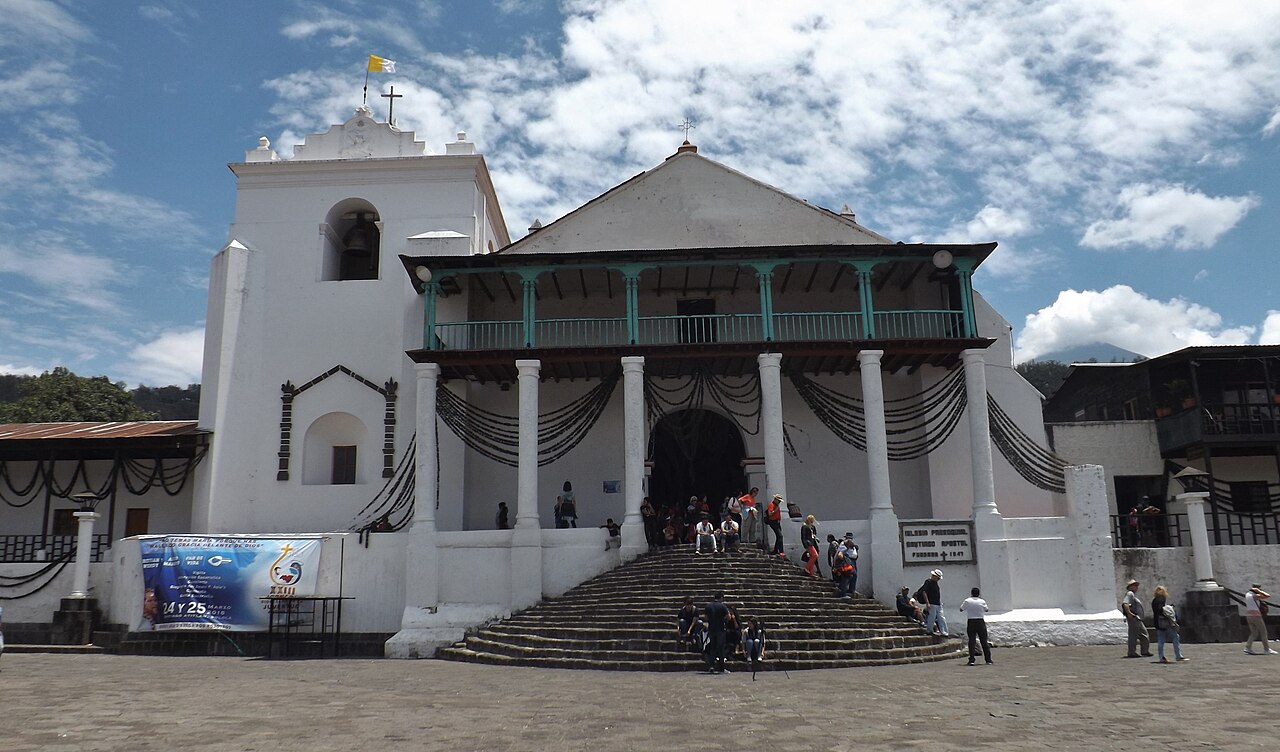
Set the cultural day on the south and east shores. Santiago Atitlán is the lake's largest town and the heart of the Tz'utujil Maya: its 16th-century church of Santiago Apóstol anchors the plaza, and in a cofradía house that changes each year sits Maximón — also called Rilaj Mam — a wooden folk saint dressed in scarves and hats, receiving offerings of liquor and cigarettes from the faithful; a local guide finds the current house and handles the protocol. Across in San Juan La Laguna, Tz'utujil women's cooperatives demonstrate weaving dyed only with plants and minerals — indigo blues, cochineal reds — and the town's naive-style painters fill its galleries. Santa Catarina Palopó, minutes from Panajachel, has become the lake's most photographed village for a different reason: the Pintando Santa Catarina Palopó project, launched in 2017, has painted some 850 houses in the blues and geometric patterns of the local huipil, each family choosing from five color combinations.
Do the heights early. The Indian Nose (Rostro Maya) above San Juan gives the lake's definitive sunrise — a 45-to-60-minute climb, best with a local guide, ending at a lookout where the whole caldera and its three volcanoes light up in sequence. Volcán San Pedro (9,908 ft / 3,020 m) is the bigger undertaking, a 3-to-4-hour climb from San Pedro's eco-park trailhead. Fill the quieter hours at Panajachel's Reserva Natural Atitlán — a former coffee finca with hanging bridges, a butterfly dome and zip lines — or at the Cerro Tzankujil nature reserve in San Marcos, where a wooden platform drops some 30 feet (10 m) into the lake for the ritual jump.
Picture the place
From the Indian Nose at first light the lake is a sheet of hammered silver below you, the villages still dark, and the sun catches Atitlán volcano first, then Tolimán, then San Pedro, like lamps being lit in order around the shore.
The easily missed detail
Two of the week's best experiences are not on the lake at all: the Tuesday and Friday market at Sololá, the departmental capital 10 minutes above Panajachel, is a working Maya market almost untouched by tourism, and on Thursdays and Sundays the great market at Chichicastenango is a 1.5-hour shuttle ride away. First-timers who stay on the shore for seven straight days miss the highlands the lake sits inside.
A practical rhythm
- One circuit, three villages — Santiago for Maximón and the church, then San Juan for the dye cooperatives, returning before the afternoon wind
- Sunrise once, properly — Indian Nose with a guide on your clearest forecast morning, with coffee at a San Juan café afterward
- A green half-day in Pana — Reserva Natural Atitlán's bridges and butterfly dome on your arrival or departure afternoon
What could complicate the plan
After about 3 p.m. the Xocomil makes crossings rough and the last public lanchas leave the smaller villages by early evening — a missed boat means an expensive private one. Maximón's house moves every year and photography inside the shrine carries its own small fee and rules; wandering Santiago looking for it unescorted wastes the afternoon. Volcán San Pedro's trail requires a guide for safety and navigation, arranged at the trailhead eco-park. The country-level picture belongs in the plan too: the standing US advisory asks travelers to reconsider travel to Guatemala because of crime and names higher-risk areas separately, while entry itself is light — no visa is required of a US citizen, 1 blank page covers the entry and exit stamps, no vaccination is required, and stays of 90 days are the norm.
What to do next
Give the lake three days minimum: one for the Santiago–San Juan circuit, one for a sunrise summit and a shore afternoon, one for Santa Catarina, Sololá or just the water at dawn.
Sources
- AMSCLAE and INGUAT — the lake's village network, public lancha routes and the 340 m depth of the caldera lake
- Pintando Santa Catarina Palopó project — launched 2017; about 850 houses painted in huipil-derived blues, with five family-chosen color combinations
- Santiago Atitlán municipal and cofradía sources — Maximón (Rilaj Mam), his annually rotating shrine house, and the 16th-century Santiago Apóstol church
- Reserva Natural Atitlán — the Panajachel reserve's trails, butterfly dome and zip lines on a former coffee finca
- US Department of State, Guatemala country information — "Reconsider travel to Guatemala due to crime", no visa required, one blank page for entry and exit stamps, no vaccinations required, stays usually allowed for 90 days, last updated 30 April 2025 (retrieved 5 November 2026)