Malta country guide Places and experiences
What should a first-time traveler see in Malta beyond the obvious highlights?
The short answer
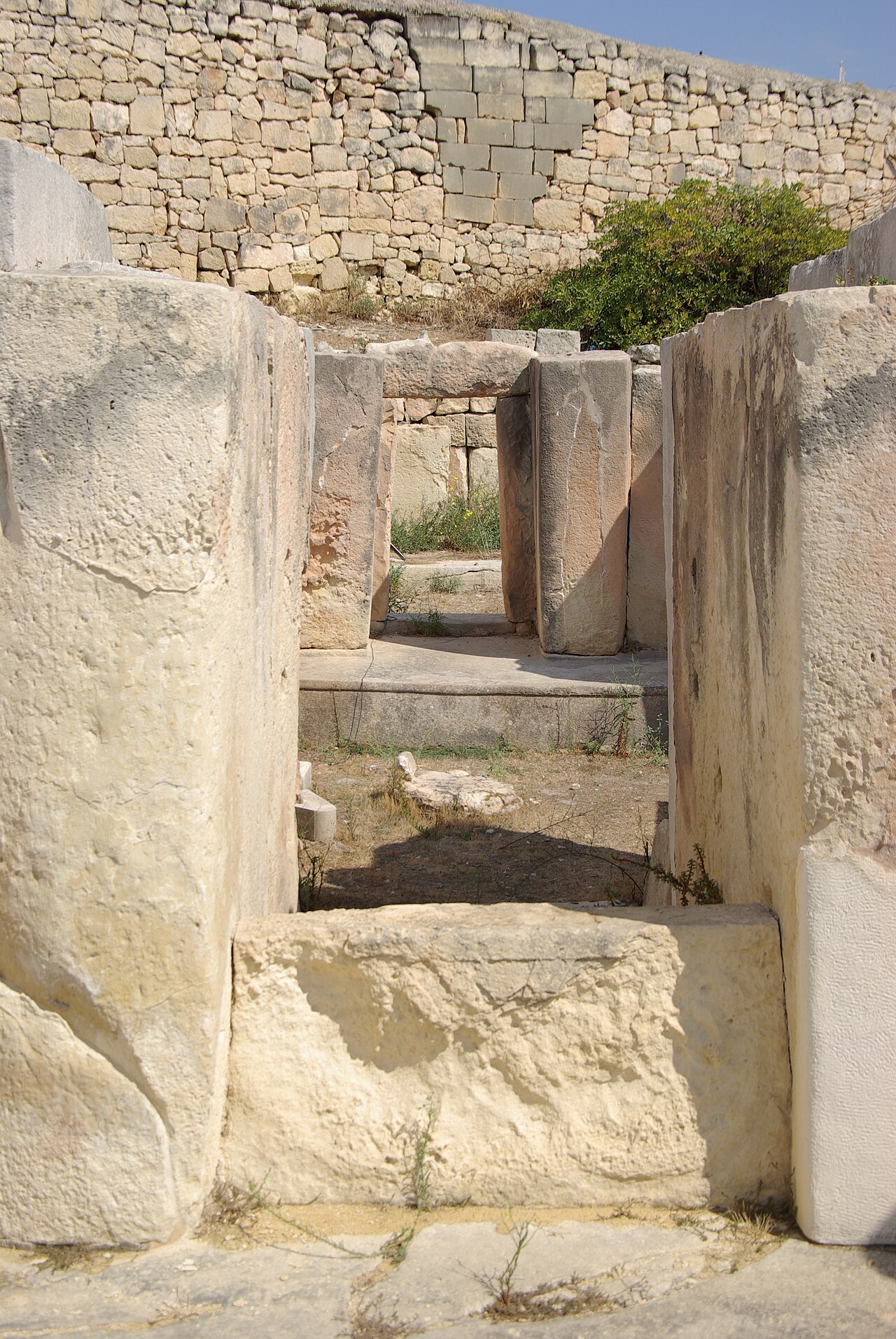
Tarxien and the Ġgantija end of the temple story — the Megalithic Temples of Malta were first inscribed by UNESCO in 1980 and extended in 1992 under decision 16COM XC, and Tarxien alone is a complex of 4 megalithic structures built in the Neolithic between roughly 3600 and 2500 BC.
The answer, with local context
Most visitors see Valletta and stop. The temple inscription is the thing worth traveling for, because it is not one site but a property assembled across two decades of nomination work. Heritage Malta records that Tarxien's earliest structure, at the easternmost end of the site, was built between 3600 and 3200 BC, and that the whole complex was reused in the Bronze Age between roughly 2400 and 1500 BC. Its South Temple carries the largest number of stone reliefs on the site, showing animals and spiral motifs. Its Central Temple has the most complex architecture of the four, with 6 apses — semi-circular chambers off a central axis.
The practical detail that makes Tarxien unusually visitable is a conservation measure. A protective tent was built over the site in 2015 as part of the Archaeological Heritage Conservation Project, and walkways run inside and outside the temples, which Heritage Malta says make the site accessible to all and give a viewpoint over the prehistoric remains that ground level does not. Hours are 09:00 to 17:00 with last admission at 16:30.
The Hypogeum sits a short distance away and belongs to the same prehistoric world. Heritage Malta dates its use to roughly between 4000 BC and 1500 BC. VisitMalta dates the three levels separately: the upper level to 3600–3300 BC, the middle to 3300–3000 BC and the lower to 3150–2500 BC. The deepest room lies 10.6 meters below road level.
Picture the place
The walkways carry you above the apse floors, so the plan of the 4 structures reads from overhead in a way it never could from inside a chamber, and the 2015 protective tent keeps the whole site out of direct sun. The South Temple's animals and spirals are reliefs cut into the stone itself rather than freestanding sculpture, which is why they repay standing still rather than circling.
The easily missed detail
Malta's living heritage has been inscribed more recently than its stones, and it is a better guide to what an ordinary week in the islands looks like. UNESCO's Representative List carries Il-Ftira, the culinary art and culture of flattened sourdough bread, inscribed in 2020; L-Għana, a Maltese folksong tradition, inscribed in 2021; and the Maltese Village Festa, an annual community celebration, inscribed in 2023. Malta only ratified the 2003 Convention on 13 April 2017, so all 3 elements arrived within 6 years of accession — an unusually fast run.
A practical rhythm
- Tarxien — Arrive before 16:30, the last admission. The walkways and the 2015 protective tent mean the visit works in any weather.
- The Hypogeum — A separate, strictly capped booking at 10 visitors per tour, with 8 tours a day from 9:00 to 16:00.
- A village festa — Inscribed by UNESCO in 2023 and held village by village across the year, so check what is happening where you are rather than planning around a single date.
What could complicate the plan
Two Hypogeum rules bite late. Children between 1 and 5 years old are barred from the site entirely, and Heritage Malta prohibits photography inside for conservation purposes — so a family group or a photographer should know both before booking. Its last-minute tickets cost 50 euros against 35 euros for a standard adult ticket, are released only one day before, and are limited to 4 per person. Beyond the sites, the State Department's Malta advisory of 9 July 2026 requires a passport valid 3 months beyond your departure date and caps cash at 10,000 euros in either direction, and Malta's Schengen membership means the 90-day allowance is shared across all 29 countries in the area rather than reset on arrival.
What to do next
The Malta when-to-visit answer sets out the booking arithmetic for the capped Hypogeum slots, and the food-and-drink answer explains the ftira inscription mentioned here.
Sources
- Heritage Malta — Tarxien structure count, dating, reliefs, apses, 2015 protective tent, hours; Hypogeum cap, depth, prices, photography rule
- UNESCO World Heritage Centre — 1980 inscription and 1992 extension of the Megalithic Temples, decision 16COM XC
- UNESCO Intangible Cultural Heritage — the 3 inscribed elements and ratification date
- VisitMalta (Malta Tourism Authority) — per-level dating of the Hypogeum, tour frequency and hours
- US Department of State, Malta travel advisory — passport validity and currency limits
- European Commission, Schengen short-stay calculator — Schengen area size and the 90-day limit