Marshall Islands country guide Places and experiences
What should a first-time traveler see in Marshall Islands beyond the obvious highlights?
The short answer
Bikini Atoll's sunken fleet and its people's story, Arno Atoll's village pace an hour from the capital, Jaluit's layered German-and-Japanese past, Likiep's plantation-era shore — and above all the stick charts and living navigation culture of the Alele Museum: the Marshalls beyond Majuro are history at lagoon scale.
The answer, with local context
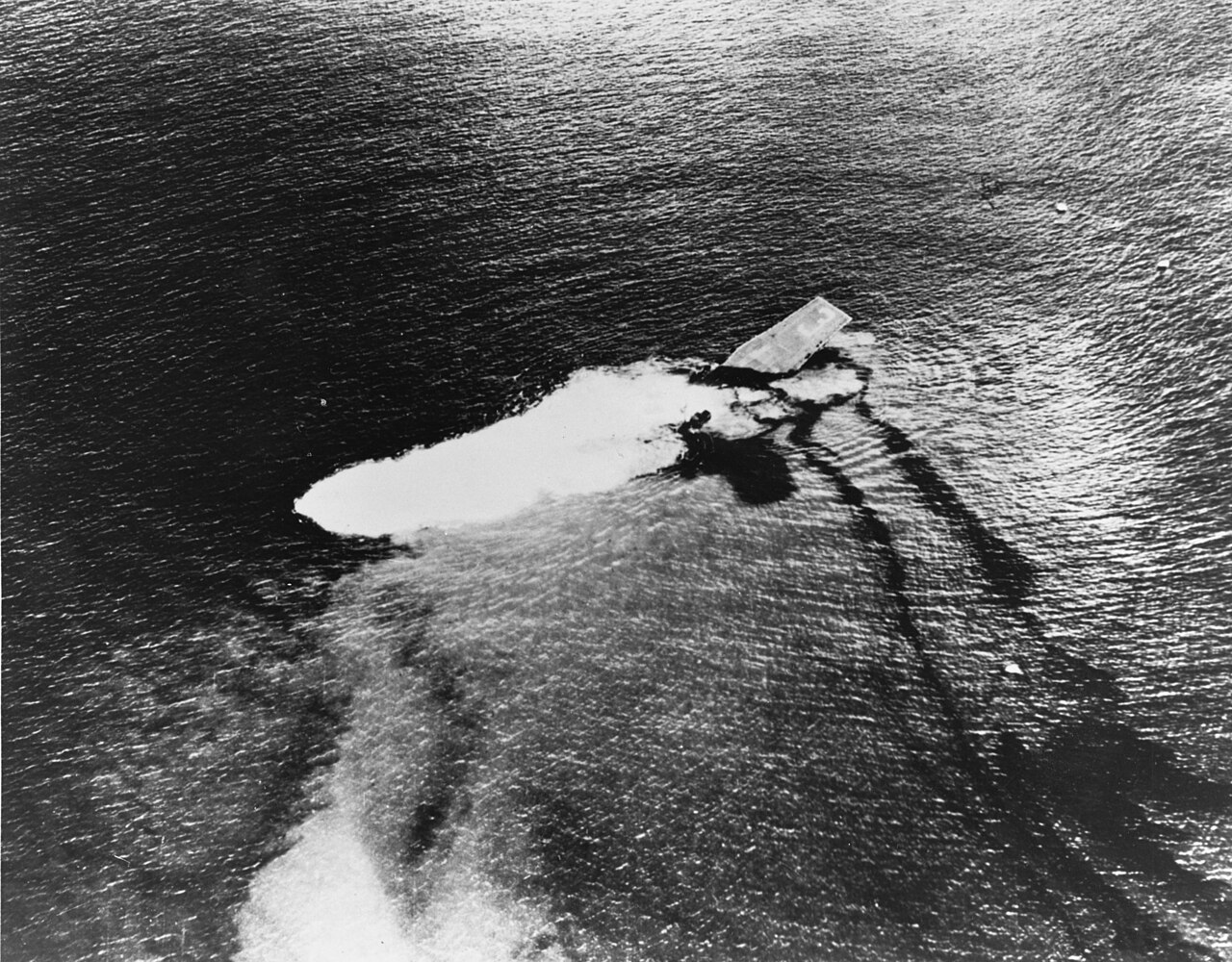
Bikini comes first because the world knows its name for the hardest reason. Between 1946 and 1958 the United States detonated 23 nuclear devices at this northern atoll, beginning with Operation Crossroads (July 1946), which sank a target fleet in the lagoon — the carrier USS Saratoga, the battleship Arkansas, the Japanese battleship Nagato among them — and culminating in Castle Bravo (March 1, 1954), the 15-megaton thermonuclear shot, the largest ever detonated by the United States, whose fallout rained on Rongelap and Utirik and the Japanese fishing vessel Daigo Fukuryū Maru. UNESCO inscribed the Bikini Atoll Nuclear Test Site in 2010 (criteria iv and vi) as testimony to the dawn of the nuclear age — the Bravo crater still notches the reef, visible from the air — and the IAEA's finding (1998) that the atoll remains unsafe for permanent resettlement frames the visit: Bikini's people, removed in 1946, live on Kili Island and Ejit, and the atoll is reached today almost exclusively through permitted liveaboard dive expeditions to the Crossroads wrecks (a season roughly May to October, booked years out by serious wreck divers), run with the Bikini council's permission and staffed by Bikinian dive staff. It is 850 km northwest of Majuro: a pilgrimage, not an excursion.
The gentler beyonds are nearer. Arno Atoll, visible from Majuro's eastern point and an hour by boat, is the classic outer-atoll counterweight: copra villages, a lagoon of exceptional clarity, women's weaving cooperatives producing the fine pandanus work the Marshalls are famous for, and guesthouses that run on generator hours and the day's catch. Jaluit, the southern hub, was the German copra capital of the 1880s and the Japanese mandate's administrative seat — its shore holds the layered remains of both empires, and it remains the southern chain's service center. Likiep, in the north-central Ratak chain, keeps the deBrum family's 19th-century plantation history, some of the oldest European-era buildings in the country and a lagoon rich enough to be proposed for protection. The WWII layer runs everywhere: Maloelap's Taroa was a major Japanese air base (its lagoon holds a small ghost fleet), Wotje and Mili carry airfields, bunkers and guns in the undergrowth, and Kwajalein — whose lagoon, at about 2,174 km², is among the largest atoll lagoons on Earth — remains a U.S. Army missile-test installation (the Reagan Test Site), its residential island closed to casual visitors while Ebeye, its Marshallese neighbour island and one of the most densely populated places in the Pacific, is its own sobering study.
The cultural beyond outranks them all for depth per hour: the Alele Museum in Majuro holds the nation's memory — above all the stick charts (rebbelib, meddo and mattang), the lattice-and-shell maps with which Ri-Majol master navigators encoded swell patterns, island positions and ocean currents for open-ocean canoe voyaging. Marshallese wave-piloting — reading the refraction of swells around atolls from a canoe's motion — is regarded by navigators worldwide as the Pacific's most refined, and the museum, the cultural center at the College of the Marshall Islands, and Manit (Culture) Day observances (the last Friday of September week) are where a visitor can stand in its presence honestly rather than decoratively.
Picture the place
The Saratoga's island rising through Bikini's blue: a carrier sunk by the Baker shot in July 1946, now upright in 50 m of lagoon water, her flight deck a reef and her bridge a cathedral of steel and coral.
The easily missed detail
Bikini's diving runs on a moral as well as a radiological protocol: divers stay on the liveaboard, eat imported food (nothing grown on Bikini is eaten, by rule), land only in permitted areas, and pay fees that fund the exiled community on Kili — the trip is part wreck pilgrimage, part restitution, and the operators brief it that way. The second detail most first-timers miss: the Marshalls' 2 chains have names that are instructions — Ratak means sunrise (the eastern chain) and Ralik means sunset (the western) — so a Marshallese address already contains a compass.
A practical rhythm
- Museum before ocean — The Alele's stick charts read first: every lagoon after them means more
- Arno for the village register — 2 nights minimum, arranged through Majuro operators, copra-time
- Bikini only by expedition — The liveaboard booked as the trip's single great expense, in season
What could complicate the plan
Access sorts everything here: Bikini is expedition-only (permits via the Kili/Bikini/Ejit local government, a handful of liveaboard departures a year, technical-diving competence assumed, and radiological rules that are absolute); Kwajalein's U.S. base islands are closed without sponsorship; and the outer atolls run on Air Marshall Islands' small fleet and copra boats with schedules that bend to weather, freight and funerals — a Likiep or Jaluit leg needs flex days at both ends. There is also a dignity protocol: Bikini, Rongelap and Enewetak are not dark-tourism backdrops but living communities' homelands, several still in negotiation over compensation and return (Enewetak's Runit Dome, the concrete-capped crater holding contaminated soil from the 1977–1980 cleanup, has its own monitoring controversies) — visits are by invitation and fee, photography by permission, and the correct register is guest, not explorer. Cash (dollars, small notes) is the only currency that reliably works beyond Majuro, and inter-island communications remain shortwave-and-patience in places.
What to do next
Decide first whether Bikini is this trip's purpose (book the liveaboard before anything else) or its horizon — then build Majuro–Arno as the trip you can certainly have.
Sources
- UNESCO World Heritage Centre — Bikini Atoll Nuclear Test Site (inscribed 2010, criteria iv and vi); the Crossroads fleet and the Bravo crater
- International Atomic Energy Agency — Bikini radiological assessments (1998): resettlement not advised
- Marshall Islands Visitors Authority / Alele Museum — stick charts and navigation heritage; Arno, Jaluit and Likiep visiting information
- U.S. Army Garrison Kwajalein Atoll — the Reagan Test Site and access restrictions