Mauritius coast / Mauritius When to visit
When should I visit Mauritius coast, Mauritius, for the best experience?
The short answer
May and October are particularly comfortable for a coast-focused Mauritius trip, with warm water and a transition between the wetter austral summer and the breezier, cooler winter; the west, north and east coasts do not behave identically.
The answer, with local context
The coastline is more than one beach climate. Mauritius Meteorological Services describes a warm, humid summer from November to April and a relatively cool, dry winter from June to September. February and March tend to be especially wet, while October is the country’s driest month in the long-term climate description. Coastal locations generally receive more daily sunshine than the central plateau. The southeast trade winds are most pronounced during the winter season; they influence how sheltered a day feels on different shores.
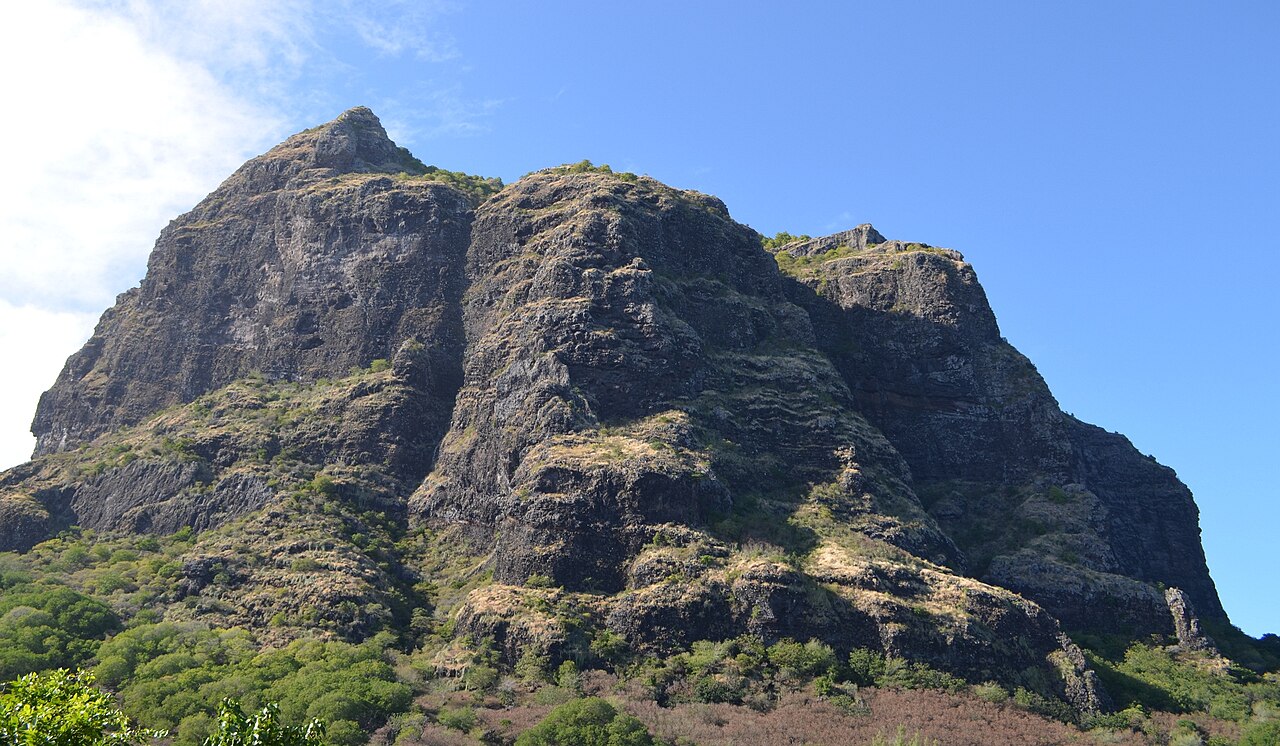
For calmer beach days, compare the western strip around Flic-en-Flac and Tamarin with Trou-aux-Biches and Grand Baie in the north. The east coast around Belle Mare is attractive for broad beaches but can feel windier when southeast trades are active. Le Morne, on the southwest peninsula, is famous for its mountain-and-lagoon setting and draws wind-sport enthusiasts rather than only sunbathers. Blue Bay and Mahébourg in the southeast make a different base, placing the lagoon and the historic port area close together. Blue Bay is not merely a sheltered corner of coast: it is a Ramsar Wetland of International Importance, Site No. 1744, designated on 31 January 2008 and covering 353 hectares, and it is run as a marine protected area under regulations made in 2001. That status, rather than the weather, is what fixes where boats may go and where swimmers may enter.
Mauritius is nearly encircled by coral reef, but the rocky southern stretches break that pattern. Treat a protected lagoon and an open-ocean cliff or surf beach as different places, particularly when choosing where to swim or snorkel. The official cyclone season runs from November 1 to May 15; that date range matters for insurance and flexible arrangements even though a cyclone is not an everyday event.
Picture the place
On the western shore, a reef-protected lagoon makes a broad pale-blue foreground; at Le Morne a steep dark mountain rises beyond the sand. The exposed southern shoreline has a visibly different character, with rock and direct ocean swell.
The easily missed detail
October can offer a combination of lower rainfall and warming temperatures, but it is still a different experience on a wind-exposed eastern beach than behind the more sheltered west coast. Choose the actual shore before choosing accommodation, not the other way around.
A practical rhythm
- Early morning — Explore the west-coast beach at Flic-en-Flac or the north-coast sand at Trou-aux-Biches before midday heat.
- Afternoon — Use the reef lagoon for a licensed boat or snorkeling excursion where local operating and sea conditions allow.
- Evening — Return to a west-facing waterfront for the sunset rather than planning a cross-island transfer in the dark.
What could complicate the plan
The cyclone season begins in November, southeast trade winds can affect winter boat outings, and sections of the unprotected south coast are not suitable for casual swimming. The island may be compact, but coastal travel between distant beaches still takes planning.
What to do next
For the contrast between beaches and cultural experiences, continue to the Mauritius coast things-to-do answer (); the regional food answer () covers what to eat near these bases.
Sources
- Mauritius Meteorological Services — coastal sunshine, seasonal rainfall and regional contrast
- Mauritius government — reef-fringed geography, southern coast, food heritage
- Le Morne Heritage Trust Fund — southwest landscape and heritage significance
- Ramsar Sites Information Service, Blue Bay Marine Park — Site No. 1744, designated 31 January 2008, an area of 353 hectares, and marine protected area status under the Fisheries and Marine Regulations of 2001
- U.S. State Department — entry and passport requirements