Mauritius country guide When to visit
When is the best time to visit Mauritius for Le Morne?
The short answer
May and October are strong choices for visiting Mauritius with Le Morne as the anchor: they avoid the rainiest summer peak and the most persistent winter trade winds while allowing time for the island’s national heritage and inland landscapes.
The answer, with local context
Mauritius has two broad climate seasons rather than a conventional four-season calendar. The meteorological service describes the humid summer as November through April, and the drier, cooler winter as June through September. The national summer mean temperature is about 24.7°C (76.5°F), versus roughly 20.4°C (68.7°F) in winter. February and March are particularly rainy, while October is usually among the driest months. Rainfall also differs substantially between the coastal belt and high central plateau, so forecasts for one town should not be generalized to all of Mauritius.
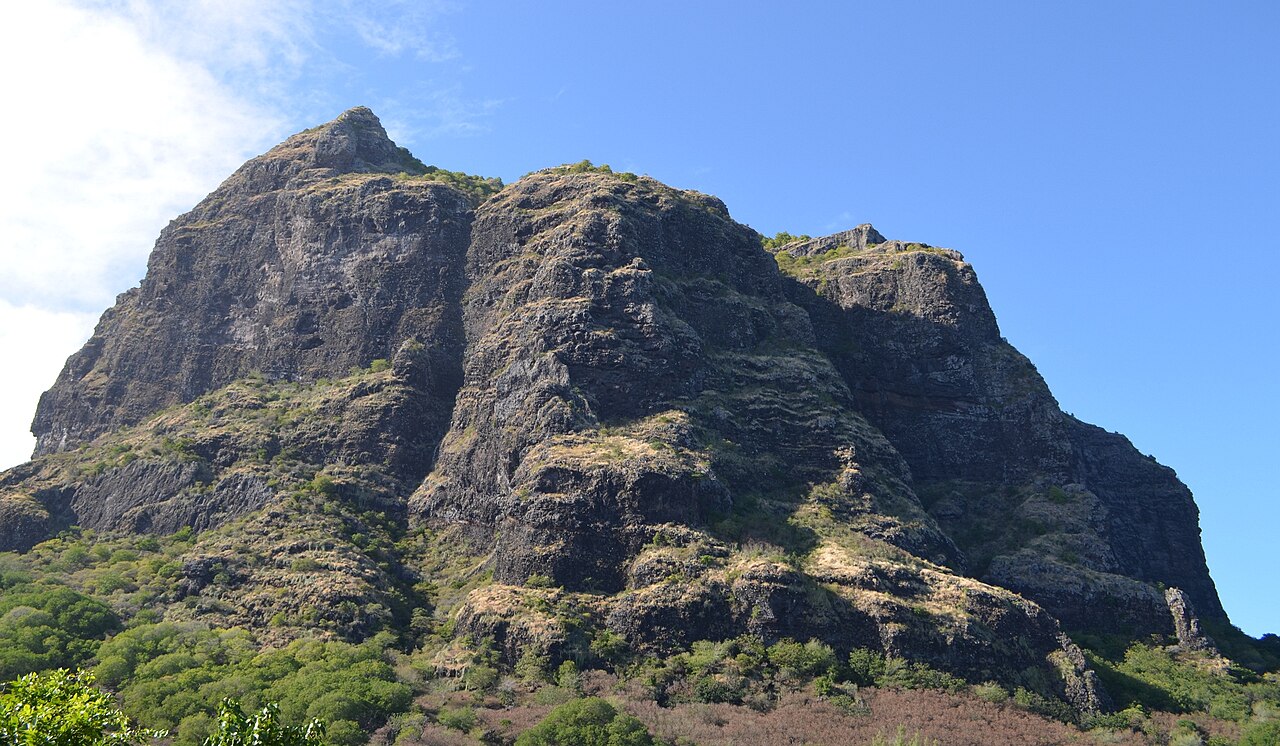
Le Morne occupies the southwest peninsula, where a steep basalt mountain rises behind the lagoon. UNESCO inscribed Le Morne Cultural Landscape in 2008, recognizing its associations with people escaping enslavement and its symbolism of resistance. The inscribed property covers 349.6 hectares, with a separate surrounding buffer zone of approximately 2,405 hectares. It is a cultural landscape, not simply a scenic summit or a free-for-all beach trail.
For a first national itinerary, treat Le Morne as one base or day cluster, then leave room for other landscapes: Port Louis and Aapravasi Ghat represent a different historical chapter; Black River Gorges and Chamarel shift the focus to upland terrain; Mahébourg and Blue Bay open onto the southeast lagoon. The east coast can feel windier during the southeast trade-wind period, which helps explain why visitors based at Le Morne or the west should not assume identical water conditions everywhere.
Picture the place
The mountain’s near-vertical silhouette above a reef-fringed lagoon gives Le Morne a striking profile; the green highlands and the busy Port Louis waterfront show that this is only one face of Mauritius.
The easily missed detail
Le Morne was inscribed for a history embodied in landscape and collective memory, not for a single monument with one ticket line. That changes how to visit: dedicate time to context and the peninsula, not just to a photograph of the peak.
A practical rhythm
- Morning — Visit the Le Morne coastal cultural landscape while temperatures are more comfortable.
- Afternoon — Use the southwest base for the lagoon or connect the day with Black River district landscapes.
- Another day — Give Port Louis and Aapravasi Ghat their own time rather than attaching them to a rushed Le Morne outing.
What could complicate the plan
The official cyclone season runs November 1–May 15, and any organized ascent or guided heritage activity may have access conditions separate from the surrounding public coast. For U.S. passport holders, the State Department states short tourist stays of up to 60 days generally do not require a visa, but passport and onward-travel requirements still apply.
What to do next
broadens the trip beyond Le Morne, while turns the national contrasts into a practical itinerary.
Sources
- UNESCO World Heritage Centre — Le Morne inscription, landscape, historical values
- Mauritius Meteorological Services — seasons, rain and temperature
- Mauritius government — island geography and cuisine
- U.S. State Department — U.S.-passport tourist stay