Mexico country guide Food and drink
What local dishes should I try in Mexico, and where should I look for them?
The short answer
Mexican cooking is itself inscribed on UNESCO's Representative List of the Intangible Cultural Heritage of Humanity, added in 2010 under the title "Traditional Mexican cuisine — ancestral, ongoing community culture, the Michoacán paradigm."
The answer, with local context
The title does the work of a recommendation. What was listed is an ancestral and ongoing community practice, with Michoacán named as the paradigm case rather than the only one. Looking for that practice means looking for places where cooking is continuous and local — a market kitchen, a village comedor, a family operation that has not changed its range in a decade — instead of a menu assembled to represent the country.
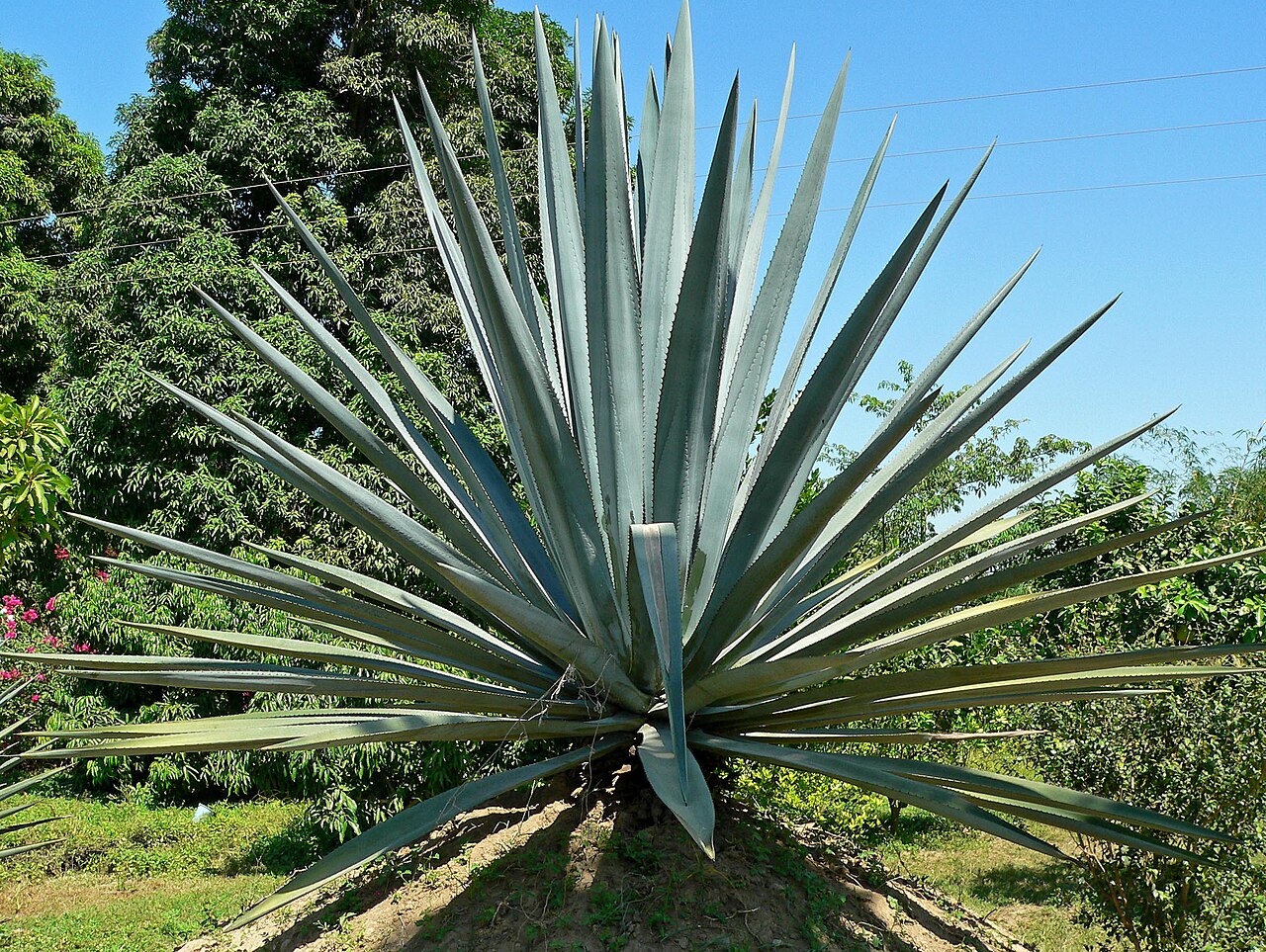
Mexico's agave spirits are the other reliable map, because each is legally pinned to a territory. Tequila's denomination of origin dates to 1977, the oldest of the 18 the country protects. Bacanora followed in 2000 from Sonora, Sotol in 2002, Charanda in 2003, and Raicilla as recently as 2019. Ordering by denomination rather than by brand is the quickest way for a visitor to taste across regions, since each name maps to a different plant, climate and distilling tradition.
The link between landscape and plate is formally recognized too. The chinampa system in Mexico City, built on artificial islands worked between canals, was designated a Globally Important Agricultural Heritage System in 2017 — an agricultural designation rather than a culinary one, but it is the reason the capital's markets are supplied by farmland inside the city limits.
The easily missed detail
Because the inscription rests on transmission within communities, the best eating in Mexico is often tied to a place rather than to a chef. A stall that has held the same corner for twenty years and a restaurant that has reinterpreted the same dish are not equivalent under the terms of the listing. Asking what a cook's family makes, rather than what the kitchen is known for, usually lands closer to what was recognized.
A practical rhythm
- Markets first — The listed tradition is a community one, and market halls are where it operates daily.
- Drink by denomination — Tequila from 1977, bacanora from 2000, sotol from 2002, charanda from 2003, raicilla from 2019: five regions, five registered names.
- Follow the region — The paradigm named in the inscription is Michoacán, which is a destination in its own right rather than a style served elsewhere.
What could complicate the plan
Food and water precautions still apply. The US Centers for Disease Control and Prevention has published a notice for Salmonella Newport in Mexico, dated 30 May 2024 and set at Level 1 — Practice Usual Precautions — which is the lowest of its notice levels but is a live notice all the same. Protected spirits also vary enormously in price and availability outside their home states, and a denomination guarantees origin rather than quality.
What to do next
The places-and-experiences answer in this group routes a trip through the regions these products come from, and the trip-planning answer covers entry and pacing.
Sources
- UNESCO Intangible Cultural Heritage — 2010 inscription and element title
- Government of Mexico, Secretaría de Relaciones Exteriores — denomination of origin dates for tequila, bacanora, sotol, charanda and raicilla
- US Centers for Disease Control and Prevention — Salmonella Newport notice, Level 1, 30 May 2024
- UN Food and Agriculture Organization, GIAHS — 2017 designation of the chinampas system