Mexico country guide When to visit
When is the best time to visit Mexico for Mexico City?
The short answer
Let the gate schedules set your dates rather than the season — the capital's World Heritage property is open-air and accessible year-round, while the archaeological zones most visitors pair with it close on a fixed clock, Teotihuacán stopping admissions at 16:30 every day of the week.
The answer, with local context
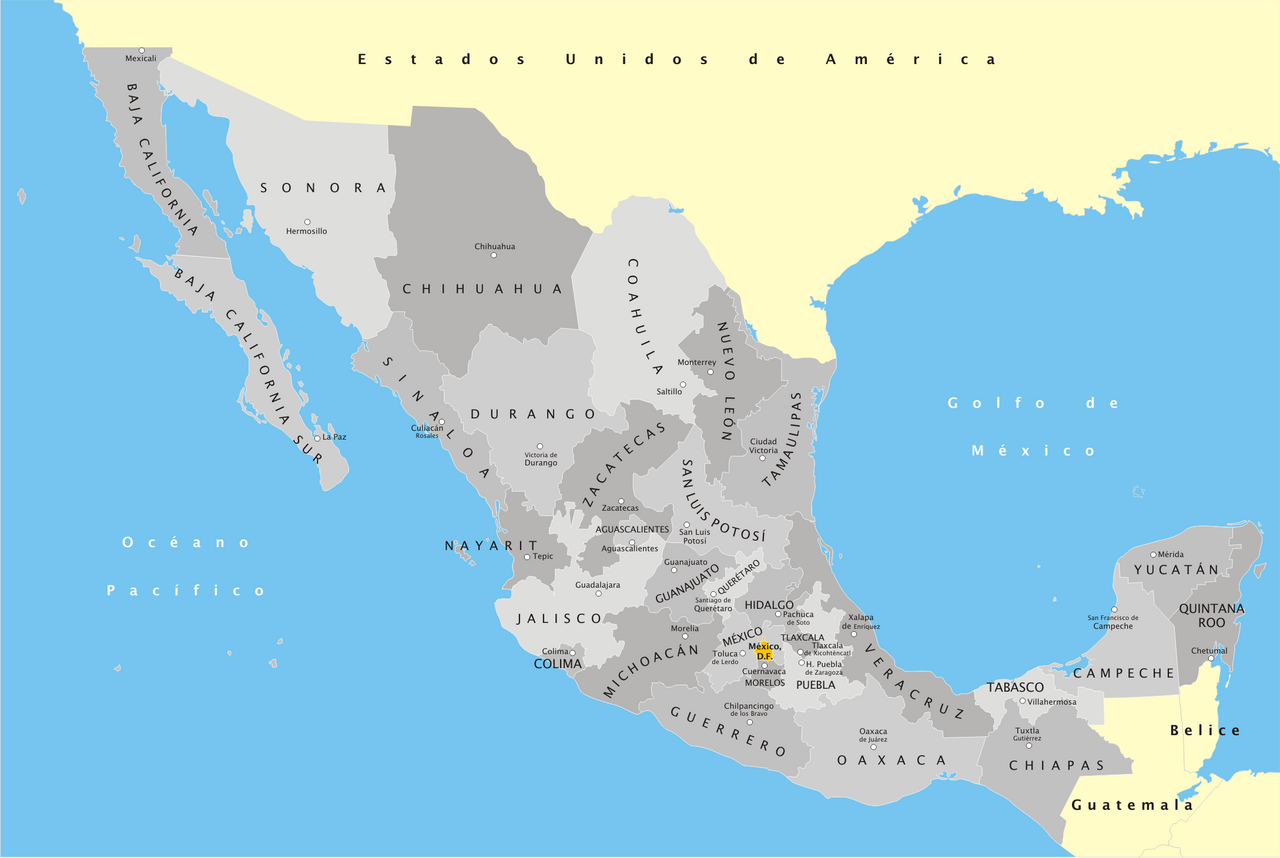
Mexico is too large and too vertically varied to have one travel season. The country runs from tropical coasts to high interior basins, and the capital belongs firmly to the second group — a city set in a ring of mountains, where altitude rather than latitude decides how a January morning feels. Any national answer that gives one window is flattening a federation of very different climates.
What does hold nationally is that the cultural infrastructure keeps published hours, and those hours are where a trip succeeds or fails. The capital's listed property is the Historic Centre of Mexico City and Xochimilco, inscribed in 1987, and it is the rare World Heritage site you can walk through at any hour because much of it is street and canal. The ticketed sites around it are the constraint. Teotihuacán, the obvious day trip from the city, is open every day from 08:00 to 17:00 with last access at 16:30, charging 105 pesos for national visitors and 210 pesos for foreign visitors.
Health guidance is regional rather than seasonal, and it is worth reading before fixing a route. The US Centers for Disease Control and Prevention has a notice for Rocky Mountain Spotted Fever in Mexico dated 23 December 2025, set at Level 1 — Practice Usual Precautions — and scoped specifically to Mexico's northern border states. For a trip centered on the capital that notice does not apply geographically, which is exactly the point: Mexico's advisories are issued state by state, not country-wide.
The easily missed detail
Mexico City is one of the few capitals whose World Heritage inscription includes working agricultural land, so the "best time" question has two answers inside it. The historic center is indifferent to the month. The canal landscape in the south is not, because it is cultivated ground and responds to cold and rainfall. Deciding which half of the property you care about most does more for your dates than any monthly average.
A practical rhythm
- Mornings in the capital — Keep them for ticketed interiors, which open earlier than the day heats up and close in mid-afternoon.
- One full day out — Teotihuacán needs to begin before 09:00 if you want the site rather than the last hour of it.
- Evenings — The inscribed streets stay walkable after the gates shut, which is when the center is least crowded.
What could complicate the plan
The two-tier admission system is standard at federal sites: foreign visitors pay double the national rate, which adds up across a multi-site itinerary. Entry documents are the other fixed cost in planning — see the trip-planning answer in this group for the 180-day visitor limit. And because health notices are issued for named states rather than for Mexico as a whole, a route that adds a northern leg to a capital-based trip picks up guidance that a capital-only trip does not.
What to do next
The places-and-experiences answer in this group covers what to add beyond the capital, and the trip-planning answer handles entry rules and pacing.
Sources
- UNESCO World Heritage Centre — 1987 inscription
- Instituto Nacional de Antropología e Historia, Lugares INAH — Teotihuacán daily hours, last access, two-tier admission
- US Centers for Disease Control and Prevention — Rocky Mountain Spotted Fever notice, Level 1, 23 December 2025, northern border states