Nigeria country guide When to visit
When is the best time to visit Nigeria for Lagos?
The short answer
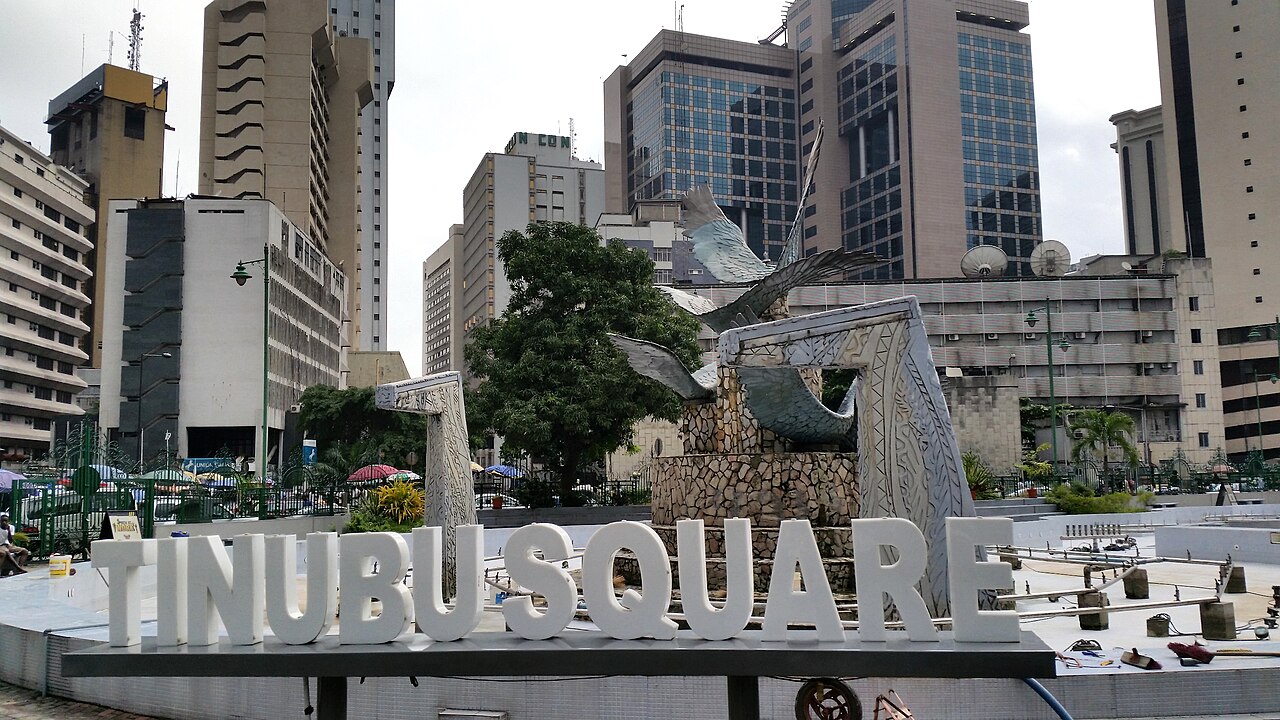
The dry season, and Lagos specifically — Lagos State is the rare part of Nigeria to which the FCDO assigns no advisory level at all, while the US Department of State's "Reconsider travel" rating applies nationally and Level 4 to more than 20 states.
The answer, with local context
Two official documents do most of the work in timing a Nigerian trip. The FCDO's regional-risks guidance divides the country state by state: it advises against all travel to Borno, Yobe, Adamawa, Gombe, Katsina and Zamfara, and to the riverine areas of Delta, Bayelsa, Rivers, Akwa Ibom and Cross River that are reachable only by boat; it advises against all but essential travel to 15 further states, plus the non-riverine areas of 3 others. Lagos State appears in the South West section with no advisory level assigned — a meaningful distinction in a country where most of the north and much of the southeast carries one. The same section warns that violent crimes including mugging, kidnapping, car-jacking and armed robbery are common, counsels particular caution on the mainland, and names street crime in crowded places and on foot after dark as the main risk.
The US Department of State tells Americans to "Reconsider travel to Nigeria due to crime, terrorism, unrest, kidnapping" and applies Level 4, Do Not Travel, to Borno, Jigawa, Kogi, Kwara, Niger, Plateau, Taraba, Yobe and northern Adamawa; to Bauchi, Gombe, Kaduna, Kano, Katsina, Sokoto and Zamfara; and to Abia, Anambra, Bayelsa, Delta, Enugu, Imo and Rivers except Port Harcourt. Lagos is on none of those lists.
For the seasonal half of the question, the one calendar published by an authority is cultural rather than meteorological. UNESCO's Intangible Cultural Heritage listing for the Ijele masquerade records that it is performed during the dry season, at celebrations and burial ceremonies, and that it dances at the end of a series of other masquerades — so the dry months are when Nigeria's masquerade calendar is at its fullest. The FCDO's own dry-season reference runs the other way and is worth knowing: in the North East, it says, the risk of kidnap and violent attacks is heightened in the dry season, precisely because the roads become more passable.
The easily missed detail
Lagos's practical difficulty is movement, and it has been regulated. The State Department notes that motorbikes — okadas — are banned on many major Lagos roads, and that the city's traffic congestion can cause long emergency response times. It also records that consular emergency assistance is limited outside Abuja and Lagos and their immediate surroundings, which makes Lagos one of only 2 places in the country where that help is close at hand. Plan journey times generously and resist the informal transport that the ban has pushed to the margins.
A practical rhythm
- Season — Target the dry months, when the UNESCO-listed Ijele masquerade season is underway in the southeast.
- Within the city — Build in long transfers; okadas are banned on many major roads and congestion lengthens every journey.
- Beyond the city — Check any onward destination against both advisory lists before committing, since more than 20 states carry Level 4 designations.
What could complicate the plan
Entry has to be arranged in advance. The FCDO states that visa on arrival is no longer available and that all visa applications must be submitted through the online portal prior to travel; the State Department adds that visas on arrival exist only for business travel and require pre-approval. A passport must expire at least 6 months after arrival, and US guidance also requires at least 1 blank page and an M or F sex marker. A yellow fever certificate is required, with the FCDO noting that infants aged 8 months or younger and adults aged 61 and older are exempt, and US guidance requiring yellow fever and polio documented on a WHO yellow card, with the yellow fever dose given within the past 10 years. An online Nigeria Health Declaration Form must be completed before travel for Ebola screening.
What to do next
The Nigeria trip-planning question walks through the visa portal, vaccination and declaration steps; the places question covers the two World Heritage properties and where they sit relative to the advisory lists.
Sources
- UK Foreign, Commonwealth and Development Office — state-by-state advisory lists, Lagos State carrying no level, South West crime warnings, dry-season road accessibility in the North East, visa portal rule, passport validity, yellow fever age exemptions, Health Declaration Form
- US Department of State, Nigeria country information — advisory wording, the three Level 4 state groupings, okada ban, consular coverage limited to Abuja and Lagos, passport and vaccination requirements
- UNESCO Intangible Cultural Heritage, Ijele masquerade — dry-season performance period