Norway country guide Trip planning
How can I plan a memorable first trip to Norway without rushing?
The short answer
Pick one axis of the country and give it ten to fourteen days — Norway runs more than a thousand miles from the southern coast to the Arctic, and its World Heritage sites alone span from Urnes on the Sognefjord to Alta in Finnmark, inscribed 1979 and 1985 respectively.
The answer, with local context
The single most useful decision is to stop treating Norway as one destination. A western itinerary built around Bergen and the fjord arms, a central one through the inland plateau and the mining country around Røros, and a northern one reaching Alta are three separate trips, and compressing them produces a week of airports and overnight transfers. Bergen is the natural anchor for a first visit because it is both a World Heritage city in its own right — Bryggen was inscribed in 1979 — and the gateway to the fjord network behind it.
Build the budget around weather, not around sights. Bergen's Meteorological Institute station recorded 171 days with more than a millimeter of precipitation in 2021 and 213 such days in 2024. That range matters more than the averages: a fortnight on the west coast will almost certainly include several fully wet days, and a plan with no indoor alternatives for them will fail. Giving each base three or four nights instead of two, and leaving at least one unscheduled day per base, is what turns bad weather from a ruined day into a rearranged one.
Accommodation can be genuinely flexible here in a way it is not in most of Europe, because the right of access under the Outdoor Recreation Act lets you camp on uncultivated land, including privately owned land, without permission. The rules are specific: at least 150 meters from the nearest inhabited house or cabin, and no more than two nights in the same spot without the landowner's agreement, with an exception for mountains and very remote areas. Knowing that removes a lot of booking pressure from a hiking leg.
Picture the place
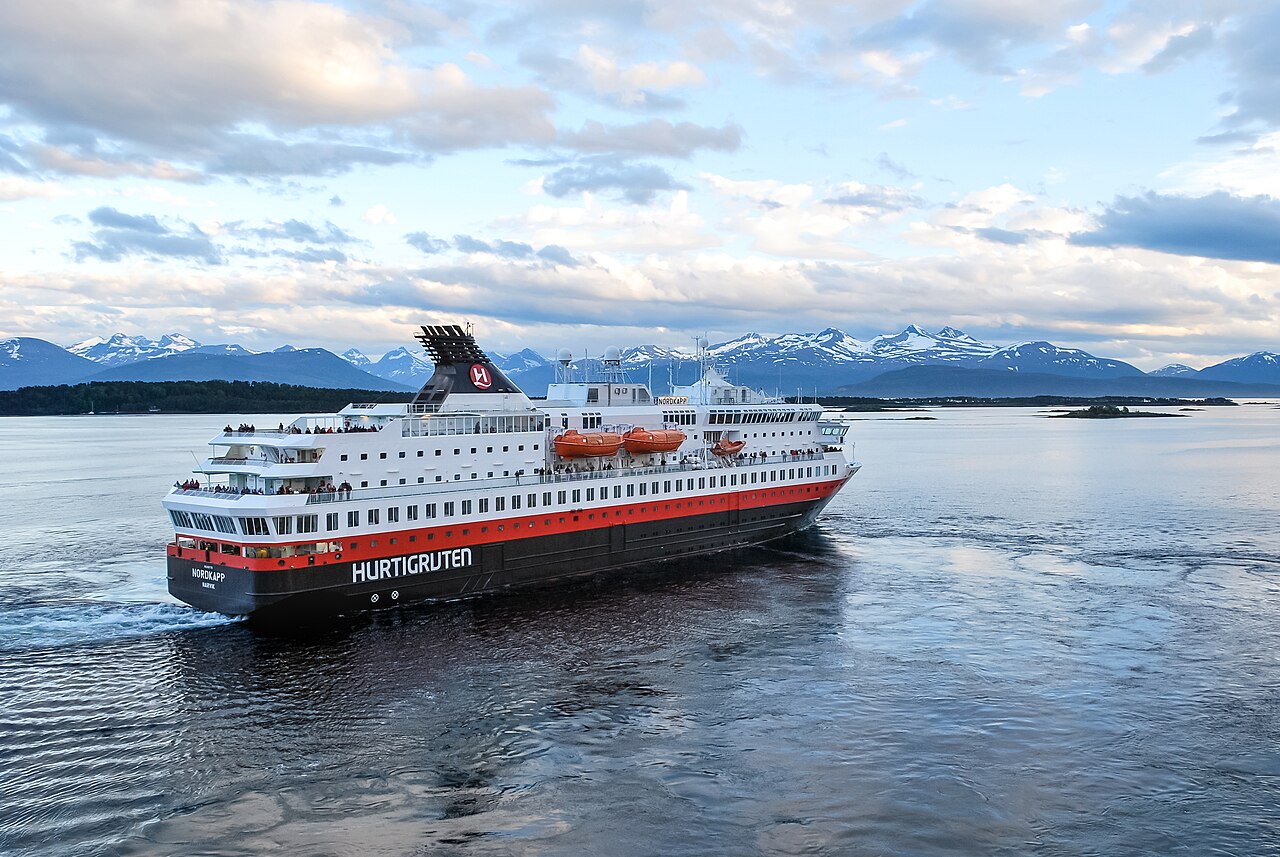
The west coast is a geography of interruptions. The road does not run straight anywhere; it runs around the head of an inlet, up over a shoulder, and back down to the water. That is why two points that look close on a map can take most of a day — and why an itinerary that assumes highway speeds between fjord arms unravels on the first morning.
The easily missed detail
Norway's protected-area rules override the general right of access, and travelers plan around the wrong assumption. Additional restrictions apply inside nature reserves and national parks to protect vulnerable wildlife and plant habitats, so the camping and fire freedoms that hold on ordinary uncultivated land may not hold where you most want to use them. Separately, open fires in nature are prohibited nationwide from 15 April to 15 September, with limited exceptions where fire risk is low, such as by the sea or at approved fire sites — and in extreme drought the ban extends to barbecues, gas burners and camping stoves.
A practical rhythm
- Days 1 to 4 — Bergen and the inner fjord arms, with the city's own World Heritage quarter as the wet-weather fallback.
- Days 5 to 9 — One inland or coastal leg, three nights minimum per base, one day left deliberately empty.
- Days 10 to 14 — Either the far north or a slow return, not both.
What could complicate the plan
Norway is inside the Schengen Area, so a short visit by a US passport holder needs no visa but is counted against the 90-days-in-180 Schengen allowance shared with every other country in the zone — relevant to anyone combining Norway with a longer European trip. Mountain roads and high passes open progressively through late spring, so an early-season plan that includes an inland crossing can meet a closed road. The two-night camping limit and the 150-meter setback are enforceable rules rather than etiquette. And the precipitation record cuts both ways: Bergen's wettest recent years have put more than 200 wet days on the board, which is a different proposition from a rainy week.
What to do next
Start with the Norway when-to-visit answer for the month-by-month case for late May and June, then the Norway places-and-experiences answer for the three World Heritage sites worth building a leg around.
Sources
- Visit Norway (official national tourism board) — Outdoor Recreation Act camping rights, 150-meter setback, two-night limit and its exception, national fire ban dates, drought restrictions, protected-area rules
- Meteorologisk institutt, via Bergen kommune — wet-day counts for 2021 and 2024
- UNESCO World Heritage Centre — inscription years for Bryggen (1979), Urnes Stave Church (1979) and the Rock Drawings of Alta (1985)