Oaxaca / Mexico Food and drink
Where should I eat in Oaxaca, and which local food or drink is worth trying?
The short answer
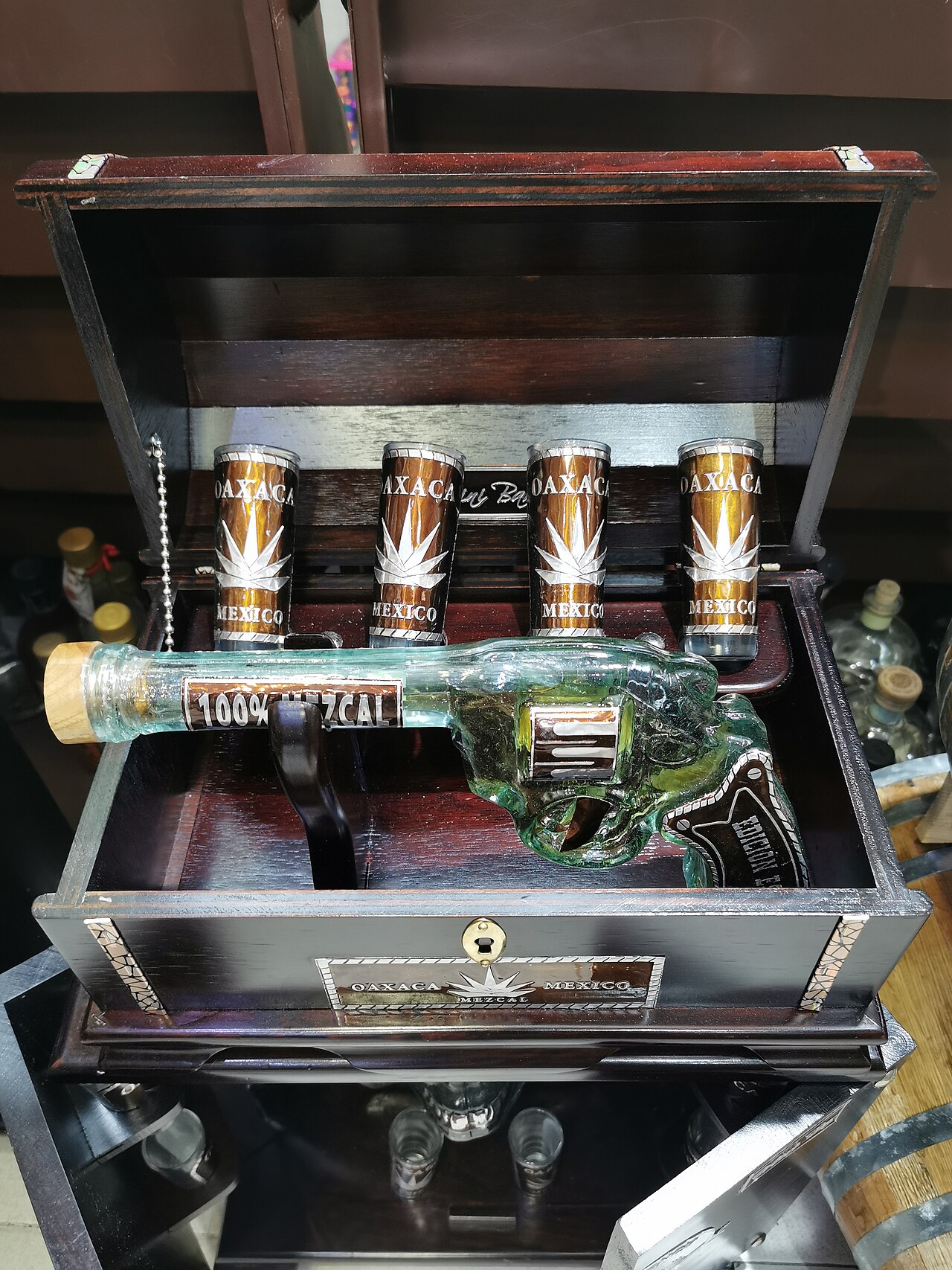
Eat mole and drink mezcal from the state that holds the oldest claim to both — Mexico's General Declaration of Protection for the Mezcal appellation of origin was published in the Diario Oficial de la Federación on 28 November 1994, naming Oaxaca among the first five protected states.
The answer, with local context
Mezcal's legal identity is older and narrower than its current market suggests. The Mexican Institute of Industrial Property's declaration, published on 28 November 1994, protected mezcal produced in Guerrero, Oaxaca, Durango, San Luis Potosí and Zacatecas. The boundary has been contested ever since: a 1997 request from the Government of Tamaulipas sought to add municipalities in that state to the protected area, and further municipalities have been proposed since. Oaxaca's position inside the original five is why a bottle from the Valles Centrales or the Sierra Sur sits at the center of the category rather than at its edge.
The cooking has its own designation. UNESCO inscribed "Traditional Mexican cuisine – ancestral, ongoing community culture, the Michoacán paradigm" on the Representative List of the Intangible Cultural Heritage of Humanity in 2010, at the Committee's fifth session, under decision 5.COM 6.30. The citation is unusually specific about technique rather than dishes: a system built on corn, beans and chili, supplemented by native tomatoes, squashes, avocados, cocoa and vanilla; farming through milpas, the rotating swidden fields of corn and companion crops, and chinampas, the constructed farming islets of the lake areas; and nixtamalization, the lime-hulling of maize that raises its nutritional value. Grinding stones and stone mortars are named as the tools of the system.
In Oaxaca that description is not historical. A tlayuda is nixtamalized maize pressed thin and toasted; tejate is maize and cacao ground on a metate; a mole negro runs to dozens of components with chilhuacle chiles and cacao among them. Moles amarillo, coloradito and verde are separate preparations rather than variations on one sauce, and the market comedores in the Central de Abastos and the Mercado 20 de Noviembre are where all of them are cooked at volume.
Picture the place
In the covered markets the smell divides cleanly by aisle — toasted chile and cacao at the mole stalls, charcoal smoke and dripping fat at the meat grills, and the sharp vegetal note of fresh masa where the metates are still turning.
The easily missed detail
The appellation protects the word, not the method, and the method is what varies. Mezcal from Oaxaca may be distilled in clay or copper, from cultivated espadín or from wild agaves that take well over a decade to mature, and the differences are far larger than between two whiskeys of the same age. Ask which agave and which still before you ask which brand — that is the distinction the 1994 declaration cannot make for you.
A practical rhythm
- Morning — Tejate and chocolate de agua are market drinks, ground and served where they are made rather than bottled.
- Midday — Mole is a long-cooked dish and the market comedores serve it at its best when the pots have been on since early.
- Evening — Mezcal is drunk slowly and neat in Oaxaca, with orange and sal de gusano rather than mixed.
What could complicate the plan
The State Department's advisory for Mexico is Level 2: Exercise Increased Caution, dated May 29, 2026, and carries separate state-level guidance that bears on travel out to distillery villages in the Valles Centrales. Carrying mezcal home is a customs question of volume and duty, not a souvenir decision. Markets run on cash, and the comedores inside them keep market hours rather than restaurant hours — a 9 pm plan for a market lunch stall will not work.
What to do next
See the Oaxaca things-to-do answer for Monte Albán's admission and rules, and the when-to-visit answer for the months when the valley roads out to the mezcal villages are most reliable.
Sources
- UNESCO Intangible Cultural Heritage — element name, 2010 inscription, decision 5.COM 6.30, staples and techniques
- Mexican Institute of Industrial Property, General Declaration of Protection of the "Mezcal" appellation of origin, via WIPO Lex — publication date in the Diario Oficial de la Federación, the five original protected states, the 1997 Tamaulipas request
- US Department of State — advisory level and date