Osaka / Japan Food and drink
Where should I eat in Osaka, and which local food or drink is worth trying?
The short answer
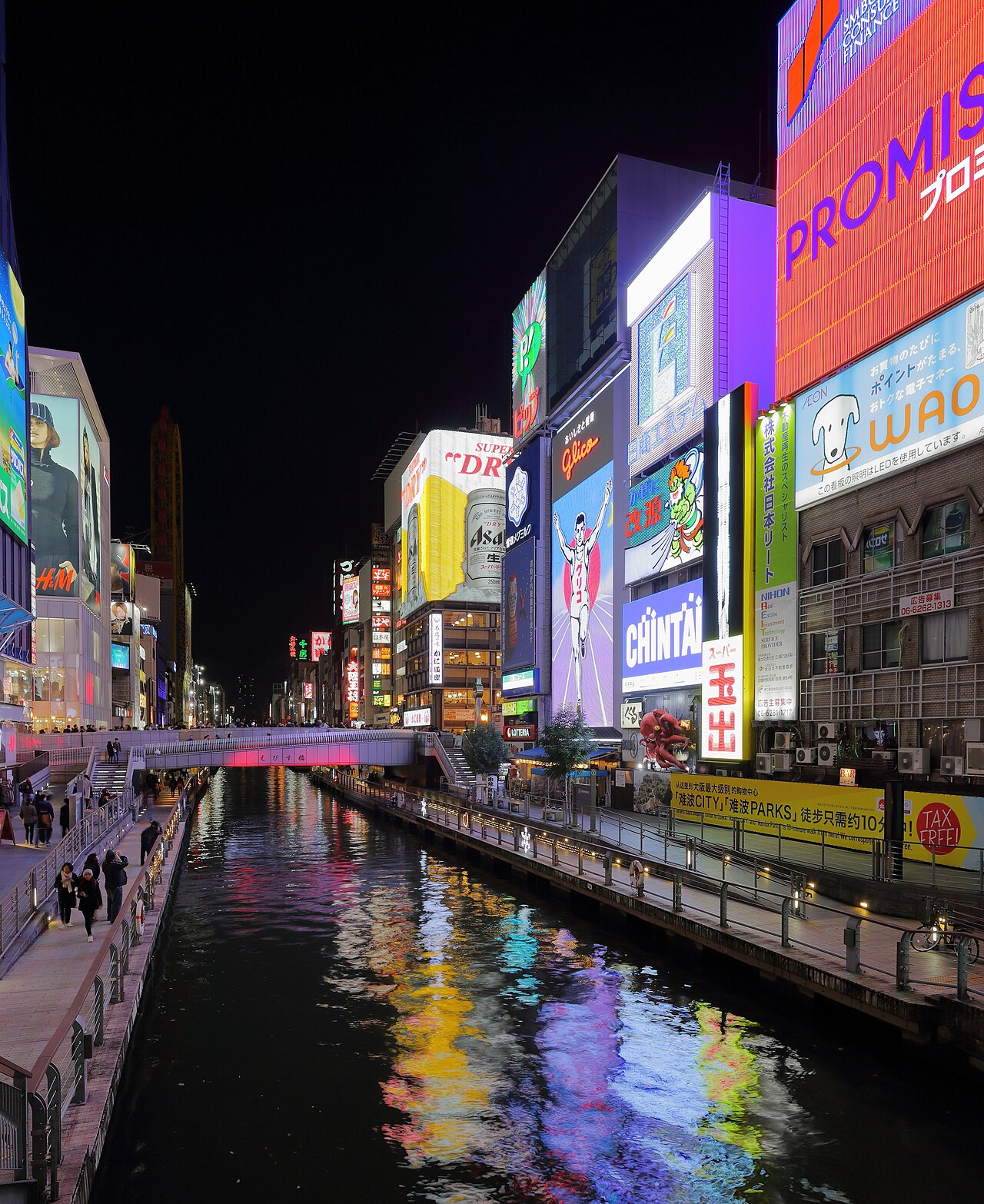
Dotonbori for takoyaki and okonomiyaki, Shinsekai for kushikatsu, and Kuromon Ichiba market for raw ingredients and standing counters — three districts that each do one thing the rest of Japan associates with Osaka.
The answer, with local context
Osaka's reputation as a food city rests on commercial history, not folklore. The Dojima Rice Exchange, established in the city in 1697, handled rice from across the country and is widely recognized as the first organized futures market anywhere; the goods that passed through Osaka's warehouses are the reason its cooking leans toward abundance and strong seasoning rather than restraint. Japan's broader culinary tradition carries formal recognition too: Washoku, traditional dietary cultures of the Japanese, notably for the celebration of New Year, was added to UNESCO's Representative List of the Intangible Cultural Heritage of Humanity in 2013 at the Intergovernmental Committee's 8th session in Baku.
The dishes to look for are specific. Takoyaki, batter spheres with octopus inside, cooked in dimpled iron plates. Okonomiyaki, a cabbage-heavy savory pancake that in Osaka is mixed rather than layered. Kushikatsu, skewered and breaded items deep-fried to order, which is Shinsekai's signature below the Tsutenkaku tower. Kitsune udon, the fried-tofu noodle bowl that originated in the city. Hakozushi, the pressed box-mould sushi that predates the hand-formed Tokyo style. Horumon, grilled offal, which is a working-class Osaka specialty rather than a novelty.
Where to go breaks down geographically. Dotonbori and the Shinsaibashi arcades concentrate the griddle food and the late hours. Kuromon Ichiba, a covered market street near Nipponbashi, sells fish, fruit and knives alongside stalls that grill and serve on the spot. Tenma and Fukushima, north of the river, are where the standing bars and small counters are dense enough that you can move between three in an evening.
Picture the place
Kushikatsu counters in Shinsekai keep a shared tub of thin sauce at the bar, and the one-dip rule posted beside it is not decoration — once a skewer has been bitten, it does not go back in.
The easily missed detail
Japan's consumption tax splits by how you eat. The National Tax Agency applies the reduced 8 percent rate to food taken away and the standard 10 percent rate to food eaten in, so at a market stall or a convenience counter the same item can carry two prices depending on the answer you give. It is a small sum per transaction and a noticeable one across a week of grazing.
A practical rhythm
- Morning — Kuromon Ichiba, when the fish counters are freshest and the market is working rather than performing.
- Afternoon — Tenma's covered shopping street, where small kitchens open early and the standing counters are cheap enough to treat as sampling rather than a meal.
- Night — Dotonbori and Shinsekai, where the griddles and fryers run latest and the canal frontage is the point as much as the food.
What could complicate the plan
Many of the best-known counters are small, cash-preferring and unsuited to groups, and several of the Dotonbori griddle stalls have no seating at all. Raw fish and shellfish are central to the market experience; the CDC's Global Measles notice of May 28, 2025 lists Japan and advises full measles vaccination before international travel, which is worth settling before a trip built around crowded indoor food halls. The US Department of State's Japan advisory, issued May 15, 2025, sits at Level 1.
What to do next
For the seasonal side of this — which months put you in Osaka without August heat or the June rain front — see the Osaka timing question in this group.
Sources
- Ministry of Foreign Affairs of Japan — official Washoku element name, inscription year and committee session
- National Tax Agency of Japan — consumption tax authority and indirect tax guidance
- US Centers for Disease Control and Prevention, travel health notices — Global Measles notice and vaccination advice
- US Department of State, Japan travel advisory — advisory level and date