Panama City / Panama Things to do
What are the most worthwhile things to do in Panama City on a first visit?
The short answer
Watch a ship climb the Miraflores Locks, walk the Casco Viejo's four plazas, climb the tower at Panamá Viejo, and cross the Amador Causeway to Frank Gehry's Biomuseo — the canal and the colonial city in two days.
The answer, with local context
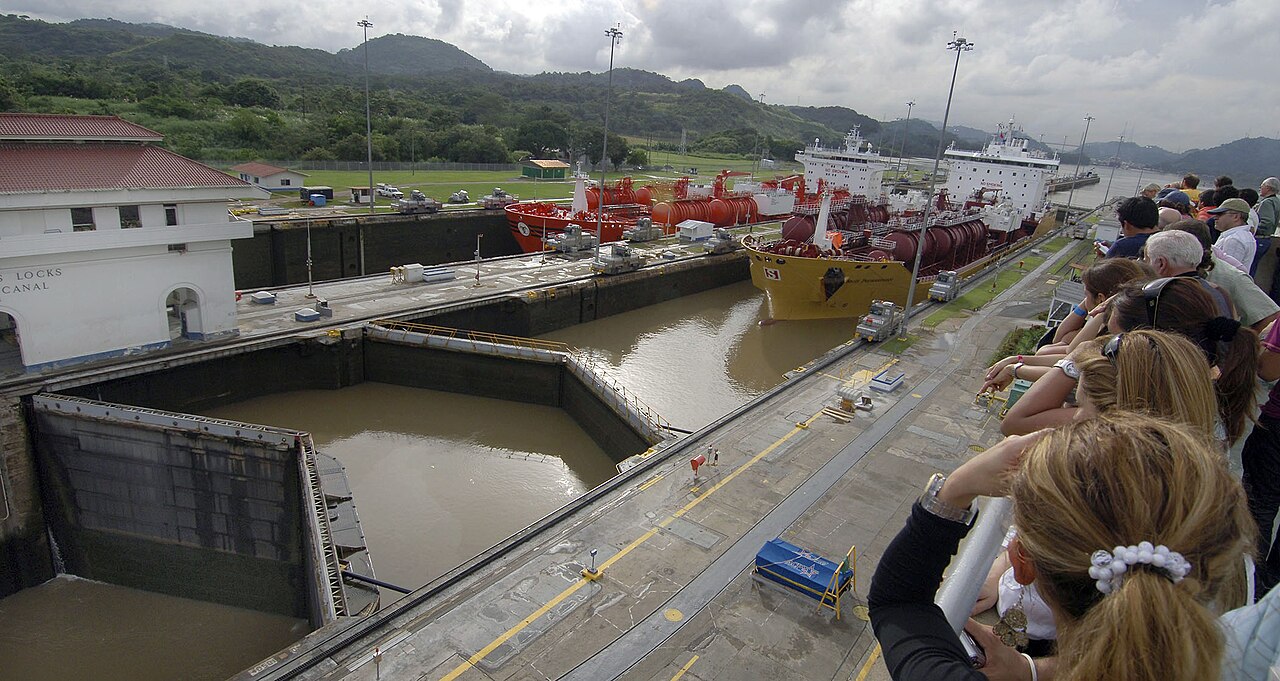
Start at the canal, but time it like a local: the Miraflores Visitor Center, run by the Panama Canal Authority beside the Pacific-side locks, is open daily from 8:00 a.m. to 6:00 p.m. (ticket office to 5:00 p.m.), and adult non-resident entry at US$17.22 includes the center's IMAX canal film. Ships are the show, and they bunch in the morning and again from early afternoon — a midday arrival can mean an hour of empty chambers. From the top deck you watch a Panamax vessel rise 54 feet (16.5 m) in two steps toward Gatun Lake, 85 feet (26 m) above the sea, on a journey of 8 to 10 hours through the 50-mile (80 km) waterway that opened on August 15, 1914 and still carries 13,000 to 14,000 transits a year. If you want to be on the water yourself, partial-transit boats run through Miraflores and Pedro Miguel locks on set days and take 5 to 6 hours.
Give the second half-day to the city's two historic lives. At Panamá Viejo, the 1519 original, the climbable cathedral tower stands over a grid of ruined convents destroyed when Henry Morgan sacked the city in 1671. Its replacement, the Casco Viejo, is a working UNESCO-listed neighborhood: the Metropolitan Cathedral on Plaza de la Independencia, its towers faced in mother-of-pearl; the Interoceanic Canal Museum in the former French canal company's headquarters; the golden altar of San José church, which legend says was painted black to hide it from Morgan; and the flat Arco Chato of Santo Domingo, an engineering curiosity that stood unsupported for centuries.
Then take the city outdoors. The Amador Causeway, built from rock excavated for the canal, runs some 4 miles (6 km) out to four former island forts guarding the Pacific entrance; walk or cycle it at golden hour to the Biomuseo — Frank Gehry's riot of colored roofs, his only building in Latin America, opened in 2014 to tell the story of how the isthmus's rise 3 million years ago split an ocean and joined two continents' wildlife. For green without leaving town, Cerro Ancón (654 ft / 199 m) rises over the Casco with sloths and toucans on its trails, and the 573-acre (232 ha) Metropolitan Natural Park protects tropical forest inside the city limits. A third day buys a classic excursion: the Panama Canal Railway — completed in 1855, the world's first transcontinental railroad — to Colón and the UNESCO forts of San Lorenzo, or a morning on Pipeline Road in Soberanía National Park, where more than 500 bird species have been recorded along a single forest track.
Picture the place
At the Miraflores top deck a 950-foot container ship eases into the chamber below you, the little electric "mules" taut on their cables, and the whole vessel rises the height of a five-story building in about twenty minutes of near silence.
The easily missed detail
The most quietly astonishing room in the city is in the Canal Museum in the Casco: this neighborhood ran the canal before the canal existed — the French effort's headquarters, the 1881 start, the failure — and the Salón Bolívar next to the museum hosted Simón Bolívar's 1826 Amphictyonic Congress, the reason UNESCO extended the listing in 2003. First-timers walk past both on their way to lunch.
A practical rhythm
- Locks on a checked schedule — Look up the day's transit windows the night before and arrive for the morning or early-afternoon bunch, not midday
- Two old cities, one morning — Panamá Viejo at opening, then the Casco's plazas and museum before the heat peaks
- Causeway at golden hour — Biomuseo in the late afternoon, then walk the Causeway as the skyline lights up
What could complicate the plan
Canal operations bend to water: during the recent drought the Canal Authority cut daily transits well below the usual level (33 slots a day from October 2026), which thins the viewing schedule at Miraflores — check the current transit windows before promising anyone a ship. The Casco's streets close or fill during Carnival and the November Fiestas Patrias, the Biomuseo closes on Mondays, and midday heat on the unshaded locks terraces is fierce in any month.
What to do next
Day one: Miraflores at a ship window, then the Causeway. Day two: Panamá Viejo early, Casco Viejo long. The canal and the city, in the order they were built.
Sources
- Panama Canal Authority (ACP) — Miraflores Visitor Center hours 8:00 a.m.–6:00 p.m., non-resident entry of US$17.22 including the IMAX film, published daily transit windows
- Panama Canal Authority (ACP) — the canal opened August 15, 1914; 80 km length; ships lifted 26 m to Gatun Lake; 13,000–14,000 transits a year
- UNESCO World Heritage Centre — Panamá Viejo and the Historic District (with Salón Bolívar, extended 2003)
- Audubon Society of Panama — Pipeline Road in Soberanía National Park, with 500-plus bird species recorded
- Biomuseo — Frank Gehry's only Latin American building, opened 2014, on the Amador Causeway