Panama City / Panama When to visit
When should I visit Panama City, Panama, for the best experience?
The short answer
January — the dry season is fully established, the trade winds take the edge off the humidity, and the Panama Jazz Festival fills the old town with music before Carnival takes the city over in February.
The answer, with local context
Panama City sits on the Pacific side of the isthmus, which makes its year simpler than the Caribbean coast's: a dry season from mid-December to mid-April and a wet one from May to November. The heat barely moves — highs hover near 88°F (31°C) all year — so what a month really changes is the rain and the air. In January the trade winds (the brisas) blow steadily, humidity drops to its annual low, afternoon downpours are rare, and ferries to Taboga Island and boats on the canal run on glassy water. It is the month when the city is most itself and most comfortable at once.
The cultural calendar agrees. The Panama Jazz Festival, founded by pianist Danilo Pérez in 2003, takes over venues in the City of Knowledge and Casco Viejo for a week in mid-to-late January — one of Latin America's most respected music events, and it lands when evenings are dry enough for its outdoor stages. Earlier in December the city is decorated but humid-holiday busy; by February, Carnival (the four days before Ash Wednesday) becomes a national party that many capital residents flee for the interior, leaving hotel prices high and streets alternately flooded with parades and emptied out.
January also flatters the city's two historic cores. The Archaeological Site of Panamá Viejo — the original city founded in 1519, the oldest European settlement on the Pacific mainland of the Americas, destroyed by the pirate Henry Morgan in 1671 — is an open-air ruin field best walked in dry mornings, and its successor, the Casco Viejo, refounded in 1673 two miles west, was inscribed with Panamá Viejo on UNESCO's World Heritage List in 1997. In the rains both are steamy slogs; in January you can walk the Viejo's cathedral tower and the Casco's plazas in the same comfortable day.
Picture the place
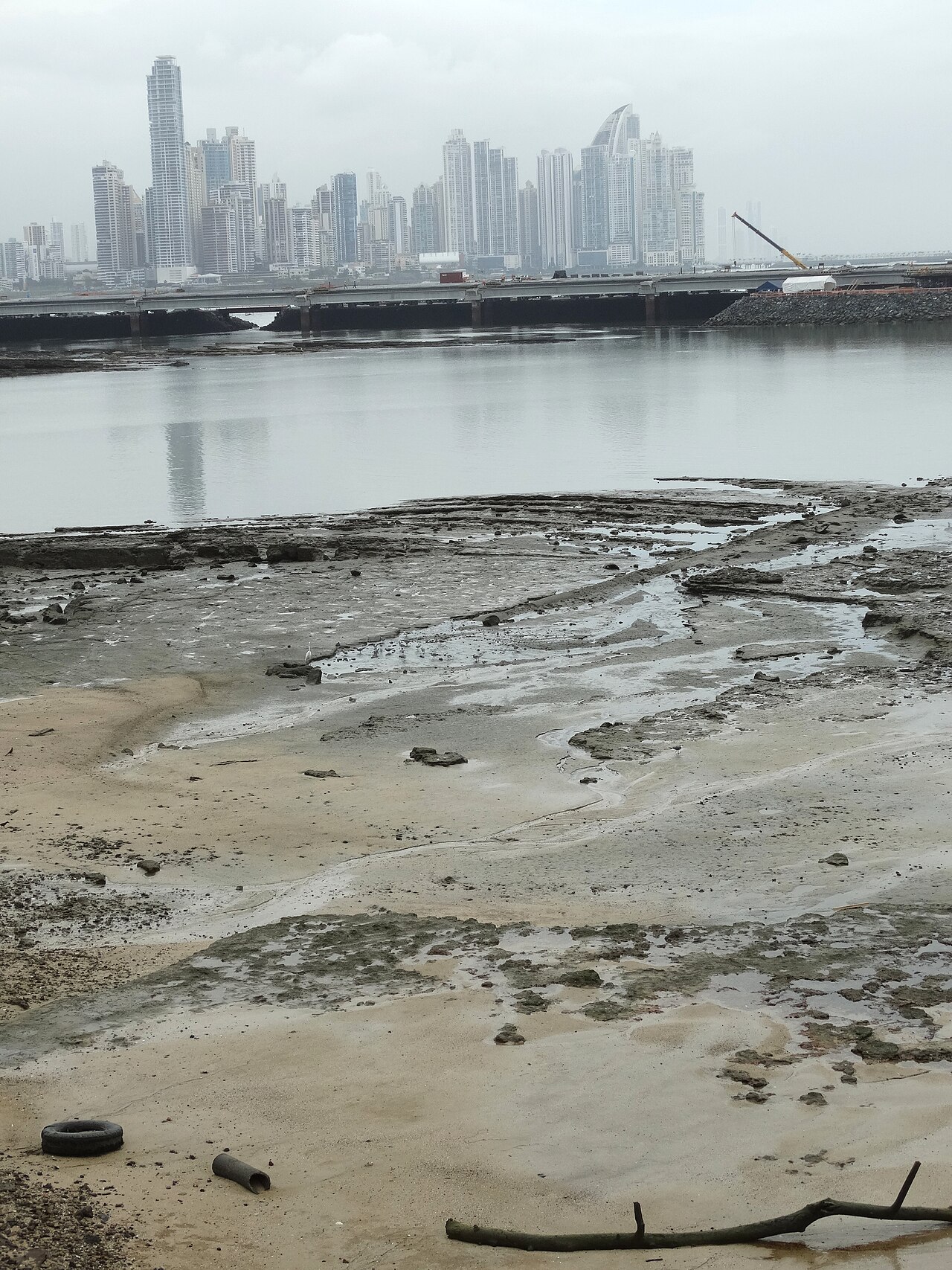
From the Casco Viejo at low tide in January, the bay gives up its mudflats in the foreground, white egrets working the shallows, and behind them the glass skyline of Paitilla and Punta Pacifica stands in dry-season haze as sharp as a render.
The easily missed detail
Panama City's money is a quiet convenience: Panama uses the U.S. dollar as its paper currency (the balboa exists only as coins, at par), so American visitors never change money at all — and January's dry season is also when the canal's Gatun Lake water levels, drained by the long dry months ahead, start the countdown that has recently forced transit restrictions by October.
A practical rhythm
- Anchor on the Jazz Festival — Time the trip to its mid-to-late January week and buy headline concert tickets early
- Ruins before ten — Walk Panamá Viejo at opening in the dry morning cool, then lunch in the Casco's shade
- Island day midweek — Take the 30-minute Taboga ferry on a weekday, when the "Island of Flowers" is emptiest
What could complicate the plan
November is the trap month in both directions: it holds the heaviest rains of the year and the Fiestas Patrias — independence holidays on November 3, 4, 10 and 28 — when the city parades, prices rise and many businesses close. Carnival in February/March is wonderful or exhausting depending on taste, and Semana Santa empties the capital entirely. Book January hotels by early December; the Jazz Festival sells out the Casco's boutique properties.
What to do next
Pick January dates around the Jazz Festival week, stay in or beside the Casco Viejo, and give Panamá Viejo its own dry morning.
Sources
- Panama Meteorological Institute (IMHPA) — the Pacific-slope dry season, mid-December to mid-April, with January humidity at its annual low
- UNESCO World Heritage Centre — Archaeological Site of Panamá Viejo and Historic District of Panamá, inscribed 1997; the city founded 1519, destroyed 1671, refounded 1673
- Panama Jazz Festival — founded 2003 by Danilo Pérez, held each January
- U.S. Federal Reserve / Banco Nacional de Panamá references — the balboa at par with the U.S. dollar, which circulates as the paper currency