Portugal country guide Trip planning
How can I plan a memorable first trip to Portugal without rushing?
The short answer
Build it around two mainland regions and nothing else — US citizens need no visa for Portugal, which removes the paperwork excuse for cramming the Azores, Madeira and the Algarve into the same two weeks.
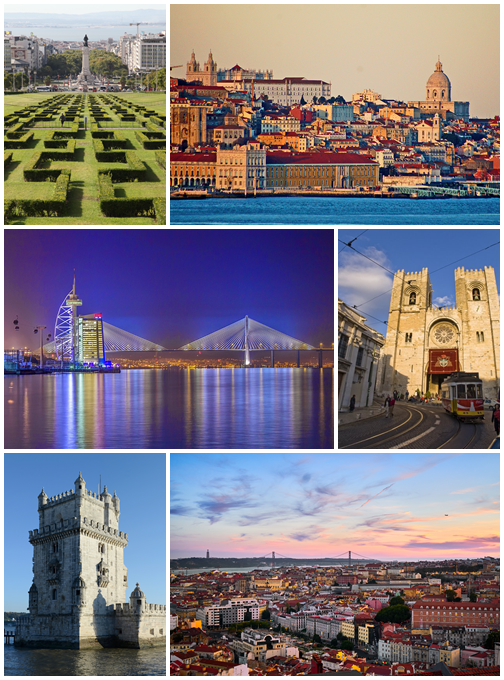
The answer, with local context
The entry side is straightforward and worth confirming before anything else. The EU Delegation to the United States states there is no visa obligation for US citizens traveling to the 30 European countries covered by visa-free short-stay arrangements, Portugal among them, and that a passport is all that is currently required. What governs the length of the trip is the Schengen clock, not Portuguese rules.
Two systems are changing that process. The European Commission reports that the Entry/Exit System has been fully operational across all Schengen countries since 10 April 2026, which means biometric registration at the border rather than a stamp. ETIAS, the travel authorization itself, is scheduled to start in the last quarter of 2026, with the exact start date still to be officially communicated. The Commission has set the ETIAS fee at EUR 20, with applicants under 18 or over 70 exempt from paying it.
For the shape of the trip, weather argues for keeping the calendar honest. IPMA's Lisbon normals put December at a mean high of 59°F (14.9°C) with 3.94 inches of rain, and March at 65°F (18.4°C) — pleasant for cities, poor for a plan that depends on long days outdoors. A first trip that treats March as beach season has misread the country.
Distance is the other brake. Madeira and the Azores are reachable only by air, so each is a separate leg rather than a side trip, and two mainland regions plus one island group is the realistic ceiling for a fortnight that still has rest days in it.
The easily missed detail
The Royal Building of Mafra is inscribed by UNESCO as a single property comprising the palace, basilica, convent, Cerco Garden and hunting park, or Tapada. People allocate an hour to "the palace" and find a grounds-and-hunting-park complex instead. The Monastery of Batalha, a separate inscription, sits in the same broad corridor north of Lisbon — which is what makes that corridor a sensible second base rather than a day's driving.
A practical rhythm
- Before you book — Settle the ETIAS position for your travel dates; the fee is EUR 20 and the age exemptions cut both ends of a family group.
- On arrival — EES registration is now the norm at Schengen entry, so budget time at the border on the first crossing rather than assuming a stamp and a wave.
- On the ground — Pick two bases and radiate; the Mafra and Batalha properties alone show how much sits within an hour of each other north of the capital.
What could complicate the plan
The 90-day Schengen allowance is not a Portugal allowance — days spent in Spain, France or anywhere else in the area count against the same total, which catches people planning a slow European autumn with Portugal at the end of it. ETIAS timing is the live variable: the start is scheduled for the last quarter of 2026 but the date has not been formally announced, so a trip booked across that boundary needs rechecking. And December's near four inches of rain is a real constraint on an itinerary sold to you on sunshine.
What to do next
Once the dates are fixed, the Portugal when-to-visit question in this group sets out the month-by-month temperature and rainfall picture for Lisbon specifically.
Sources
- European External Action Service, EU Delegation to the United States — visa-free travel for US citizens
- European Commission, Migration and Home Affairs — EES operational date and ETIAS schedule
- European Commission, Migration and Home Affairs — ETIAS fee and age exemptions
- Instituto Português do Mar e da Atmosfera (IPMA) — December and March normals
- UNESCO World Heritage Centre — official names of the Mafra and Batalha properties