Portugal country guide Food and drink
What local dishes should I try in Portugal, and where should I look for them?
The short answer
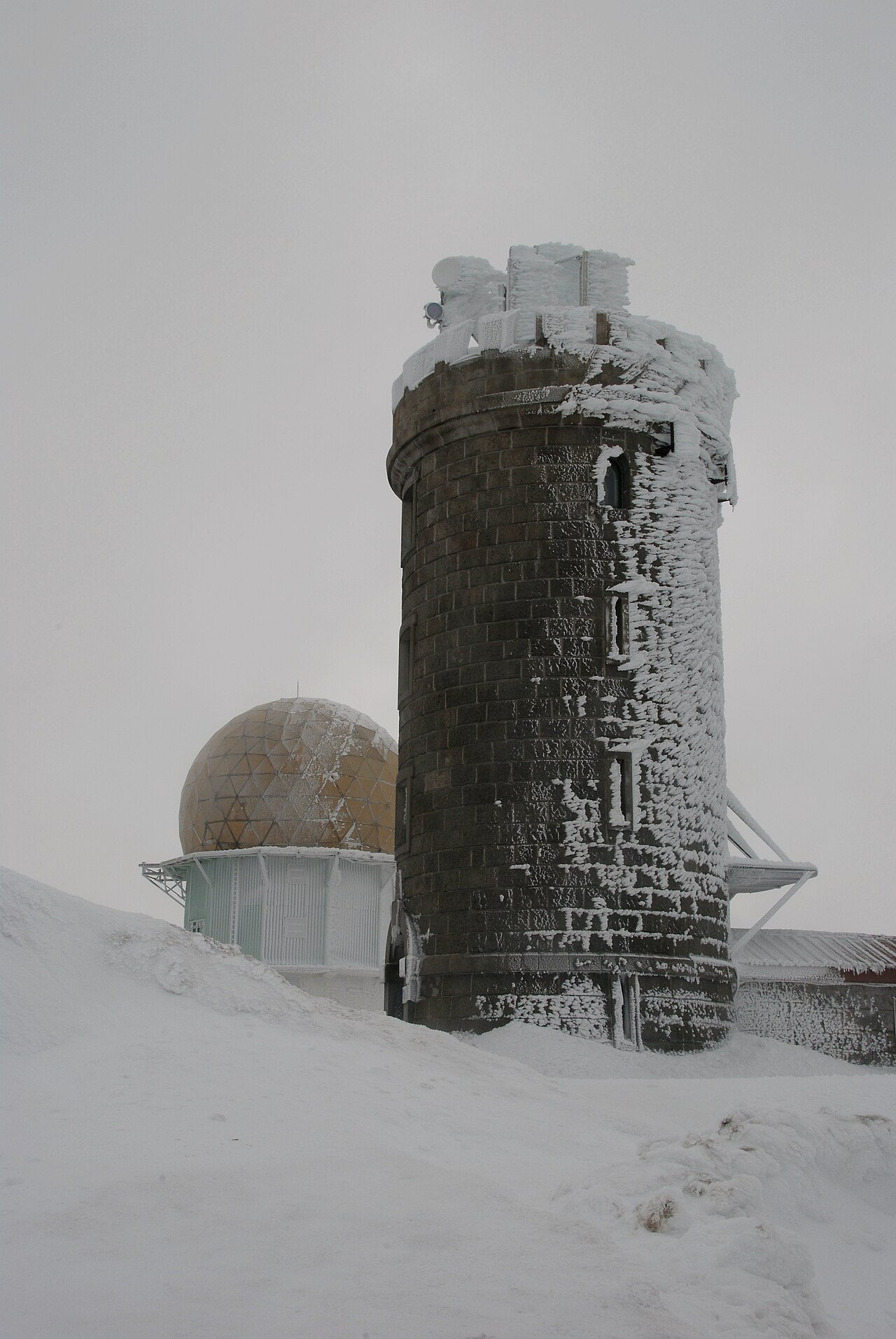
Queijo Serra da Estrela, the buttery sheep's-milk cheese of the Serra da Estrela mountains, holds EU protected designation of origin status — and tasting it in its own range, rather than off a supermarket shelf in Lisbon, is the single best argument for leaving the coast.
The answer, with local context
The designation is not a marketing phrase. Queijo Serra da Estrela is registered as a PDO in the European Union's register of geographical indications, and the specification has been amended through EU law — Commission Implementing Regulation (EU) No 562/2013 approved a minor amendment to it. A PDO ties the name to a defined area, so a cheese sold under it comes from that massif and no other.
Beyond the protected names, Portuguese cooking divides by coast and province in ways a single city will not show you. Bacalhau — salt-dried cod, rehydrated before cooking — is national rather than regional, and turns up baked, shredded with egg and potato, or in fritters. Caldo verde, the thin kale-and-potato broth, belongs to the Minho in the far north. The francesinha, a layered sandwich under sauce, is Porto's. Cataplana cooking, named for the hinged copper pan it is sealed in, is Algarve coast. Pastéis de nata, the custard tarts, are closest to their origin in Belém, on Lisbon's western riverfront.
Season matters more than it looks. IPMA's Lisbon normals put September at a mean high of 80°F (26.8°C) with 1.41 inches of rain, which is the tail of the grilling-outdoors half of the year; by the time the rain arrives in volume, the stews and the cheese come into their own. The Algarve's separate station at Faro exists because the south runs its own calendar.
The easily missed detail
Port and the city of Porto are not the same jurisdiction, and the distinction shows up on the UNESCO list. The inscribed property is the "Historic Centre of Oporto, Luiz I Bridge and Monastery of Serra do Pilar" — the bridge and the monastery on the Vila Nova de Gaia side are named in it, which is exactly where the port lodges sit. The wine's grapes, meanwhile, come from the separately inscribed Alto Douro Wine Region upriver.
A practical rhythm
- Morning — Pastelarias sell the custard tarts hot from the oven early; Belém's are made where the style originated.
- Midday — Bacalhau dishes are the standard working lunch, and the cheapest honest version is usually the one being eaten by people on their break.
- Evening — In the north, caldo verde arrives before the main course rather than as it; in the Algarve, a cataplana is sealed and brought to the table in its own pan.
What could complicate the plan
Queijo Serra da Estrela is a seasonal, raw-milk cheese with a short, soft window, and its PDO area is a mountain range well inland from either coast — it does not come to you. The regional spread is the other obstacle: caldo verde belongs to the Minho, the francesinha to Porto and cataplana cooking to the Algarve, which is several hundred miles of driving to eat four dishes properly rather than one city's worth of menus.
What to do next
If the Serra da Estrela detour appeals, the Portugal trip-planning question in this group deals with how to fit inland regions in without turning the holiday into a driving marathon.
Sources
- EUR-Lex, Official Journal of the European Union — Queijo Serra da Estrela PDO status and amendment regulation
- UNESCO World Heritage Centre — official name of the Porto property and the Alto Douro Wine Region
- Instituto Português do Mar e da Atmosfera (IPMA) — September normals for Lisbon
- US Centers for Disease Control and Prevention — Global Measles notice listing