Queenstown / New Zealand Trip planning
How many days should I spend in Queenstown if I want scenery rather than extreme sports?
The short answer
Four full days for Queenstown and its lake — five nights — plus a sixth day held in reserve if Milford Sound is on your list, because scenery here is weather-dependent and the reserve day is what turns a cancelled flight or a rained-out gorge into a story instead of a loss.
The answer, with local context
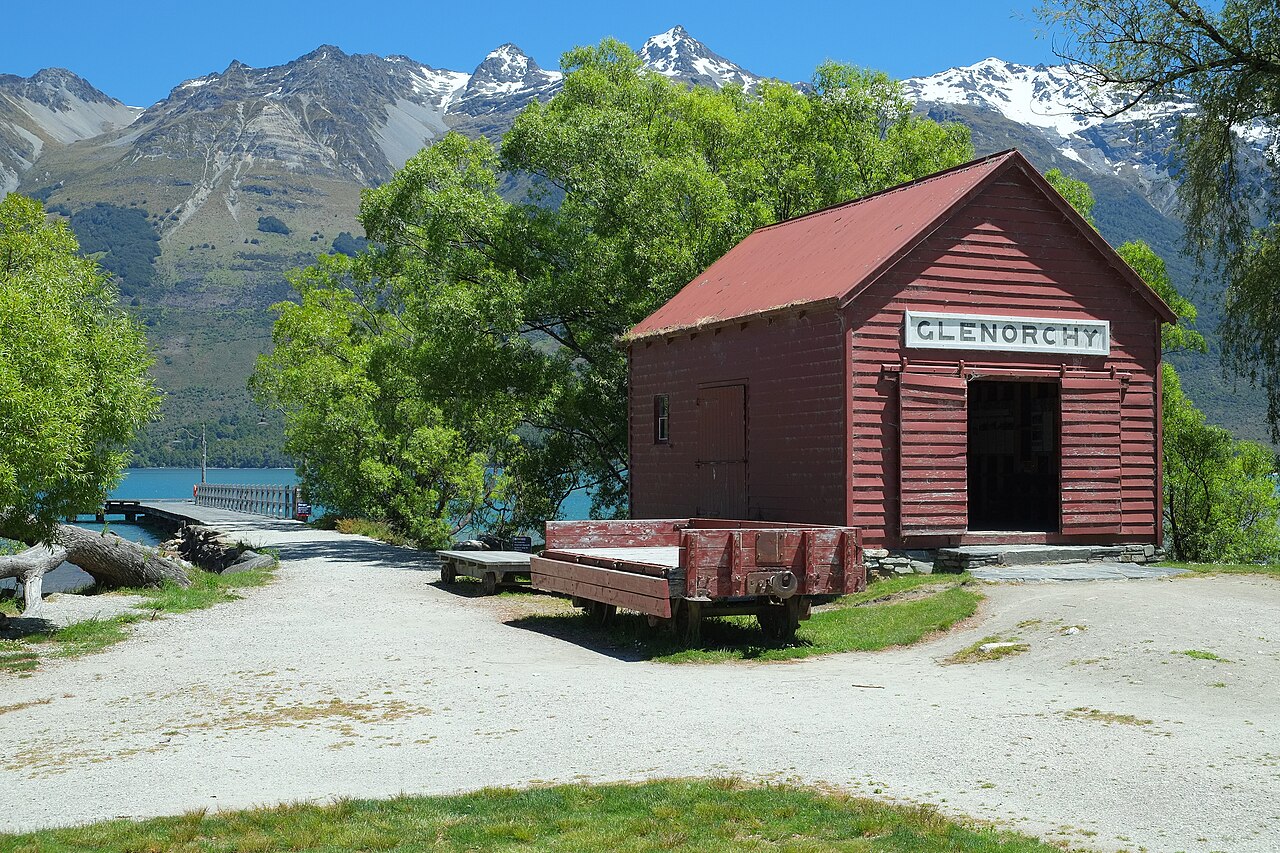
Count the days by the compass points, because the scenery runs in four directions. Day one belongs to the town itself: the lakefront and Queenstown Gardens, the gondola terrace for orientation, and an afternoon on the water — the town needs a full day to stop being a transit point and start being a place. Day two is the west shore: the 29-mile (46 km) road to Glenorchy, each bend opening a new composition of lake and mountain, with the Dart River flats and the road to Paradise filling the afternoon. Day three turns east: Arrowtown's gold-rush main street and Chinese settlement in the morning, the Gibbston Valley's vines and gorge lookouts after lunch, and the flat 5-mile (8 km) walking circuit of Lake Hayes — the mirror lake — if the evening is still.
Day four is the expedition, and it is here that the counting matters. Milford Sound lies about 180 miles (290 km) away by road; the Department of Conservation puts the return journey at some 373 miles (600 km) and 12 to 14 hours, and itself suggests Te Anau as the kinder base. The coach-cruise day swallows the whole of day four. The alternative is to buy the hours back: RealNZ's fly-cruise-fly day puts about 45 minutes of flying in place of each 4.5-hour road leg, crossing the Southern Alps twice, and completes the same two-hour cruise in a total of about five hours. The flight, though, is the weather's hostage in a way the coach is not — Fiordland receives around 21 feet (6.4 m) of rain a year, and low cloud cancels flying days outright. Hence the reserve day: schedule Milford early in the stay, and the spare day absorbs its failure.
With the reserve day unused, spend it north: the Crown Range road to Wānaka climbs to 3,530 feet (1,076 m) — the highest main road in New Zealand — and delivers a second lake, a quieter town and the drive itself as the day's scenery. Short stays can compress honestly: three full days cover the town, Glenorchy and Arrowtown-Gibbston, and miss either Milford or Wānaka. What cannot be compressed is the buffer logic — a two-day stay that gambles both days on Fiordland weather is not a scenery trip, it is a lottery ticket.
Picture the place
On the Glenorchy road at Bennett's Bluff the lake performs its party trick: the road swings around the bluff and the whole northern arm opens at once — Pig and Pigeon Islands mid-water, the Dart delta braiding silver at the head, and Mount Earnslaw's glacier standing over the valley like a held breath.
The easily missed detail
The Homer Tunnel is the Milford day's hidden hinge: 0.75 miles (1.2 km) of single-lane, unlined rock at about 3,100 feet (945 m) above sea level, run on traffic lights, where coaches queue in a cirque of avalanche paths. It is also the scenic summit of the road — the Cleddau Valley on the far side drops through some of the steepest, wettest country in New Zealand, and the fiord is sixteen kilometers beyond it.
A practical rhythm
- Morning — Put the exposed days first: Glenorchy and Milford on the earliest fine mornings of the stay, when the forecasts are freshest and the reserve day still stands behind them.
- Midday — Queenstown's scenery peaks twice a day, not once: the lake's color is strongest under a high sun, while the ranges take their best light in the hours after breakfast and before dusk. Build one viewpoint for each.
- Evening — Use the evenings for the flat, forgiving scenery — the Lake Hayes circuit, the gardens, the Frankton Arm track — which asks nothing of the weather and repays whatever light is left.
What could complicate the plan
Winter shortens everything: in June the sun sets around 5 p.m., the Milford Road's avalanche season runs from June into October, and the Crown Range can require chains — four days in winter hold less scenery than three in summer. The fly-cruise-fly arithmetic tempts travelers to drop the buffer day, which works exactly until the morning the cloud base sits on the lake. And the coach day to Milford, at 12 to 14 hours, lands travelers back in Queenstown too tired for the following morning — sequence it mid-stay, never the night before a departure.
What to do next
Book five nights, put Milford on day two or three by coach or plane, hold the last day uncommitted, and let the timing question in this group choose the season the plan deserves.
Sources
- Department of Conservation — the Queenstown to Milford Sound return road journey of about 600 km and 12 to 14 hours, and its advice to consider Te Anau as a base
- NZ Transport Agency Waka Kotahi — the Milford Road (State Highway 94), its avalanche-season closures between June and October, and the Crown Range as the country's highest main road
- RealNZ — the fly-cruise-fly alternative: about 45 minutes' flying each way against 4.5 hours by road, and the Homer Tunnel's single-lane, traffic-light operation